 Sign In










Can you remember the first time you cold-called someone?
Just thinking about it makes my palms sweaty.
My heart was pounding out of my chest as I dialed.
And I tried to think ahead to how I would introduce myself and make a connection, but the nerves just clouded my mind.
Each ring of the phone just made the anticipation grow.
And then:
*Beep*
I got sent to voicemail.
That first experience sticks with anyone who’s ever cold-called someone, and in some ways, it creates an aversion to any type of cold-messaging.
To be fair, cold outreach is a difficult task to master.
You probably don’t necessarily relish getting messages from people you don’t know, but that doesn’t mean it’s not effective.
And there are methods that allow you to cold-message effectively in ways that bring in new business or create opportunities.
I’m talking about LinkedIn Messaging, which has been proven to be three times more effective than email.
I want to show you how you can use this powerful tool to reach anyone who has a LinkedIn account.
I believe that once you know how to do this, you’ll never fear cold-messaging ever again.
Let’s start by introducing you to this tool and how much it can help your business.
Why use LinkedIn Messaging?
LinkedIn currently boasts more than 500 million users.
Want to know a big secret?
You can send a direct message to every single one of them.
So needless to say, LinkedIn’s messaging platform has taken the business world by storm in recent years.
InMail’s response rate averages three times higher than a normal email, which means the potential for networking is incredibly high.
And that’s vital because 80% of LinkedIn members consider networking to be a large part of their professional success.
It’s a proven site for lead generation.
And almost all of the sales teams of B2B companies rely on LinkedIn InMail and messaging to generate leads.
It’s the perfect platform for sharing content, creating connections, and closing business deals.
And LinkedIn’s Smarter Messaging is designed to help you do exactly that.
The overall goal of LinkedIn is to help you build business relationships with other users.
When you do that, your growth opportunities (and hopefully your revenue) will expand exponentially.
Which means your next sale, job, or project is just around the corner on LinkedIn.
But don’t take my word for it.
Digital marketers everywhere are praising the virtues of LinkedIn’s messaging capabilities:
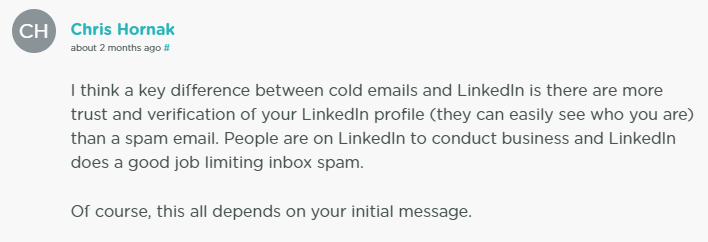
Chris reported a 20% response rate and high conversions when using LinkedIn for cold messaging as well.
Do you see why this platform can be so powerful for you?
All you need to do is find the right person to connect with.
And LinkedIn allows you to search for individuals with an incredible amount of precision.
So let’s get started on how you can start messaging others on LinkedIn.
To kick things off, I want to familiarize you with what your LinkedIn messaging area looks like:
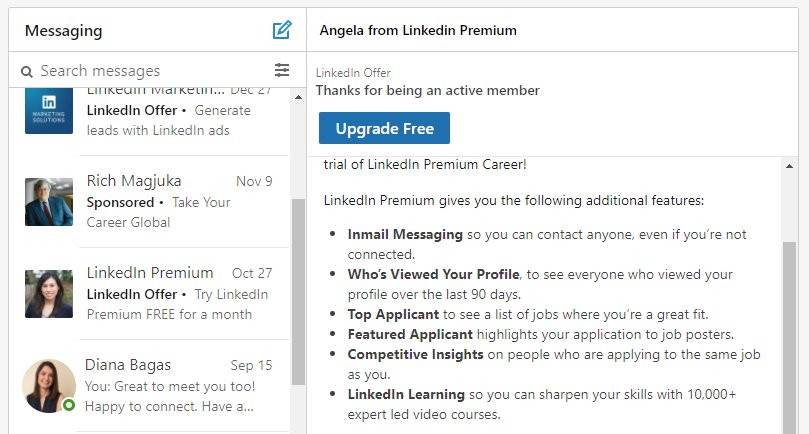
It looks pretty basic, right?
I would imagine it’s similar to your email account, and that’s the beauty of it.
It’s designed to be easy enough for anyone to jump in and use effectively.
And if you want upgraded features, like the ability to send InMail to people who aren’t a connection, you’ll need to upgrade to LinkedIn’s Premium services.
Activating it is easy, all you have to do is select a plan.
I let mine lapse, so I was actually offered a free month.
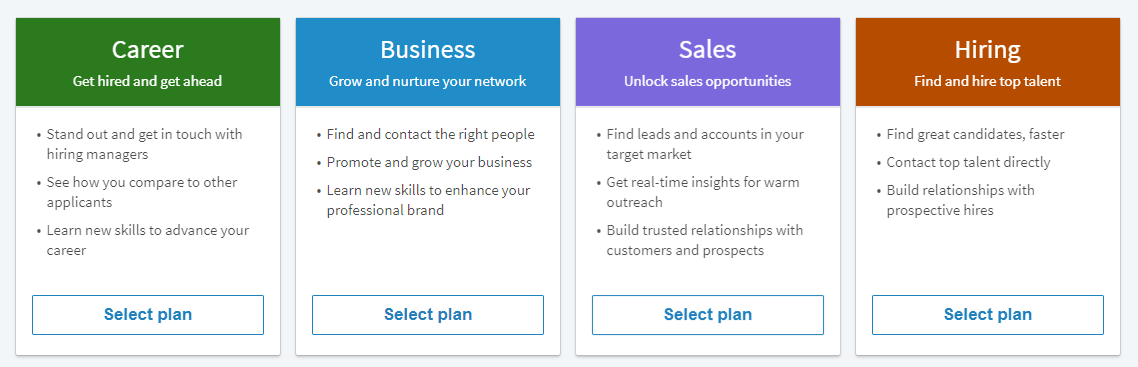
But normally, you can sign up for as low as $79.99 per month, and it’s totally worth it.
Go ahead and activate the plan you’ve selected.
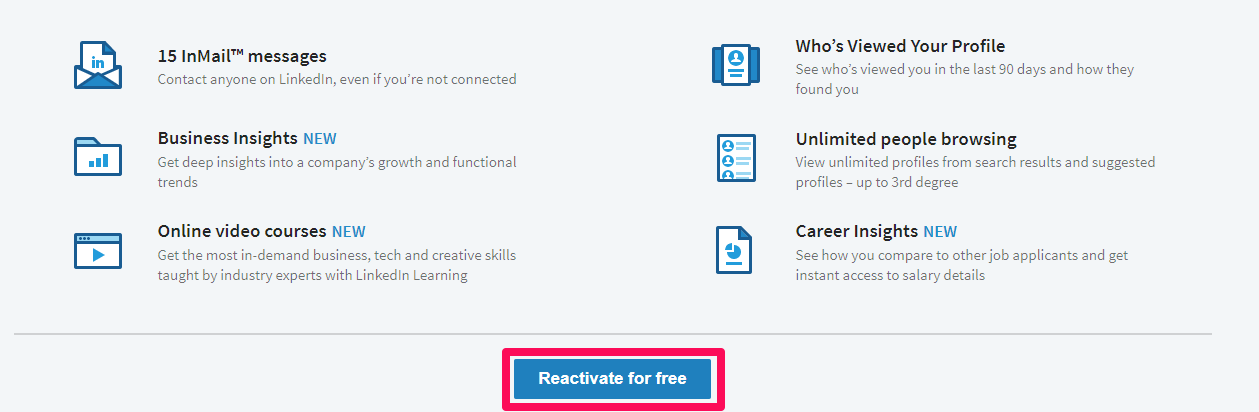
Input your payment information and start using your new features.
Now that you’re ready to message, let’s start looking at ways to find and message the right people.
To get started, we’ll look at the anatomy of a message that will help you connect.
Then, I’ll show you how you can start finding anyone who has a LinkedIn profile.
The anatomy of an impactful cold message
Effective cold messages aren’t created in a vacuum.
You need to take a carefully calculated approach in order to weave a message that warrants a response.
Most marketers who have spent time sending out cold messages agree on some rather important traits, such as:
- A narrow target audience
- Short and simple
- Fosters connection
- Positive
- Testable
But what does that look like in application?
Well, here’s a perfect example of a cold message that not only engaged its target but also landed the sender a job.
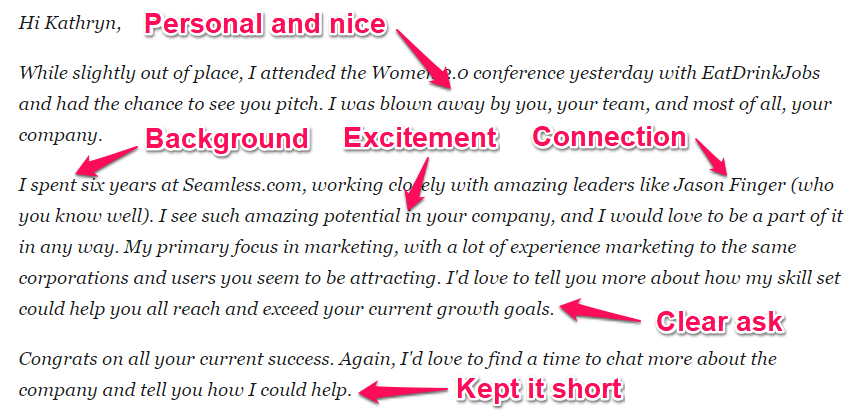
Notice all of the elements I’ve highlighted.
It’s personal, gives context, shows genuine interest, and isn’t longer than three paragraphs.
More importantly, the intent is clear.
The writer wants to find a way to help the company “reach and exceed” its current growth goals.
How do you think this compares to your cold messages?
Are you clear, concise, and engaging?
And this approach isn’t just one I’ve made up.
Here’s another example from Dude Robe founder Howie Busch:
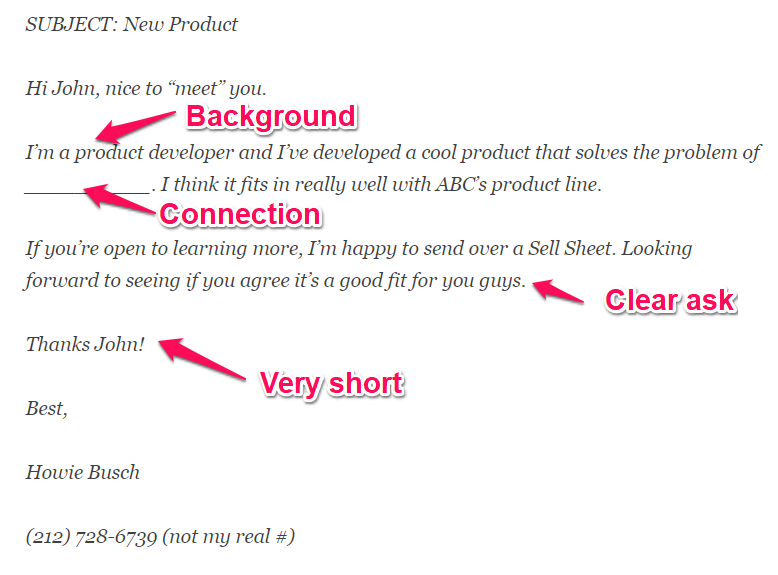
This message has the exact same elements as the first example.
Want to know how well it performed?
Busch got a staggering 75% reply rate.
He kept it short and to the point, and created an interest in his audience that prompted curiosity and action.
So I hope you see that messaging matters, even when it’s on a cold lead.
Take all of the elements I’ve shared here into account before you start sending out your cold LinkedIn messages.
How do you create these connections on LinkedIn?
I want to show you LinkedIn’s messaging process now, which will allow you to send a message to anyone who has a profile.
And first up is a group of people you already know.
Message your connections
Some cold campaigns don’t have to start with a cold message.
In fact, with LinkedIn, many of your “cold” messages shouldn’t be all that cold when starting out.
Hopefully, you have an established group of contacts on LinkedIn that you can reach out to so you can get a little bit of momentum.
And you can leverage your existing connections to build inroads into their networks.
That is exactly what networking is in real life.
It’s an introduction from a mutual acquaintance, a handshake, and a conversation.
So this approach means messaging your first-degree connections on LinkedIn first.
Thankfully, messaging connections is simple. It doesn’t require InMail, and it allows you to tap into your network with ease.
The easiest way to send a message to a connection is to simply open up the messaging tab on your feed.

You’ll be sent to the messaging page we looked at earlier.
From there, you’ll want to compose a new message.
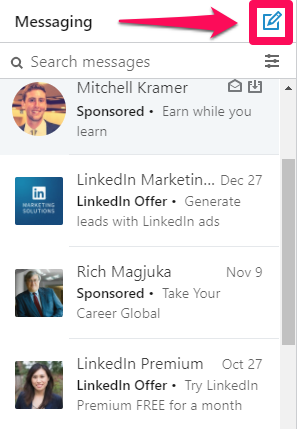
Add the contact you want to reach out to in the address bar.
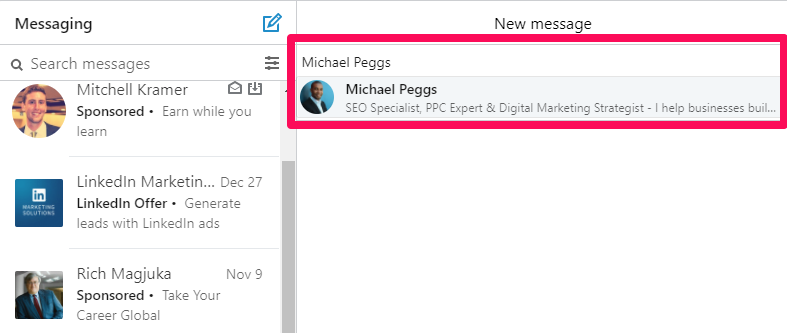
Type in your message and then send.
It’s quick, easy, and can help you build a new connection or gain momentum for your campaign.
But that’s not the only way to send a message.
In fact, I don’t really think it’s the best way, and you’ll see why later.
To use the second method, simply go to the profile of the individual you want to connect with.
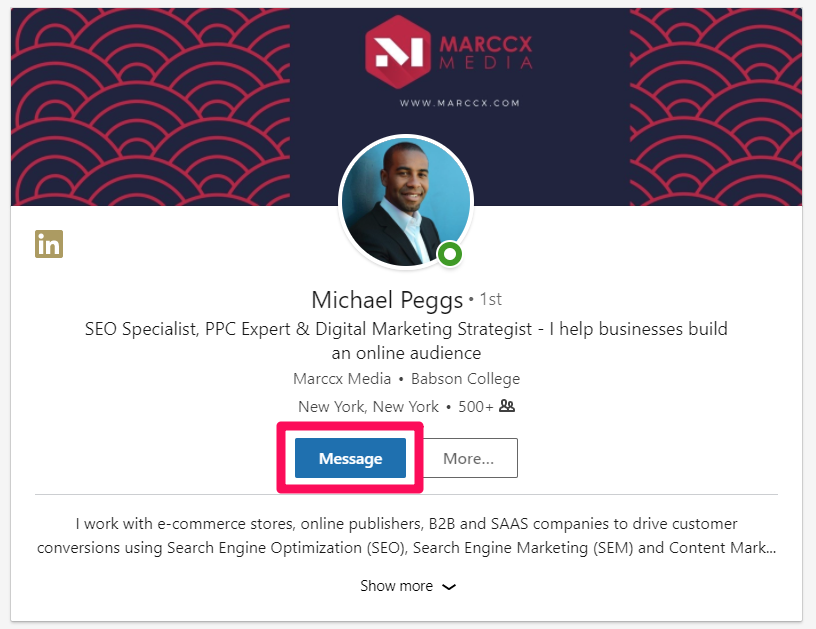
As you can see, one of the very first elements that stands out is the blue “Message” button.
When you click it, a pop-up messenger box will appear, and you can send your message accordingly.
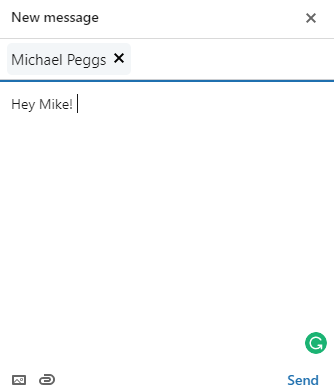
Type in your message and hit send.
Now, all you have to do is wait for your response.
Like I mentioned earlier, you can use this method to collaborate, get feedback, or to ask for an introduction to a second-degree connection.
However you use it, just make sure to follow the same procedure on your actual message.
You’ll be one step closer to building your network and warming up a potentially cold outreach.
And that brings me to the second group of LinkedIn users: second-degree connections.
Messaging your second-degree connections
A second-degree connection on LinkedIn means both parties are direct connections of the same person.
In plainer terms, this is when you have a mutual acquaintance or connection with someone who acts as the bridge.
A “friend of a friend” if you will.
Which means you’ve finally reached the point where your cold outreach actually starts.
If you’ve already asked for an introduction, that’s great.
But if you don’t have time for your mutual connection to help create a link, it’s possible to send a message directly.
The easiest way to message these types of connections is with InMail.
Start by going to your first-degree connection’s profile.
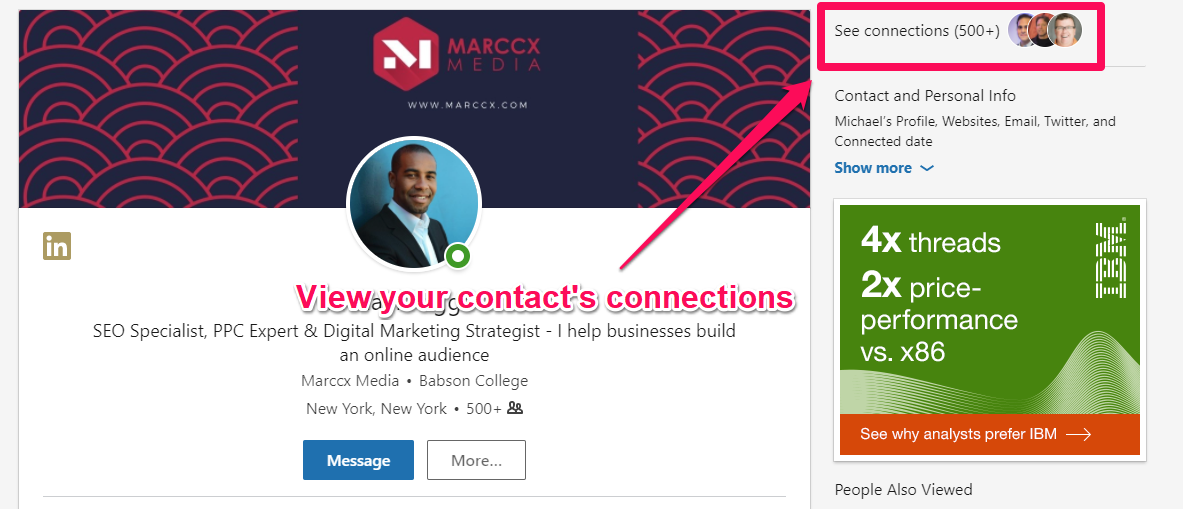
Notice in the top right corner that you can opt to see their connections.
This is where you’ll find all of the second-degree connections you share with this person.
If you have a large group of first-degree connections on LinkedIn, you could potentially have tens of thousands of second-degree connections.
Go ahead and click the link to see the full list of second-degree connections.
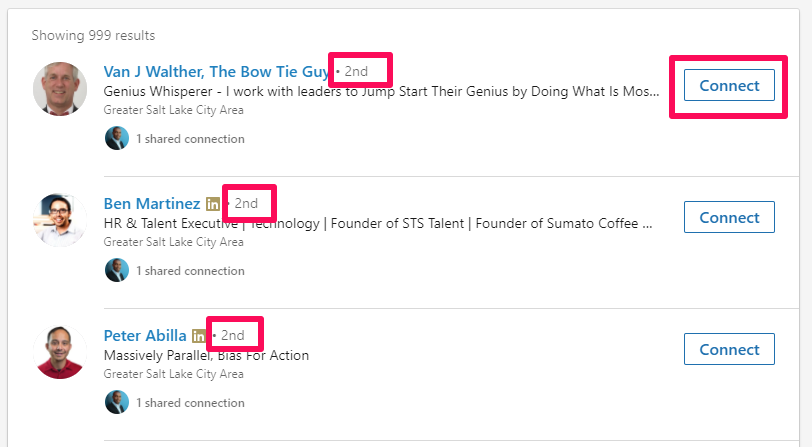
Now, you’re given page upon page of potential connections that you can connect with.
If you want to become a first-degree connection, simply hit the connect button next to their name.
However, in most cases, you’ll likely want to opt for a simple cold message.
Find the contact you want to message and click on their profile.
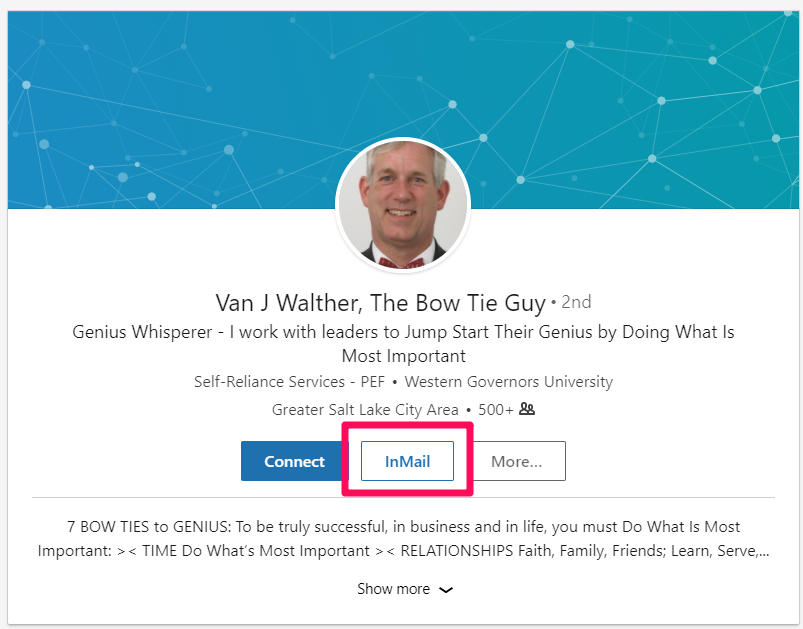
This page looks a lot different, doesn’t it?
Instead of being able to just fire up your messaging, you’ll have to send an InMail.
Depending on which type of premium service you’re using, you’ll only be able to send a certain amount of InMail.
That means finding the right connection to attempt is an important part of your considerations.
Once you find the right contact, click the InMail tab to pull up the messaging tab.
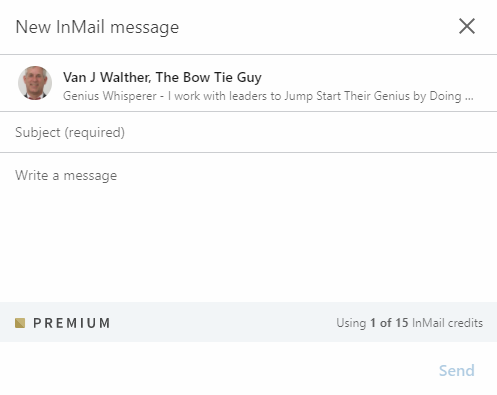
Type in your message and then send it.
Now that you’ve learned how to find and message first and second-degree connections, you should have a massive pool of potential connections to make.
But there’s still one more step you can take before you’re close to exhausting your LinkedIn search.
Messaging your third-degree connections
Third-degree connections are people who are connected to your second-degree connections.
These are individuals who are just one link further away from your active network.
While they might not be the most attractive potential prospects, this is usually where the cold messaging has its most significant test on LinkedIn.
And because LinkedIn is constantly changing their platform, the process to connect with a third-degree connection is a little tougher too.
You used to be able to view a second-degree connection’s pool of contacts to find a mutual link, much like I showed you in the previous section.
But recent updates have changed that.
The new process requires a manual search for people, and you won’t be able to know where your potential connection comes from.
First, search for People in the search bar at the top of the page.
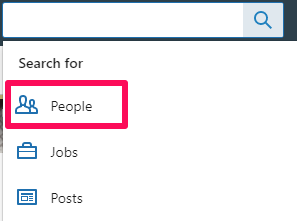
Once you click on this, you’ll see a page that has a list of first and second-degree connections.
To change it to third-degree, you’ll need to click on the “Connections” filter and select the “3rd+” option.
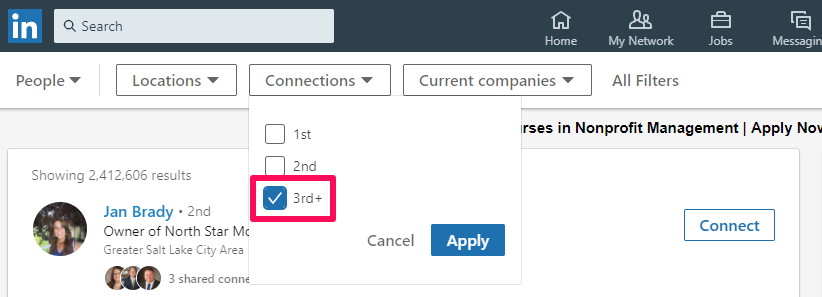
This sets the search results to only give you third-degree connections.
And you’ll be a little overwhelmed by the extensive list of results.
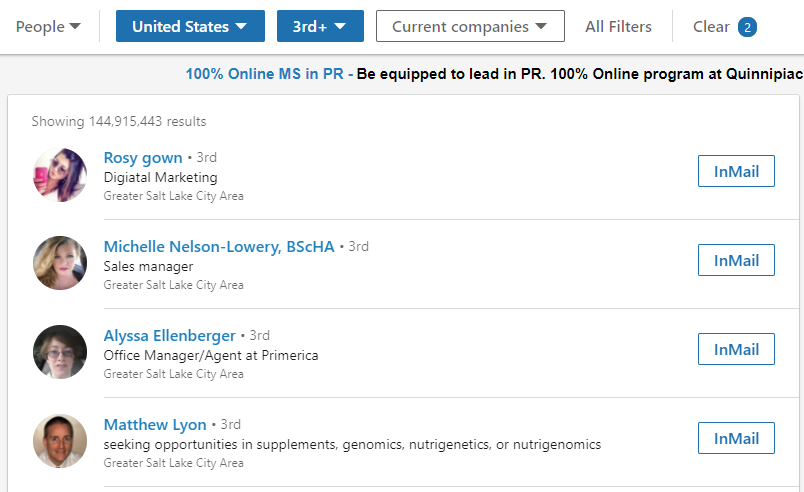
The biggest issue here is that it doesn’t tell you who the mutual connection is through, which makes it harder to spin your message in a way that allows you to connect.
You can send an InMail message like you did with your second-degree connection, but without knowing more about your prospect, it’s just a shot in the dark.
So like I said, the true test of your cold message happens at this level.
And there is still one more group of people that you can reach out to with this method that might give you better results.
There are individuals on LinkedIn that you probably don’t have any mutual connections to that can still provide value to your business.
How do you reach those people?
That’s what I want to look at next.
Messaging individuals with no connections
If there’s an individual on LinkedIn that you have no feasible connections to, they’ll still appear as a third-degree connection, but there’s an easier way to find them.
To connect with such an individual, provided they have a LinkedIn profile, you’ll have to input a direct search of their name.
Let’s say, just for example, that you have an idea to pitch to Conan O’Brien.
How would you find him?
Simply type in his name on the search bar.
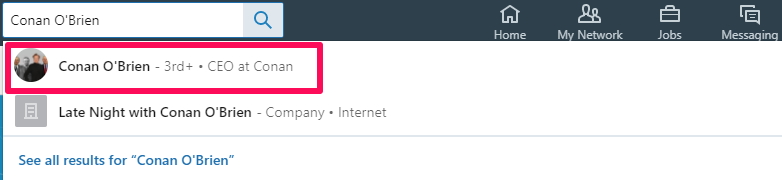
Once you find him in the search, you can click through to view his profile.
Now, you have a few options.
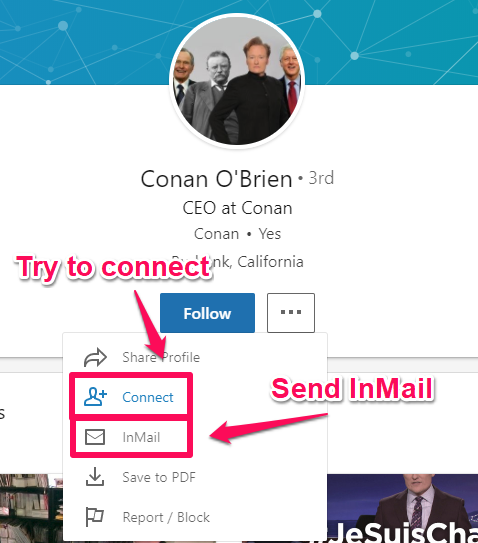
Your first option is to try to connect.
I don’t recommend this though because, when you’re pitching a complete stranger, they’re more likely to ignore this type of message.
And if they disregard your invitation to connect, your message gets deleted with it.
So personally, I recommend you save your InMail credits for this type of targeted approach.
Remember that a specific audience is an important part of creating a message that yields results.
While these might be a little harder to land, you’re still able to find and connect with anyone who has a LinkedIn simply by knowing their name.
And that means you should now be able to contact literally anyone on LinkedIn, cold or hot.
But that doesn’t mean you’re done with potential avenues for connection.
There’s one more way to reach influencers and try to improve your cold outreach.
Messaging LinkedIn Group members
Last but not least, a method I like to use for LinkedIn cold outreach is to find influential and active Group members.
This method is also great because it doesn’t require InMail, which means you don’t need a premium account to use it.
Anyone can join groups and send direct messages to other group members.
Which makes this an ideal way to reach out to influencers and cold prospects.
Here’s how to find and message individuals who are in your Groups.
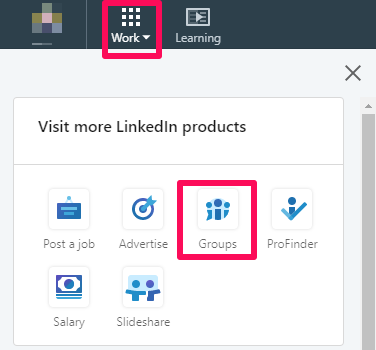
Start by clicking the “Work” tab on your menu and then clicking the “Groups” option.
From here, you’ll be taken to your Groups homepage.
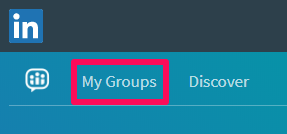
You’ll want to click the “My Groups” tab to get a better breakdown for our purposes.
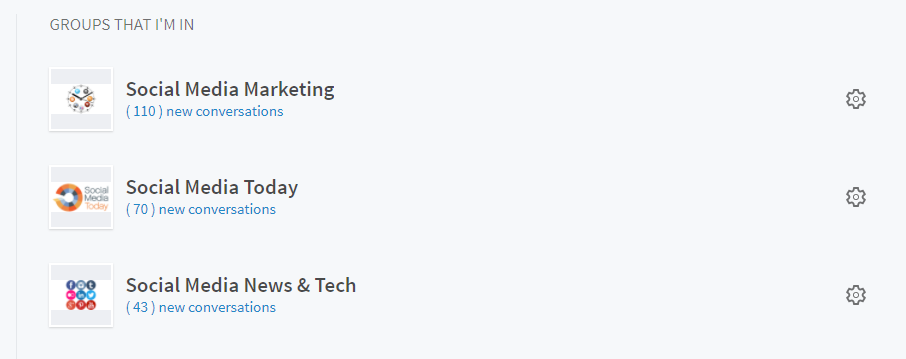
Once you do, select a group that matches the demographics of your target audience.
Find the summary of the Group on the right side of the page.
It will look like this:
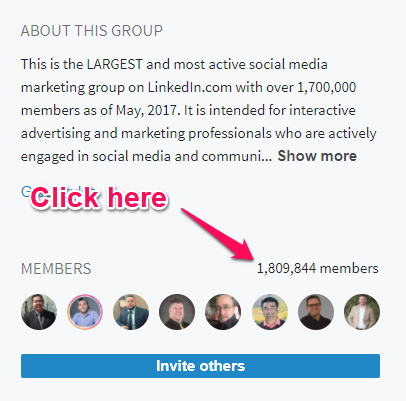
As you can see, this Group has 1.8 million members.
You can message every single one of them too.
Click on the link to see a full list of everyone in the Group, then find the connection you want to message.
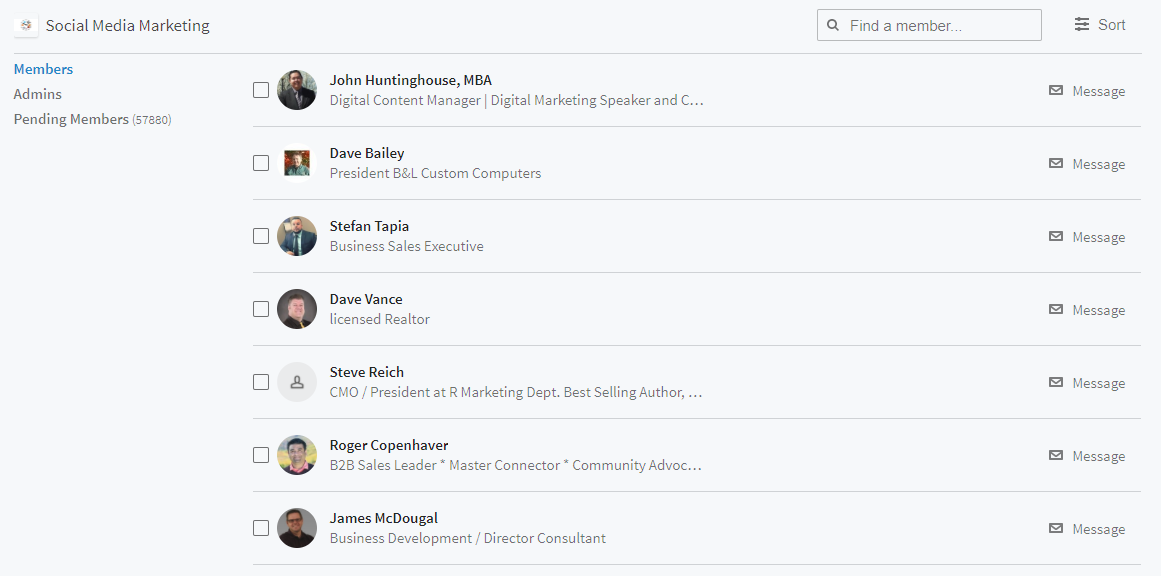
In these instances, I typically recommend doing a bit of research before you pitch.
Contacting active members will be way more profitable than simply blasting a message to everyone in the Group.
You can click on the profile to learn a little more about your potential lead.
Then once you’ve made a decision, click the message icon.
You’ll be taken back to the LinkedIn messenger.
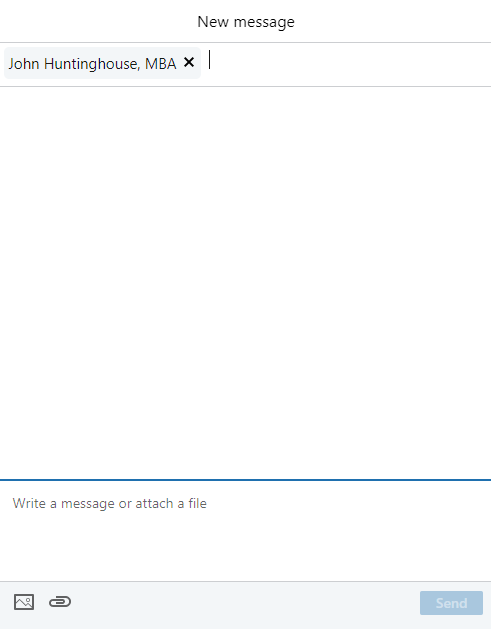
Which means you’ve now just expanded your free pool of potential prospects by however many individuals are in the Group.
In this case, you would now have 1.8 million potential cold prospects to message.
And that means you’ll need some help sending all of those messages.
Save time with automation
Thankfully, if you build up a massive list of prospects to send a cold message to, it won’t take you an insane amount of hours to send them all your message.
That’s because there are tools like the LinkedIn automation tool Recruiter Nerd.
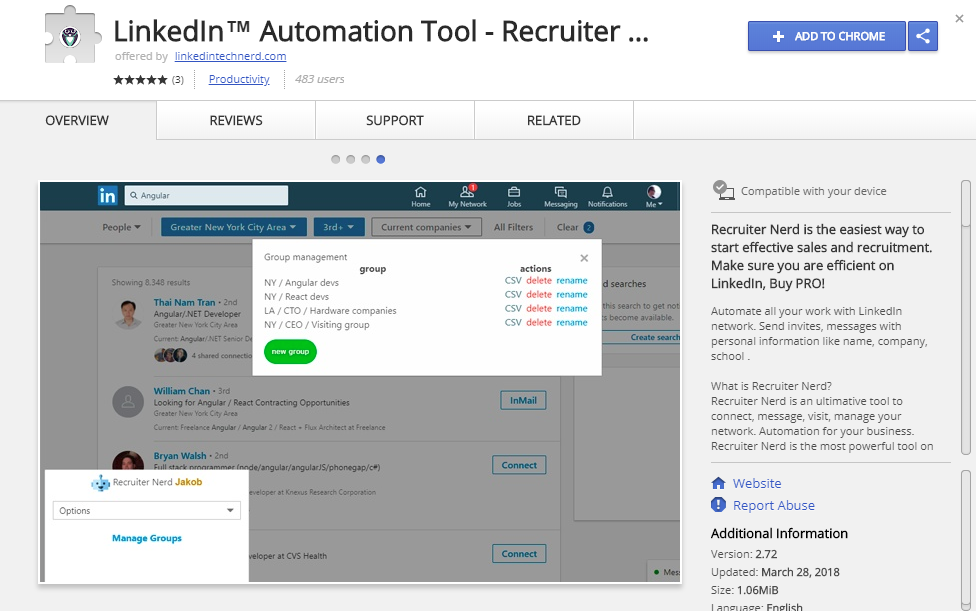
It’s a Google Chrome plugin that allows you to send mass invites and messages with ease.
It even integrates with LinkedIn’s Sales Navigator tool to help you quickly analyze and contact potential leads.
To use it, simply add it to your Chrome extensions.
Then, you’ll be able to add different leads to a list of other similar prospects.
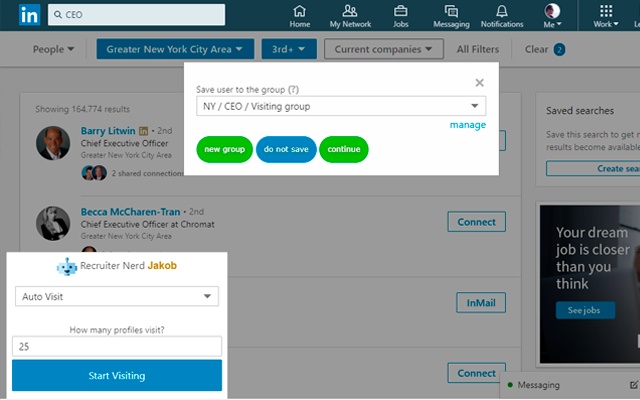
Once you do this, you can send a mass message to each of these leads in one simple window.
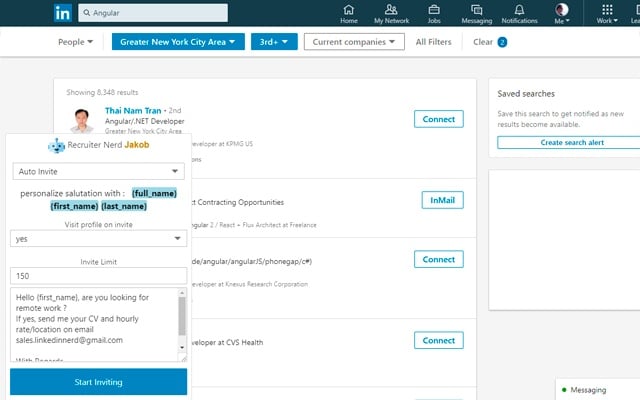
Once you’ve sent it off, all you have to do is wait for a reply.
It’s a simple and convenient tool to help you increase your sales and broaden your social network with personalized cold messages.
Conclusion
Hopefully, by now, your palms are a little less sweaty when you think about sending a cold message.
Because I’ve shown you how to find anyone on LinkedIn and send them a personalized message that has a great chance of being read.
Start with your first-degree contacts. They know you and can foster a connection with colder leads.
If you can’t do that, move on to your second-degree connections. While they’re still a cold lead, your mutual connection is a great starting point for building a professional relationship.
Once you’ve exhausted your second-degree connections, move on to the third-degree. There are millions of potential leads just waiting for you to find them here.
And if you have a specific lead you want to contact, reach out personally with an InMail.
If you want to find leads from a specific industry, consider finding active Group members who would be interested in what you have to say.
With Groups, you won’t have to pay for InMail, and your mutual interest will foster connection.
And finally, don’t neglect automation techniques. They will save you time and ultimately help you make money on your cold-messaging efforts.
Your success with cold messaging on LinkedIn depends on the effort you put into it.
But thankfully, the odds are in your favor.
And you have millions of options to choose from.
What methods have you used when prospecting leads on LinkedIn?