
 Sign In













As an entrepreneur, you’ll reach several milestones throughout your career and lifetime.
One of these milestones is hiring your first employee.
Congratulations!
This is a good thing.
It’s one of the first steps of expanding your business.
As much as I know you would like to, you can’t do it all by yourself.
If you’re on the fence about taking the step towards hiring your first employee, don’t worry. I’ll give you some tips.
Before I tell you the signs that it’s time to hire help, I’ll let you know when you shouldn’t hire someone.
Hiring help too early can be an issue.
It could put your business at risk for potential cash flow problems.
Running low on cash is one of the top reasons startup companies fail.
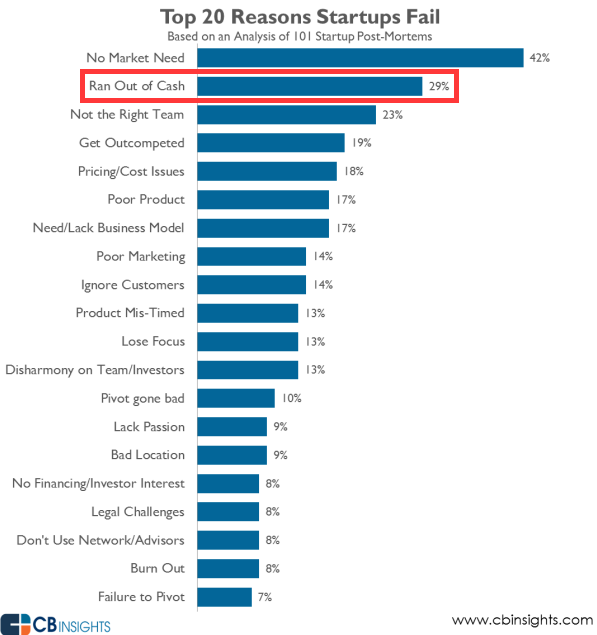
As you can see from the graph, putting yourself in a limited cash flow situation can be disastrous.
Don’t hire someone if you’re desperate.
If you’re stressed out, don’t just irrationally hire someone.
Desperate decisions are rarely good ones. Make sure you think things through before making a rash decision.
Don’t hire help if you don’t know exactly what this new employee will be doing.
It’s easy to tell yourself, “OK, I’m in business. Time to start hiring people.”
That’s the wrong attitude.
Hiring without a plan is a mistake.
Don’t automatically assume you’re ready to hire your first employee.
Do not hire the first person who walks through your door.
You’re going to make mistakes as an entrepreneur, and you’ll learn from these mistakes.
Hiring the first person who applies should not be one of these mistakes.
Take your time and hire the right person.
Consider hiring a co-founder.

Based on these numbers, you’ll have a greater chance of success with a co-founder.
Look for someone who:
- Has similar values
- Understands your vision
- Is passionate
- Has a high level of emotional intelligence
- Is flexible and honest
So now that I’ve covered when you shouldn’t hire help, I’ll let you know when it’s time.
These are the top 13 red flags that it’s time to hire your first employee.
1. You’re turning down work
Turning down work is a bad look for startup companies.
It can have a detrimental snowball effect on your business.
Here’s why.
Think about your customer acquisition cost.
A new customer wants to give you business, but you say no.
Your customer acquisition cost will skyrocket.
You spent all of this time, money, and effort to acquire a customer just to turn them away.
It’s a recipe for failure.
You want to acquire new customers and use relationship marketing techniques to connect with them.
Acquiring customers is the hard part.
It’s much easier and much less expensive to keep them.
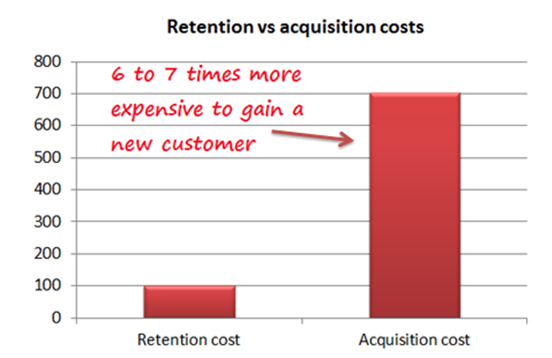
Look at the difference between your acquisition cost and customer retention cost.
You won’t even have a chance to retain customers if you turn them away from the start.
These customers will go to your competitors and form relationships with them instead of you.
Feeding your competition new customers will put you out of business.
You can’t afford to lose any customers, especially as a startup.
While there may be some appropriate times to turn customers away, this certainly is not one of them.
Being too understaffed to handle the workload is unacceptable.
If you’re turning away customers, it’s a major red flag.
It’s time to start looking for your first employee.
2. You’ve identified new sources of potential revenue streams
Let’s say you found a new way to generate revenue.
It could be a product extension, new territory, better service, or anything else.
But you can’t tap into that new market yet.
Why?
You need help.
It may not happen right away, but adding members to your team can increase your salary.
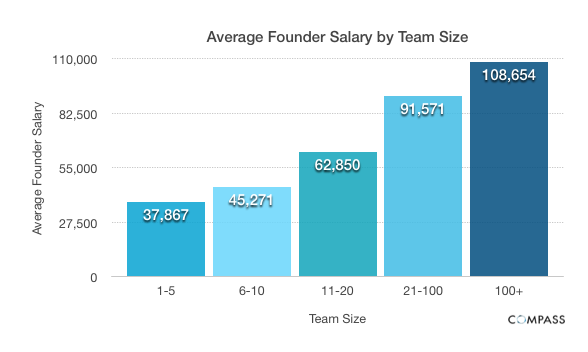
Look at these numbers.
Now, you’re probably a long way from eclipsing 100 employees, and you may never want to reach that.
But look at the average pay jumps between 1-5, 6-10, and 11+ employees.
Based on this graph, you could increase your salary by 60% if you add 10 employees.
What do you think contributes to this?
Hiring someone can help you reach the new potential revenue sources that you’ve identified.
If you’re alone, you have limited resources and no room to grow.
You need help so you can focus on other things like increasing your search traffic.
Enhancing your online presence is a great way to generate new revenue streams.
You won’t have time to accomplish this if you’re too busy with the mundane tasks of your day-to-day operations.
If you’ve identified new sources of income but can’t access that market because of staffing limitations, it’s a red flag.
Hire help.
3. Your customers are complaining
I’ve explained before that amazing customer service can help you double your revenue.
But poor customer service can do the opposite.
Customer complaints are terrible, but consider yourself lucky if you’re getting them.
Why?
If your customers are complaining, they haven’t left yet.
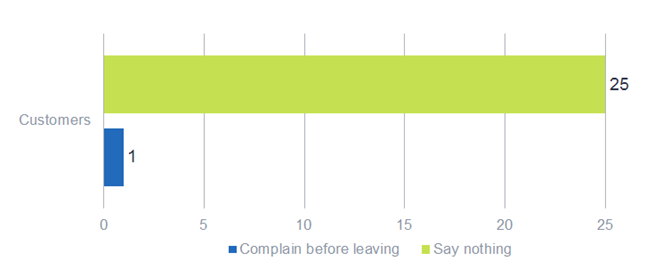
Out of 26 unhappy customers, only 1 will complain.
What about the other 25?
They just leave without saying a word.
So there’s a silver lining if you’re hearing customer complaints.
You still have a chance to address these complaints and keep their business.
But you need to act quickly.
There are a variety of reasons a customer could be upset.
Here are some examples:
- Bad-quality product
- Poor customer service
- Problems with your website
- Long wait times
There are dozens of other reasons, but I chose these four because they could all be fixed if you hire help.
If you can’t address these complaints, then your customers will leave.
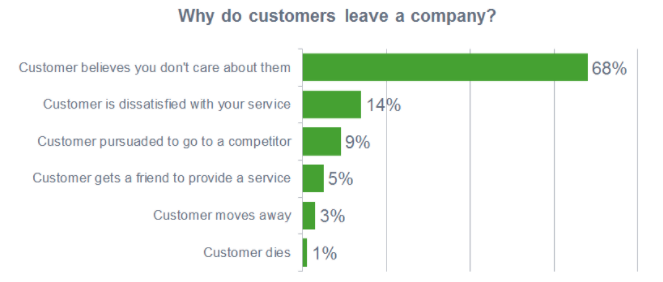
Your customers will think you don’t care about them if you don’t take their complaints seriously.
When this happens, there’s a good chance your customer will leave.
Identify your customers’ complaints.
First, be thankful that they are voicing their opinions instead of just leaving.
Next, ask yourself if the problem could be solved if you hire an employee to help.
4. The quality of your products and services are suffering
As we just mentioned, poor quality could be a potential complaint from your customers.
What kind of quality assurance policies do you have in place?
Poor products will end up costing you money.
- You could lose the customer.
- It will cost you more money to rectify the situation.
For example, let’s say you’re selling a physical product.
If you’re doing this alone, it’s safe to say that you’re not mass producing products, unless you’ve outsourced the manufacturing.
But for the sake of this example, we’ll say that you’re making your product by hand.
Here’s what a typical quality control process should look like.
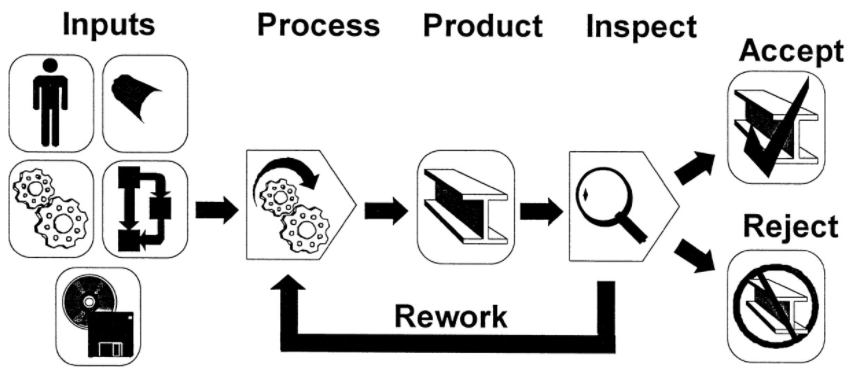
If you’re doing each step by yourself, you may overlook certain aspects of this process.
Are you going to reject your own work?
Probably not.
This same process can be applied to Internet businesses, websites, and e-commerce stores.
If you build everything alone, you may be blind to certain mistakes that cause the quality of your operation to suffer.
Ultimately, the customer is the victim of your mistakes.
Hiring help is another set of eyes and ears.
You can dramatically improve the quality of your products and services if you hire an employee.
5. You don’t have time to do daily financials, bookkeeping, and paperwork
If you’re dealing with customers all day during your regular business hours, when do you have time to do bookkeeping?
You can’t fall behind on your paperwork.
There should be a certain amount of time dedicated each day to your financials and other standard office tasks.
But as your business grows, so will these responsibilities.
If you don’t have enough time for office work, it’s a red flag.
Hire someone who can help you.
You can also consider getting new software to help with your business needs.
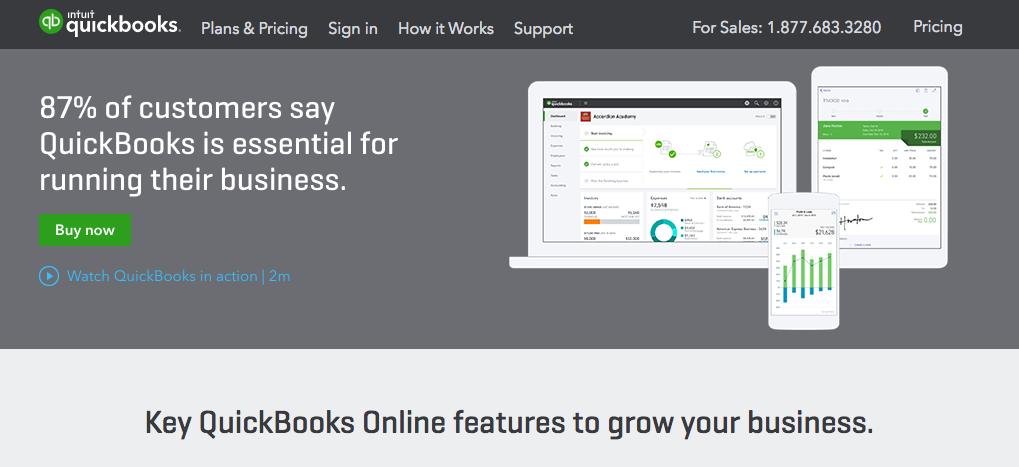
Quickbooks is a great place to start.
Their software can help you stay organized.
You can also manage your cash flow and invoice directly from their platform.
Their automation makes it easy for you to handle all of your daily accounting and financials.
Other companies with similar software include:
All of these options have more or less the same features and benefits.
While software can help make things run easier for your office tasks, it’s a temporary solution.
Sure, it will save you some time – but it still requires plenty of attention.
If you don’t have enough hours in the day to do these things, even with software, it’s a sign that you need to hire an employee.
6. You need someone with a specific skillset
As an entrepreneur, you’re probably somewhat of a jack-of-all-trades.
But there’s nothing wrong with bringing someone onto your team who specializes in specific skills.
For example, let’s say you’re great at marketing, but you don’t know how to use SEO.
Hire an SEO expert.
Here’s how Google determines where your website will rank in search results.

Are you capable of improving on these aspects?
Do you have time?
Learning a new skill set is great, but it may not be the most efficient use of your time.
Instead, hire an expert who knows how to do all of the things listed on this graph.
SEO is just one example.
If there are other parts of your business that are lacking, it’s OK to admit you have some weaknesses.
Don’t let your business suffer because you’re too proud to hire an expert.
7. You can’t find any time for a break or a vacation
Billionaire Mark Cuban proudly explains that he didn’t take a vacation for seven years when he started his first business.
It says a lot about his motivation and work ethic.
You can’t argue with results.
With that said, this doesn’t need to be you.
There’s nothing wrong with taking time off or getting away, even if it’s only for a weekend or a few days.
Taking a vacation can improve your productivity.
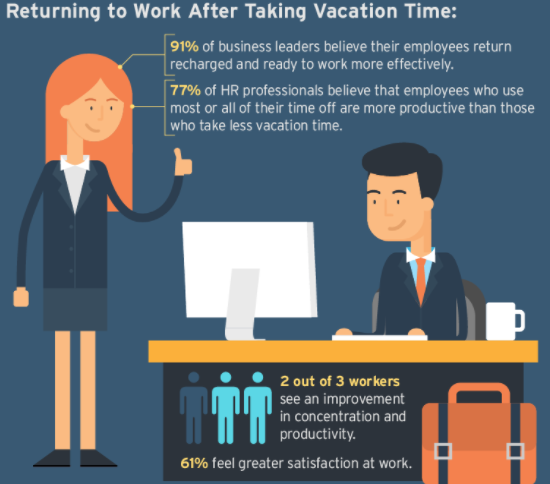
Don’t underestimate the importance of clearing your mind.
You work hard.
You deserve time off.
If you don’t have any employees, then you’ll never be able to take a vacation.
It’s not healthy.
What’s the point of working so hard if you never have time to enjoy yourself?
Sleep has the number one impact on our happiness.
Getting up early every morning to run your company can take a toll on your mind.
Disconnecting and getting away can clear your head and improve your sleep.
For those of you in desperate need of a vacation, it may be time to hire an employee.
8. Your company isn’t growing
If your daily operations are preventing you from creating and implementing a growth strategy, it’s a red flag.
Hiring an employee can help free up some of your time to focus on growth.
How long has your company been in business?
How much have you grown since inception?
Are you meeting your projected forecasts?
Let’s take a look at the average growth forecasts for startup companies.

Take a glance at these numbers.
You should be growing at a drastic rate in your first few years of business.
If you can’t project high growth in the upcoming year, stop and identify the cause of this plateau or decline.
Would hiring an employee help?
Part of your growth process involves some of the red flags that we discussed earlier.
If you’re turning away customers, your company won’t grow.
Your business can’t grow if you’re not marketing a new potential source of revenue.
Growth won’t happen if your customers are complaining.
It’s a snowball effect.
All of this can be prevented with the help of a new hire.
9. Your customers can’t reach you
It’s a major problem if your customers can’t reach you.
Here are some of the ways customers will try to communicate with you.
- Phone
- Text
- Instant message
- In person
- Social media
Let’s look at an example.
Are your customers reaching out to you on social media?

42% of customers expect you to reply to their inquiries within an hour.
How can you do that while you’re answering phone calls and emails?
Plus you have other things to worry about as well.
You can’t spend the entire day responding to customers.
Here’s another thing to consider.
Look past the negative impact of a delayed response.
What kind of effect will a fast response have on your customers?
We’ll look at another example.
Let’s use Twitter as the communication method.
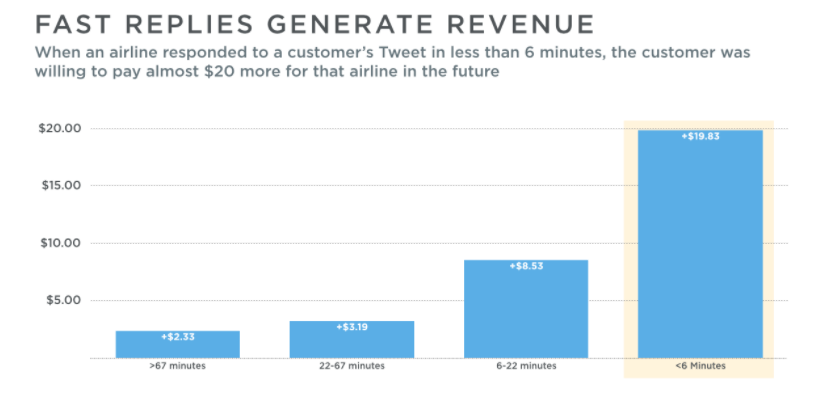
This example covers a specific industry where customers tend to be price sensitive – airlines.
When an airline answered a tweet in six minutes or less, the customer was willing to pay up to $20 more for a plane ticket.
You can apply this same concept to your business.
Customers are willing to pay more for good service.
You can’t give them proper service if they can’t reach you.
Hiring someone to take some of the weight off of your hands with customer communications can help increase your bottom line.
10. You can finally afford it
Help is expensive.
How much is it going to cost you?
Let’s look at the average starting salary for different college degrees in the US.
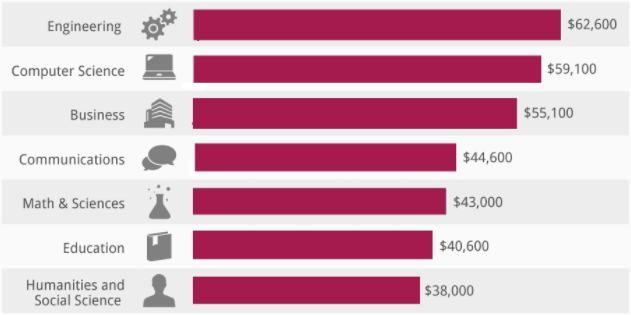
The graph gives you a good indication of how much you can expect to pay someone based on the industry of your business.
Obviously, there are other factors that impact pay, such as the person’s level of experience.
According to the Bureau of Labor Statistics, the average annual income for a United States employee is $849 each week, which translates to $44,148 per year.
That’s not cheap.
When you first start your business, you may not even be able to afford to pay yourself.
Now that you’ve been operating for a while, it’s time to hire your first employee if you can afford it.
We briefly discussed earlier that one of the top reasons startups fail is because of cash flow problems.
Bringing an employee on too soon can put your bank account in trouble.
But there comes a time where you can’t afford to stay in business if you don’t hire someone.
Your company can’t grow without help.
11. You need more than one freelancer
Starting off with freelancers or independent contractors is a good strategy for new businesses.
I’ve got a guide that explains how to hire and manage freelance writers and marketing professionals.
Freelancers can limit some of your risks, and you can cut ties easier if things aren’t working out.
Where can you find a freelancer?
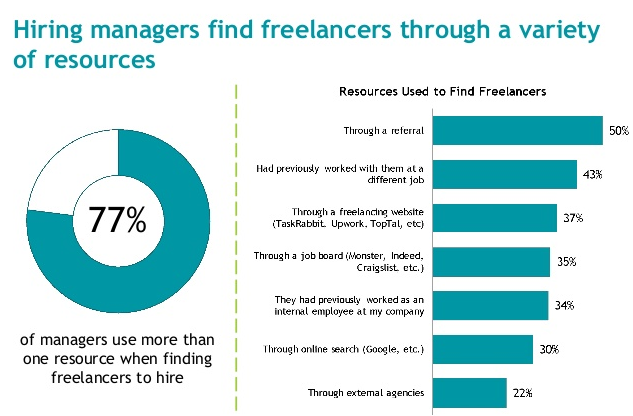
The research shows that managers find independent contractors through multiple platforms and resources.
However, there comes a point where you can graduate to a full-time employee.
If you have a committed freelancer that knows your business and you’re comfortable working with, consider asking him or her to come on full time.
It’s not a bad place to start.
Look for your first employee if you’re using too many freelancers or independent contractors.
It will be easier for you to just get someone else on the payroll.
At the end of the day, freelancers work for themselves.
You’ll have more control over a hired employee.
12. There’s enough work to keep a new hire busy
You want to hire someone for long-term work.
We just discussed the benefits of freelancers, but those people are better for short-term solutions or big projects.
Hire someone when you have a steady position that needs to get filled.
If your employee doesn’t have enough work to do, he or she will waste time.
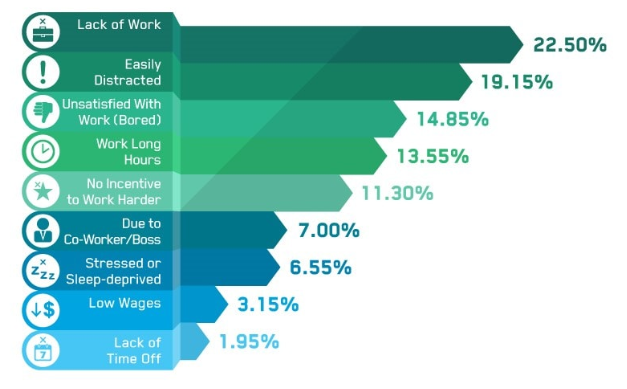
Lack of work is the number reason why employees waste time.
That’s not an efficient use of your resources.
You don’t want to pay someone to stand around and do nothing.
Give your new employee specific instructions.
Make sure you follow up with them to make sure everything is on track.
Your new hire should have a specific position as well.
They don’t need to handle half of your workload. Instead, let them take one or two specific tasks off your hands.
Earlier we discussed how it’s a red flag if your customers can’t reach you.
Consider using your first employee to handle all customer service inquiries.
13. You’re eventually planning to sell your company
What are your long-term goals for your startup company?
If you’re planning to sell your company, you’ll need to come up with an exit strategy.
There’s nothing wrong with this.
In fact, over half of tech and healthcare startups want to get acquired.

With this in mind, it won’t be easy to sell your company without some kind infrastructure in place.
Employees can make this easier.
If a buyer wants to acquire your business, you need to be able to show them that they can operate without you on the team.
It will also raise the valuation of your company.
So if you’re planning to get bought out, it’s a red flag if you don’t have any employees.
Conclusion
Hiring your first employee is a big step.
It’s nerve-wracking and exciting all at the same time.
If you’re unsure whether or not you need to hire an employee, consider the red flags that we discussed.
How do you know it’s time?
If your customers can’t get in touch with you, and they are complaining, it’s a big problem.
Your quality can suffer, and your company will struggle to grow.
Make sure you’re not turning away customers.
This will cause your customer acquisition cost to skyrocket.

High customer acquisition costs can lead to cash flow problems and can ultimately put you out of business.
Hire your first employee when you can finally afford it.
But make sure you have plenty of work to keep them busy.
Hire someone who has a specific skill set.
Just because you’re an entrepreneur, it doesn’t mean that you don’t deserve time off for vacations.
Hire someone so you can get away and clear your mind.
This will end up improving your productivity.
You’ll definitely need to hire help if you plan to sell your business as an end goal.
Remember, don’t hire an employee if:
- You’re desperate
- You don’t have a specific job for them to do
- They are the first person who applies
Consider looking for a co-founder to grow your business.
Look for the signs and red flags that we discussed so you know when it’s time to find help.
What steps are you taking to hire the first employee for your business?