
 Sign In











Part of building an impactful brand is ensuring it’s instantly recognizable amongst your target audience. This is where brand strategy comes in. With a solid brand strategy, your company is able to create a consistent presence that becomes a household name.
But you need to understand what goes into a brand strategy, how to develop one, and what a good brand strategy looks like. Read on so you can get started creating your own.
Key Takeaways
- A brand strategy is a key component of building a recognizable and impactful brand.
- Your brand strategy can help you and your team be more consistent with your marketing, stand out from the competition, and keep new hires on the same page.
- Your document should outline your entire brand identity, your story, your audience, and your marketing message.
What Is a Brand Strategy?
A brand strategy is a plan your business puts together to build an identifiable brand. Think of brands like Starbucks, Chipotle, even Kleenex. Their logos are instantly recognizable. Kleenex has become the household name for tissue, even though it’s a brand name.
Those are strong brands. And they’ve become so well known because of their effective brand strategies.
A good brand strategy includes guidelines for every aspect of a brand. The visuals, how they should be used, the overall voice, and the types of content they want to promote.
Think about it. Starbucks’ forest green siren logo has become so recognizable that the brand was able to drop the “Starbucks Coffee” brand name around the logo and shift to only the siren.
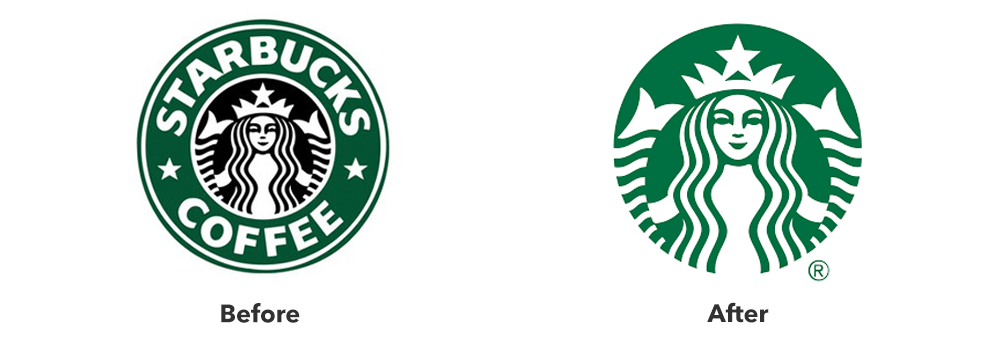
It was able to do that because the brand has incredibly strict guidelines about how the logo can be used. Imagine if different locations used different colors, fonts, or other visual elements rather than the set Starbucks logo.
We wouldn’t be able to recognize it quite so easily if every location had a different variation, would we?
This is where a brand strategy comes into play. If you want to build a strong, recognizable brand, you have to have a strategy and guidelines on how your brand should be represented visually and vocally.
Why Is a Documented Brand Strategy Important?
If you’re going to create a brand strategy, it’s important to compile everything into an easily accessible document. This is an essential step for a number of reasons.
A documented brand strategy:
- Creates consistency in your messaging: Having a document that everyone can refer to ensures consistency across the board.
- Ensures your team can clearly articulate your USP: Include examples of how your product or service helps customers so everyone understands how to promote your brand.
- Helps you stand out from the competition: A cohesive brand strategy helps your brand become quickly recognizable, helping you stand out from others in your industry.
- Defines your brand’s identity: Outline clearly what your brand stands for and how you want it to be perceived by your customers so your team can easily convey that identity.
- Keeps your marketing efforts aligned: When everyone on your team is on the same page, you’re able to keep things like marketing messaging, campaigns, and other efforts all aligned.
- Makes onboarding new hires easy: You can easily share your documented brand strategy with new hires to instantly get them aligned with your messaging.
- Improves brand awareness and recognition: Documentation keeps everyone in line, ensures your strategy is cohesive, and helps boost your overall brand awareness and recognition because of that.
How to Develop a Brand Strategy
Recognizable brands tend to see a lot more longevity than ones that don’t stick in their target audience’s minds. And developing a solid brand strategy can have a lot to do with that.
If you want your brand to stay top-of-mind for your customers, you need to create your own brand strategy. Follow along with our recommended steps to get started.
Craft Your Brand Identity
Think of your brand almost as a person. Its own entity. Who is it? What’s important to it? What kind of verbiage does it use to talk about itself?
To be a little less abstract, your brand identity should consist of three main things: values, voice, and visuals.
Values
What does your brand stand for? What was the big “why” that led you to start your company in the first place? Not the “I need to pay my bills” of it all. But what led you to your specific business.
For example, you might be starting a software business that solves an acute pain point you’ve dealt with, and you want to help other people dealing with the same issue. Or you might be really invested in a specific charity or cause, and you want to sell a product that relates to that cause, and donate some of the proceeds.
Think about the “why” behind your business. This is going to be really important in the next step, but it’s also a big part of your overall brand identity. Your voice, personality, and visuals should all relate back to the reason your business exists.
Voice and Personality
When we think about the voice and personality behind your brand, you want to consider how you want to be perceived. Again, this relates back to your values because you want the voice you choose to make sense for why your business exists.
If you’ve started a business with a serious cause in mind, a bold personality would clash with that initial brand story. Instead, you’d want to take a more sincere approach.
But on the other hand, if you simply want to solve a small pain point, a sarcastic and whimsical brand voice could be exactly how you stand out.
Visuals
And finally, you need to consider your visuals. While your values and voice are still a part of your identity and how people can recognize your brand, the visuals really seal the deal. After all, while people might instantly recognize Duolingo’s chaotic content, it’s really the big green owl that solidifies it.
Your visuals mean your company logo, color scheme, and font choices. This is the memorable Starbucks siren, the iconic Nike swoop, the unforgettable McDonald’s golden arches.
I’ve written before about choosing the best brand colors. Consider which color scheme you want to represent your business, then work with a designer to build out your logo and typography.
Write Your Brand Story
In the first step, we talked about finding your “why.” Now it’s time to flesh that out and create the story behind your brand.
For some brands, that story is more internal, being shared amongst team members and included in onboarding documents so everyone knows the ethos of the business.
But others, like soda brand Poppi, choose to share their story out loud. Poppi has a page on its website literally titled “Our Story,” that explains how the business came to be and the values behind the brand.
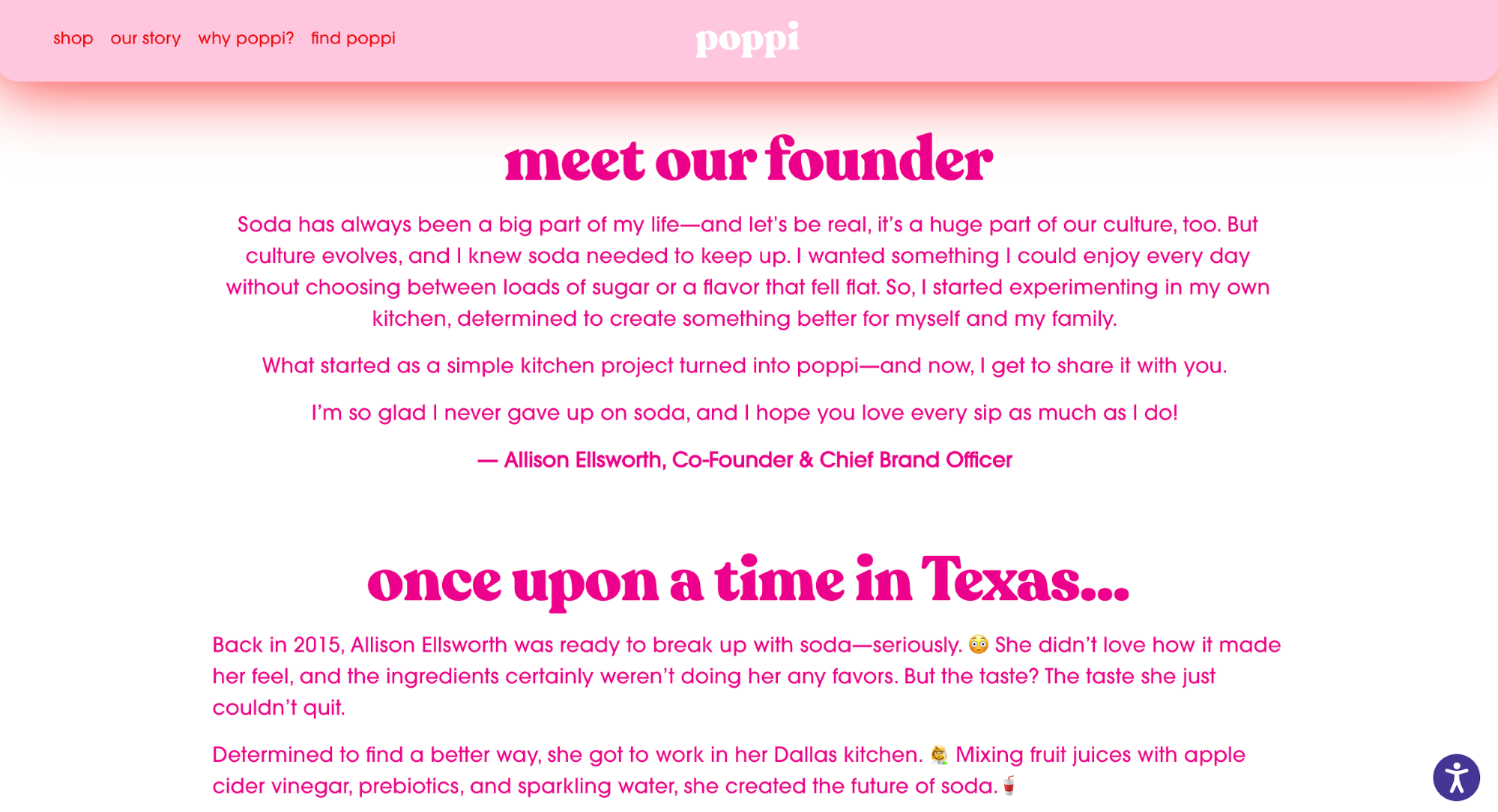
Decide how you want to share your story. But understand that writing it is going to be a major part of building a brand strategy that sticks.
Identify Your Target Audience
Having a clear understanding of your target audience is a key component of your brand strategy because you need to know who you’re trying to sell to in order to understand what they want to see from your brand.
Appealing to the masses is part of building a recognizable brand. You need to come up with visuals and messaging that the people you’re targeting are actually going to relate to.
Think of it like this. If your business targets older generations or higher-ups in companies, Gen Z slang does not need to be a part of your messaging. And vice versa, stuffy, “holier than thou”-esque verbiage is going to turn away Millennials faster than it takes to press “Publish” on that first social media post.
To pinpoint your brand’s target market, you need to:
- Conduct market research to learn more about the people interested in your product or service
- Analyze your competitors and the people who are interacting with them online to learn more about them
- Use social listening tools to monitor conversations around your industry
Compile a customer persona with all of the demographic, psychographic, and behavioral information you’ve gleaned during your research. Your customer persona is like a fictional profile of the most likely person (or people) to buy your product or service, and can be the perfect solution to helping you figure out how to market to them.
Create Your Messaging
Now that you know who you’re marketing to, it’s time to create your messaging. Your marketing message refers to the words you use to communicate your value proposition with your target audience. It’s how you choose to phrase your promotional content in a way that resonates with the people who are most likely to become your customers.
Crafting your overall message can help you frame the rest of your marketing content. Think about Nike’s “Just Do It” slogan. This is the brand’s overall message, and all of their promotions have a similar vibe, encouraging their audience to overcome obstacles and just get out there and do what they’ve set out to do.
To create your marketing message, you need to consider:
- Who your target audience is
- What their pain points are
- How your business can solve those pain points
- What sets your business apart from the rest
Then you create a message that’s going to resonate with your target customer so they get a clear understanding of why your business is the right solution for them.
Come up with a slogan or tagline for your business, as well as some keywords that outline exactly how you want to communicate your business’s unique selling proposition.
Create Your Document
The last step is to compile everything into an easily accessible document that you can disperse amongst your team and include within your onboarding process. Create sections for each of the different topics we’ve covered here:
- Your brand values
- Your voice and tone
- What your brand visuals are and how they should be used
- Your origin story
- Who your target audience is
- What your marketing message is
You can also include a few other tidbits like your competitors and your overall business goals so that everyone is on the same page.
Creating your documented brand strategy is an essential part of building a strong, successful brand. Make sure it’s well-known internally what your brand should represent so you can start developing a recognizable business that lasts.
FAQs
What is a brand strategy?
A brand strategy is the game plan behind how your business presents itself to the world. It outlines everything from your brand’s voice and visuals to its mission and audience. The goal is to build a consistent, recognizable identity that builds trust and keeps your business top of mind. Think Starbucks, Nike, or Kleenex, that kind of brand power doesn’t happen by accident.
What is brand development strategy?
Brand development strategy is the ongoing process of building and evolving your brand. It’s how you move from just having a logo to being a brand people recognize, trust, and want to engage with. This includes defining your brand identity, creating consistent messaging, growing awareness, and adapting as your market changes.
How do you build a brand strategy?
Start by defining your brand identity: your values, voice, and visuals. Then:
- Write your brand story
- Identify your target audience
- Craft messaging that resonates
- Document everything in a brand strategy guide
That document becomes your internal brand bible. It keeps your team aligned, helps with onboarding, and ensures every piece of content or campaign you launch reflects your brand clearly and consistently.
Make an Impact With a Good Brand Strategy
If you want your brand to stay top of mind with your target audience, you need a strong, recognizable brand. The first step to building that is by documenting your brand strategy. A brand strategy helps outline your visuals, voice, messaging, and more.
Once you’ve created your brand strategy, take some steps to make your brand even more visible. The more visibility you have, the more likely you are to cement your brand in your audience’s mind.