 Sign In










There’s a lot of talk about the importance of keywords in online content.
And that’s good. Keywords are important.
But they’re not the most important part of your marketing strategy.
In fact, they are subject to something far more important: Audience.
If you don’t know who your audience is, then you don’t know which keywords to target.
Unfortunately, a portion of online bloggers and content creators believe that keywords alone provide the necessary traction to climb through the rankings.
By keyword stuffing their websites, they think they’ll get valuable traffic.
But this actually hurts their rankings.
They also don’t realize that catering to a specific and defined audience is far more powerful than targeting keywords.
Keywords are like paint on a wall. The paint makes the wall attractive. The paint gives the wall personality and differentiation.
But the wall is your audience. And without a wall to paint, keywords are useless.
So while you should strategically place keywords in your content, you should also do so only in the context of a defined market.
To prove my point, here are 11 reasons why you need to start with people, not words.
1. Finding keywords depends on knowing your audience
Yes, there is value in keyword placement.
After all, if you don’t place the correct keywords on your website, reaching your intended audience becomes increasingly difficult.
But to know which keywords to focus on, you must first know who your audience is.
As all marketers know, the worst thing you can do is target everyone with your content. By targeting everyone, you target no one.
Start by discovering your audience, and then determine what keywords are critical for finding them.
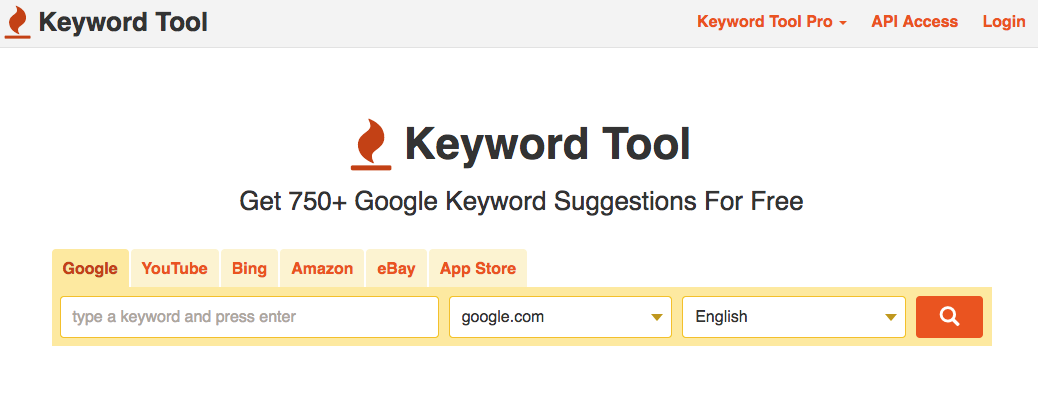
Keyword Tool will allow you to do keyword research for free.
You won’t be able to see the number of searches for each, but you will be able to see which keywords are most popular.
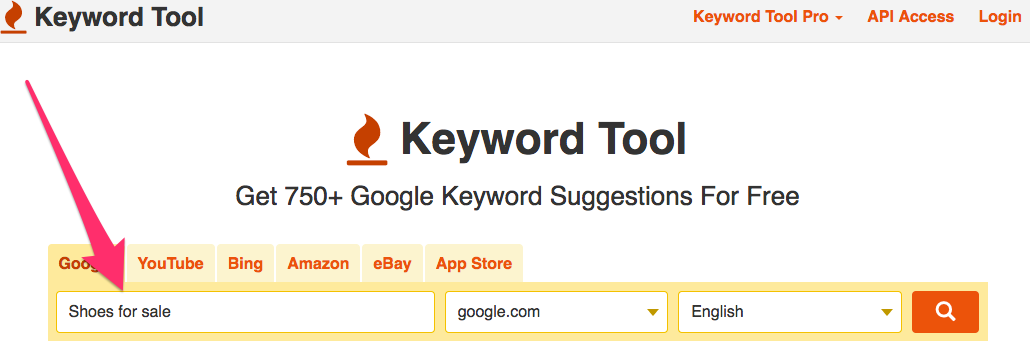
Type your focus into the search bar.
If I’m trying to sell shoes online, I might start with something simple, like “shoes for sale.”
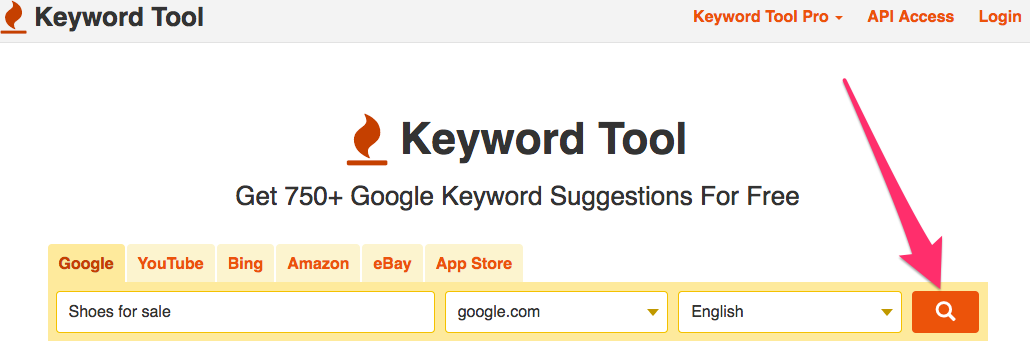
Then, after you’ve selected the correct search engine tab (in this case, I’m using Google), click the red button on the right.
What you’ll see, from top to bottom, are the most popular to least popular keywords that include the words you typed in.
If you get the paid version, all of the blurred info on the right side will show as well.
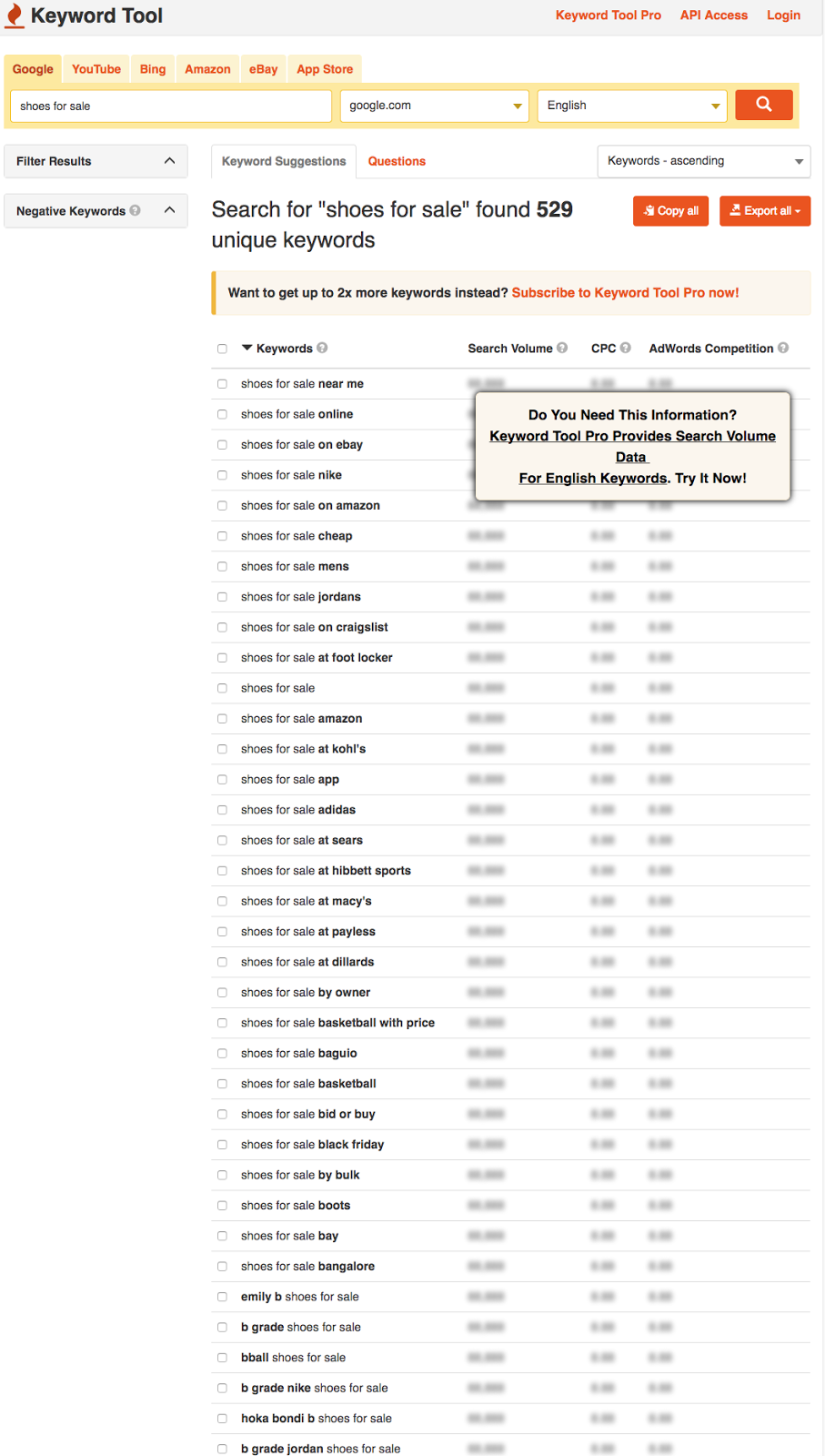
This is valuable because it shows you exactly what your audience is typing into Google.
Run through the list and choose any keywords that may be worth targeting.
For example, these are some that I might select:
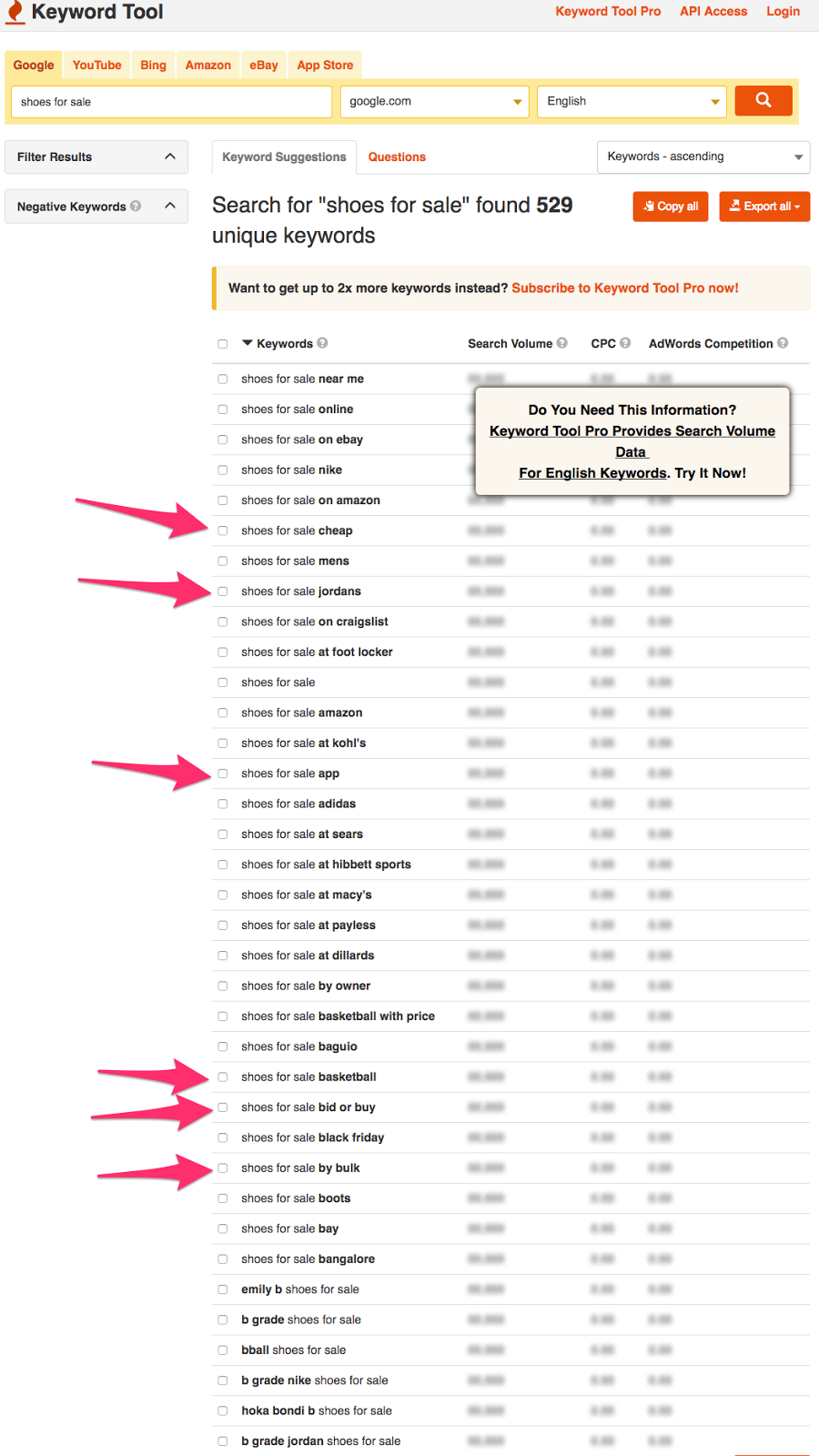
Keep in mind that it’s best to only choose one or two.
The more keywords you try to target on one page of your website, the more cluttered that page will feel to readers.
Once you’ve selected some candidates, choose the most specific ones to inform your marketing strategy.
“Shoes for sale basketball,” for example, would be perfect if I’m looking to create a landing page for basketball shoes.
Another way to do keyword research is to go to Google and allow their suggest software to do the hard work for you.

The more specific your audience and keywords, the better.
There’s a lot of content online. If you want to have a chance of standing out, define your audience and find specific keywords to target them.
2. Audience engagement is more valuable
SEO traffic is great, as long as that traffic actually cares about what you have to say or sell.
Traffic to your website is only as good as the engagement of that traffic.
For example, if a lot of people are visiting my website, but they aren’t commenting, sharing, or buying, then that traffic doesn’t help my business.
More important than visitors are visitors that engage with your message.
In other words, an audience.
Digital publishers are least concerned with traffic stats when discussing audience engagement.
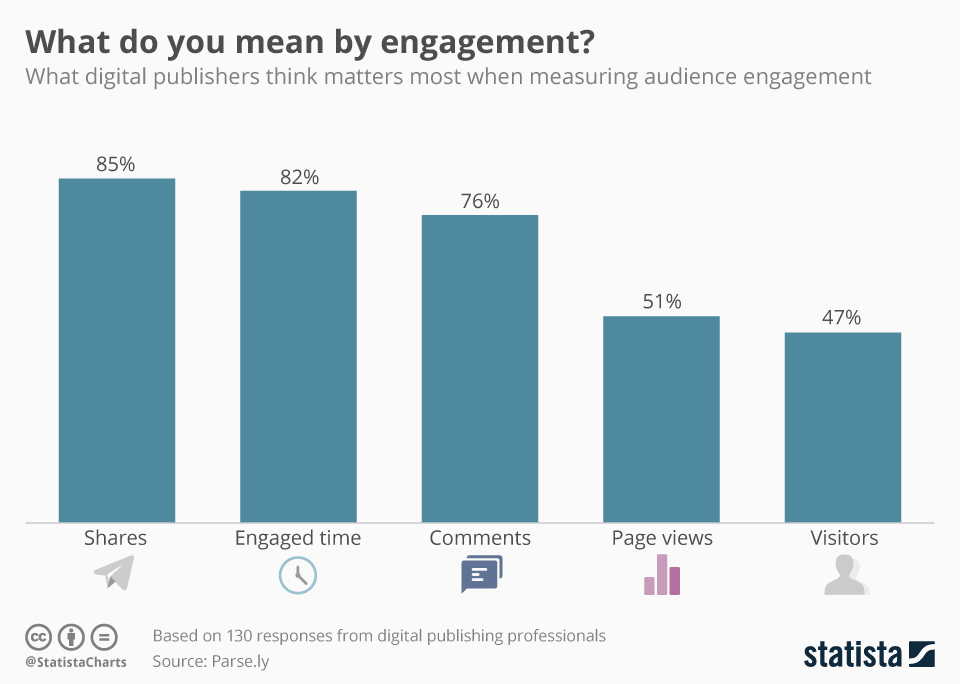
And usually, keywords only drive page views and visitors.
But an audience won’t just view your page. They’ll engage with it because they already trust and enjoy your brand.
Your audience is more valuable than traffic gained through SEO keywords because they’re more likely to share your message.
And in the world of marketing, engagement is everything.
3. Audiences are loyal
The reality of keyword traffic is that people only arrive on your website because Google sent them your way.
If they aren’t intrigued once they land on your website, then that traffic wasn’t worth a penny.
They’ll just leave and find a different digital landing zone. This is easy with millions of results at their disposal.

On the other hand, targeted and defined audiences are loyal because they feel as though they’re in a relationship with your brand.
When someone lands on your website because of well-placed keywords, they are far more likely to engage if they’re part of your target market.
To illustrate the power of audience, consider the rising popularity of social media.
Several social media platforms have user counts that are in the billions.
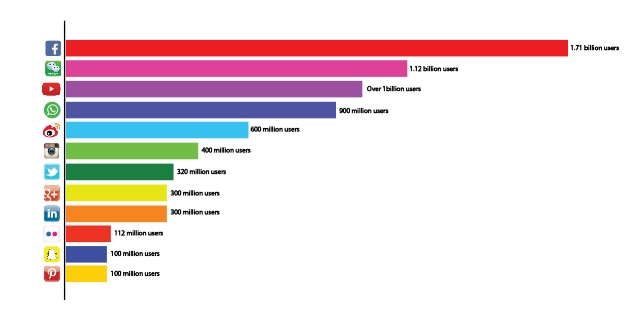
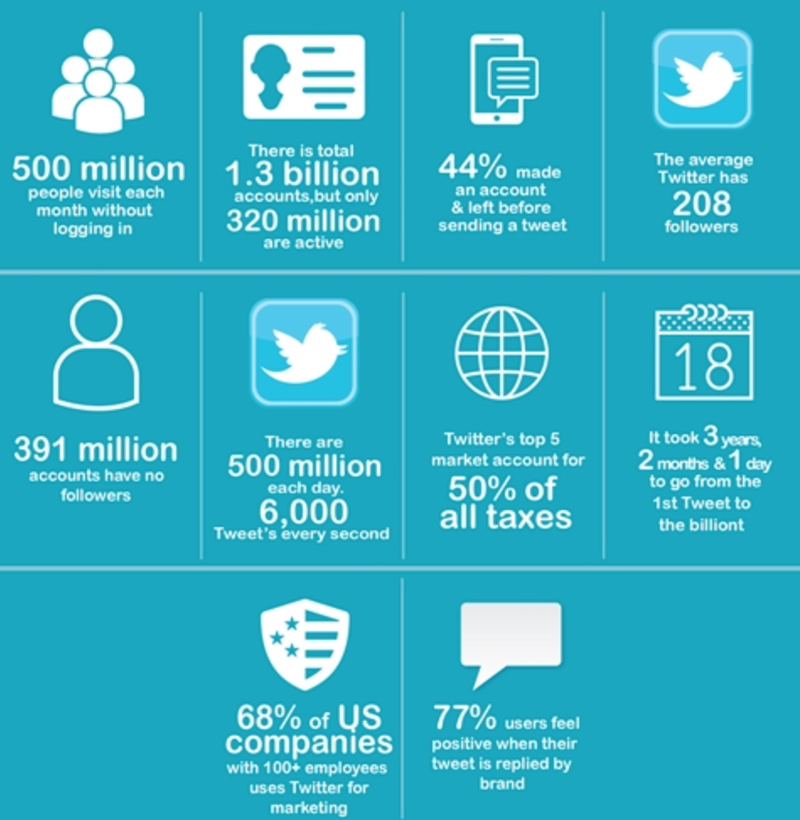
Twitter alone has a lot of traction in the world of audience building.
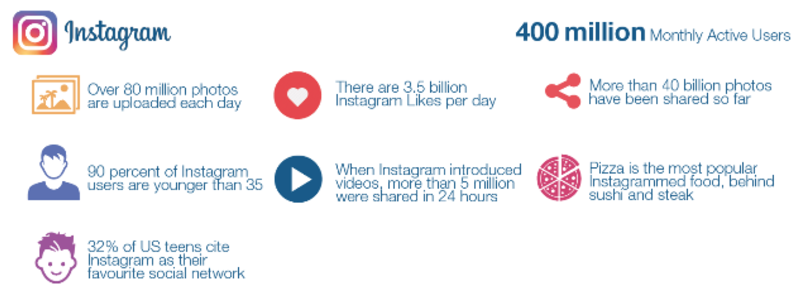
So does Instagram.
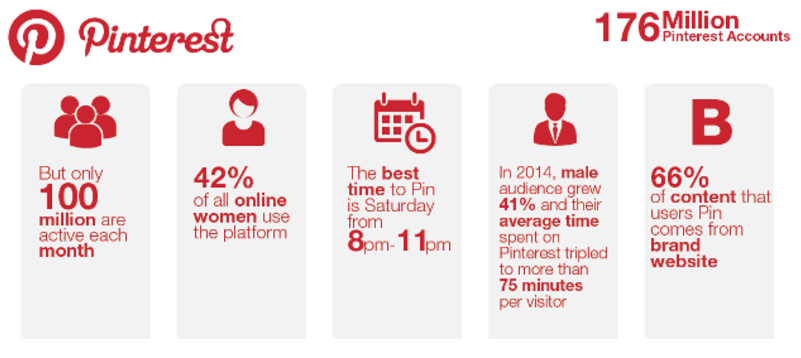
And Pinterest.
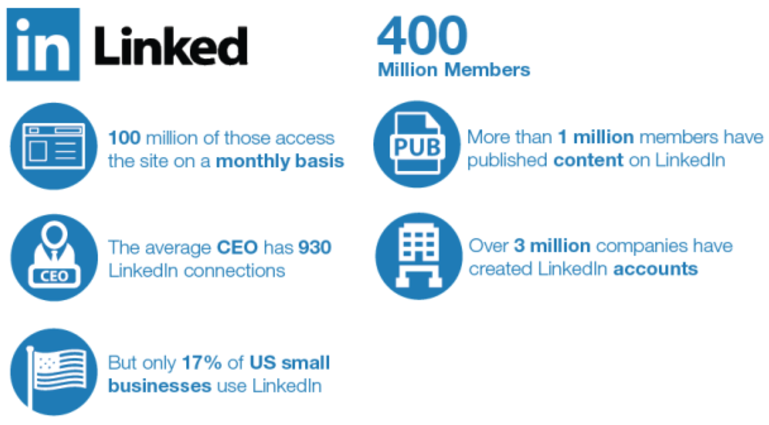
And LinkedIn.
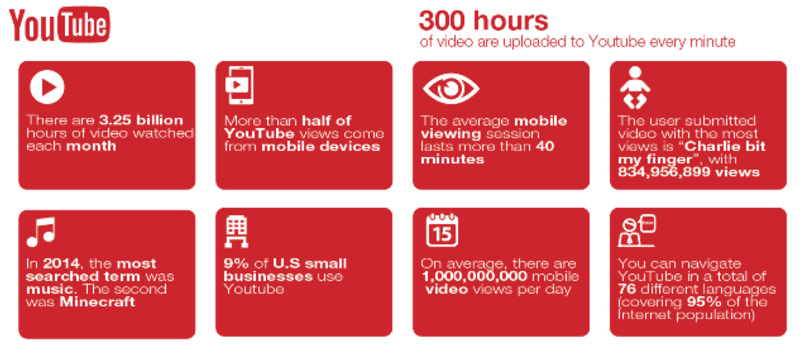
And YouTube.
The point?
Social media is successful because it allows people to target specific audiences and it then allows those audiences to respond.
Your website should do the same thing. An engaged audience is a loyal audience.
4. Audiences make more purchases
Who buys more of your product?
New people who have just arrived on your website because of a Google recommendation?
Or loyal customers who have been with you from the beginning?
Loyal customers pay significantly more than new customers.
But they don’t just pay more.
Loyal customers are 5x more likely to repurchase and forgive, 7x more likely to try a new offer, and 4x more likely to refer your business to a friend.
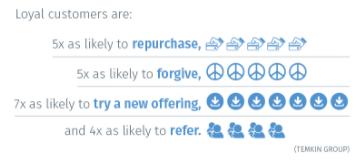
In other words, loyal customers spread your message and buy your product.
In fact, focusing on a better customer retention rate is a great way to save on costs. A 2% increase in customer retention decreases costs by 10%.
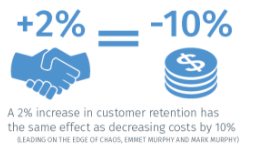
Customer retention is all about engaging with your loyal audience. By getting more people to stick around for a longer amount of time, you save money.
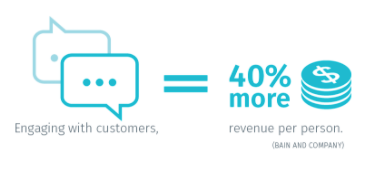
But engaging with your customers doesn’t just save money. It makes money. 40% more to be exact.
But why do loyal audiences buy more products and save more money than SEO traffic? Because they already associate with your brand.
Someone who arrives on your website from Google has no particular attachment to your company. They will come and go without thinking twice.
A loyal customer, though, will visit your website regularly to check for updates and buy new and upcoming products.
The most valuable asset for marketers today is trust.
But trust takes a long time to build. And that is exactly why loyal customers are so much more profitable than new customers. They already trust you.
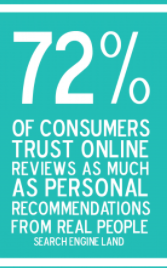
This is why online reviews are so powerful. They are trustworthy.
Customer support, for instance, often makes or breaks the trust level of a buyer.
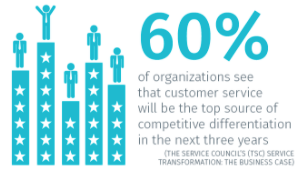
Because of that, 60% of organizations believe that customer service is going to be the reason why some companies succeed and others fail in the next 3 years.
Additionally, companies that have strong omnichannel customer engagement strategies retain 89% of their customers. Those who don’t only retain 33%.

Building an audience relies on engaging with that audience.
If you pay for your audience with time and money by talking with them on social media, asking relevant questions, and creating personable content, you’ll make your money back.
Keywords alone can’t build an audience, which means they can’t get the same kind of return on investment.
Building a loyal audience and retaining that audience is a far better use of your time and money than trying to stuff keywords on your website.
5. Keywords alone are useless
If you use keywords incorrectly, they can hurt your rankings.
How?
Imagine you Google, “how to screw in a lightbulb.”

When the results display, you click on one of the first few links.
But, after clicking and glancing through the article, you realize that it doesn’t answer the question. It’s just trying to sell you a lightbulb.
Within 10 seconds, you click off the website and browse through the remaining results.
What just happened?
Believe it or not, your actions just hurt that website’s domain authority.
And while one click alone won’t do much damage, imagine the thousands of other people who do the same thing.
That’s a lot of harm to their rankings.
Even I do this.
During my research for this blog post, I found this article.
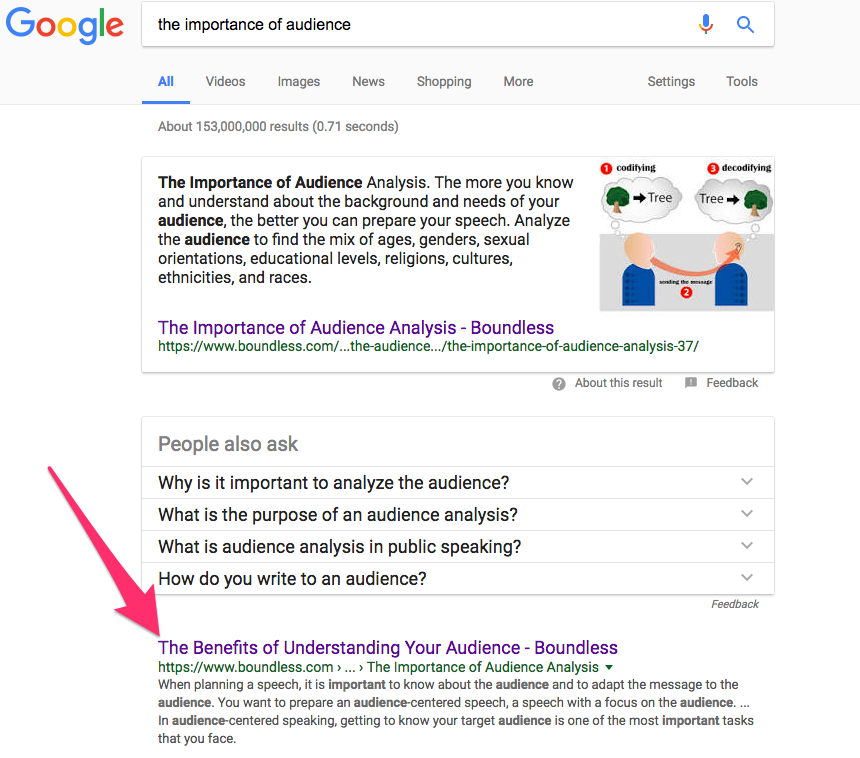
But after I clicked, I realized that the article provided very little value for my topic. So I left.
We do this regularly.
And so does everyone.
Keywords for the sake of keywords and rankings for the sake of rankings are useless.
Without a defined audience first, people will land on your website and quickly leave, meaning that your rankings hurt because of a high bounce rate.
And that’s not to mention the troubling brand image you’re creating.
If you aren’t using keywords to target an audience, it’s probably best to not use them at all.
6. Audiences spread your message
What reason would a random visitor have to share your content?
Most likely, none.
Even if your content is compelling, SEO traffic will most likely view your content, take value from it, and then give nothing back.
They won’t take the time to “like” it, comment on it, or share it.
Why?
Because they’re not invested in your brand. They’re simply here to get value from you.
A loyal audience, on the other hand, is likely to share your content, comment on your posts, and spread your brand’s message.
Always ensure you have share buttons on important pages to make it easy for your audience to share content with a friend.
Like what I do on my website.
When people share your content, they spread brand awareness and increase the size of your loyal audience.
Traffic from shares and audience engagement is far more valuable than SEO traffic.
When someone hears from a friend that your brand is awesome, they believe it. Because they trust their friend.
In fact, the top priority for B2C content creators is to create more engaging content.
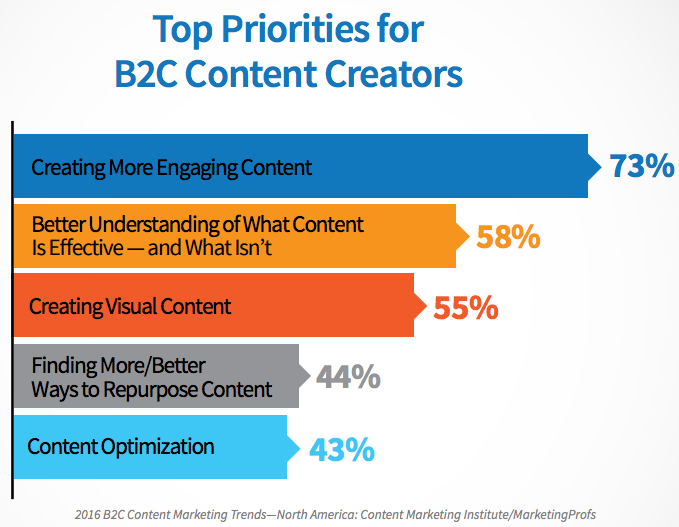
Share your content on social media platforms to make it even easier for your audience to interact.
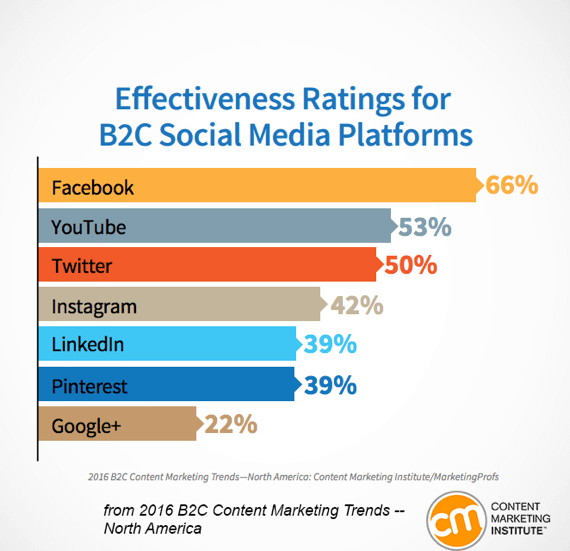
In terms of which social media platforms to focus on, consider these stats.
For B2C companies, here are the most effective platforms:
For B2B content creators, that focus varies a little bit:
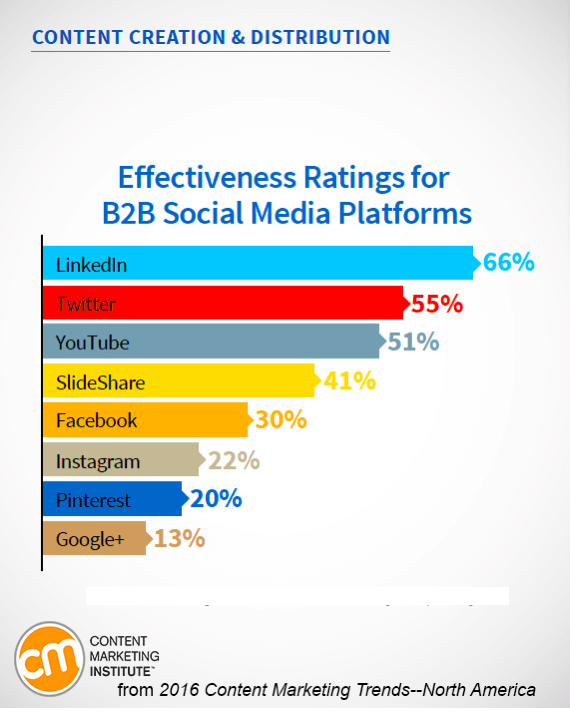
Ultimately, discover what social media platform your audience hangs out on and then work on spreading your message there.
7. Audiences are less expensive
A loyal audience costs you less money than trying to acquire new customers through SEO traffic.
Once a customer is loyal, they usually stay loyal. Unless you start to do something that’s outside of your brand’s character, it’ll be difficult to get them to leave.
People enjoy habits, and once someone has created a habit around your brand, they naturally won’t want to change.
That’s why it costs 5x more to acquire a new customer than it does to retain a customer.
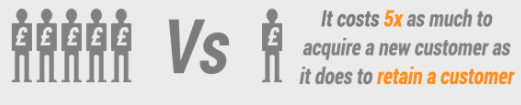
Focus on catering to your current audience instead of trying to find new buyers, and you’ll get more return on your marketing dollars.
8. Keyword stuffing can be annoying
No one wants to arrive on a website and see something like this.
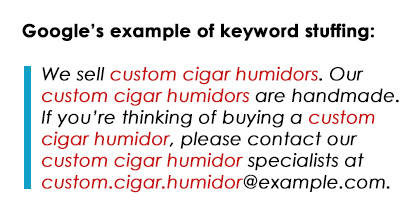
If anything, that kills your visitor’s trust. It seems desperate and unprofessional. And it even hurts your rankings.
According to Google, “Filling pages with keywords or numbers results in a negative user experience, and can harm your site’s ranking.”
“Focus on creating useful, information-rich content that uses keywords appropriately and in context.”
So, use keywords, but don’t overdo it. When someone distrusts your website because of keyword stuffing, they’ll leave quickly.
To include keywords for a targeted audience, let’s again use the example of searching for “shoes for sale.”

What kind of keywords should you include in your content around this topic?
Well, by scrolling to the bottom of the Google results page, you’ll see LSI keywords.
They’re under the “searches related to shoes for sale” text.
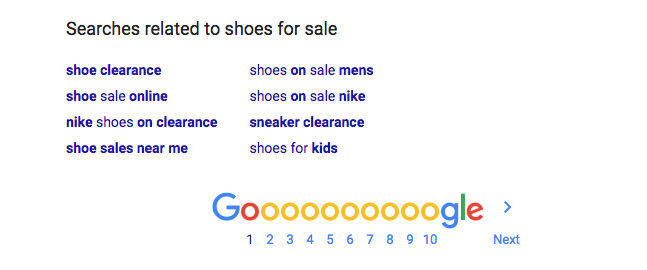
Take note of these keywords and sprinkle them throughout your content as well. This will help your rankings without exhausting the exact same keyword.
Rephrase your keywords to keep it interesting, and your audience will appreciate it.
9. Audiences don’t bounce on your website
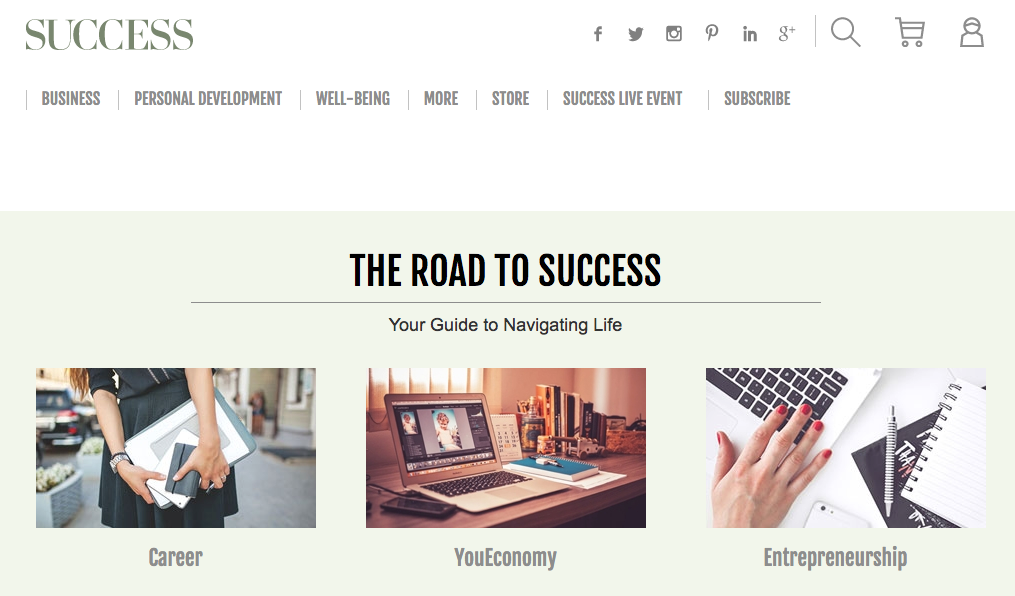
Imagine that you go to one of your favorite online publications. Maybe it’s something as big as Success, which has articles about productivity hacks.
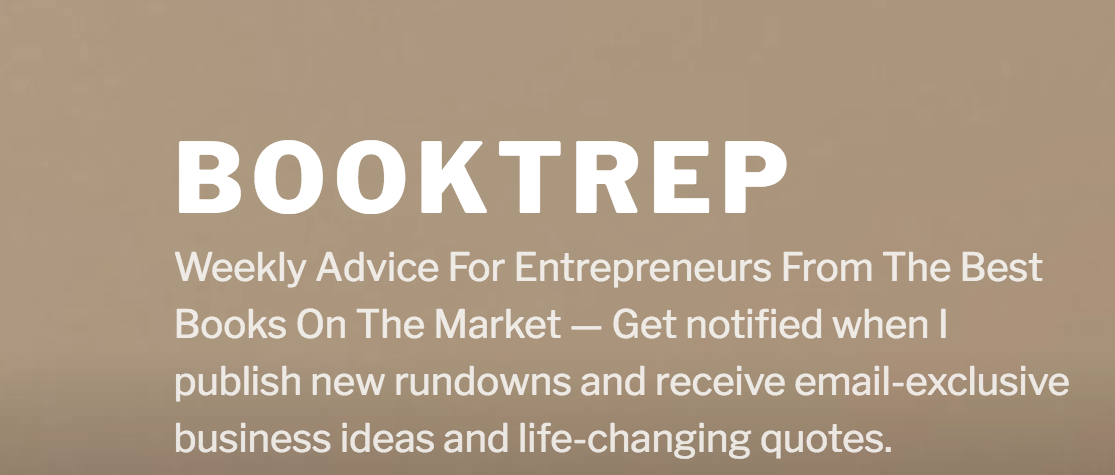
Or maybe it’s something more low-key, like Booktrep, which includes book rundowns for entrepreneurs.
Whatever the case, you probably don’t only view one article and then leave.
Instead, you view one article, and then another one catches your eye, so you read it as well.
The point is that, since you’re part of their audience, you browse.
Much like a shopping mall, you’re there as much for the experience as for the product.
And since audiences don’t bounce, they help your rankings.
But how do you find your bounce rate using Google Analytics?
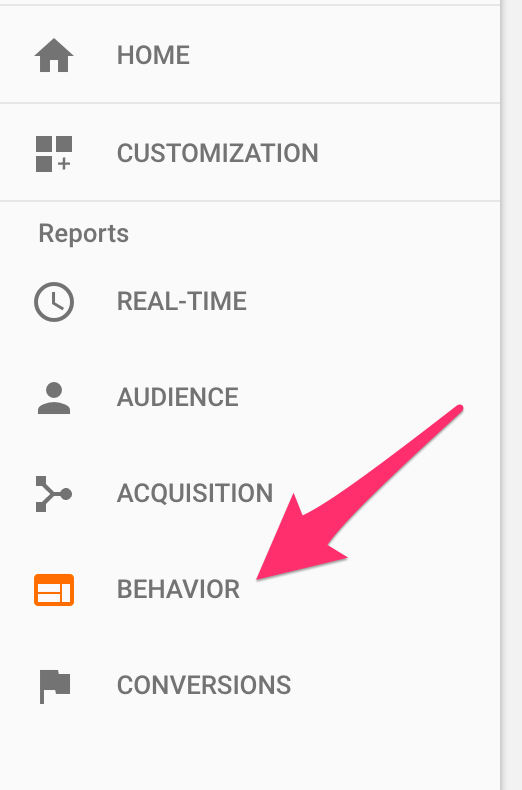
On the left side, click on “Behavior.”
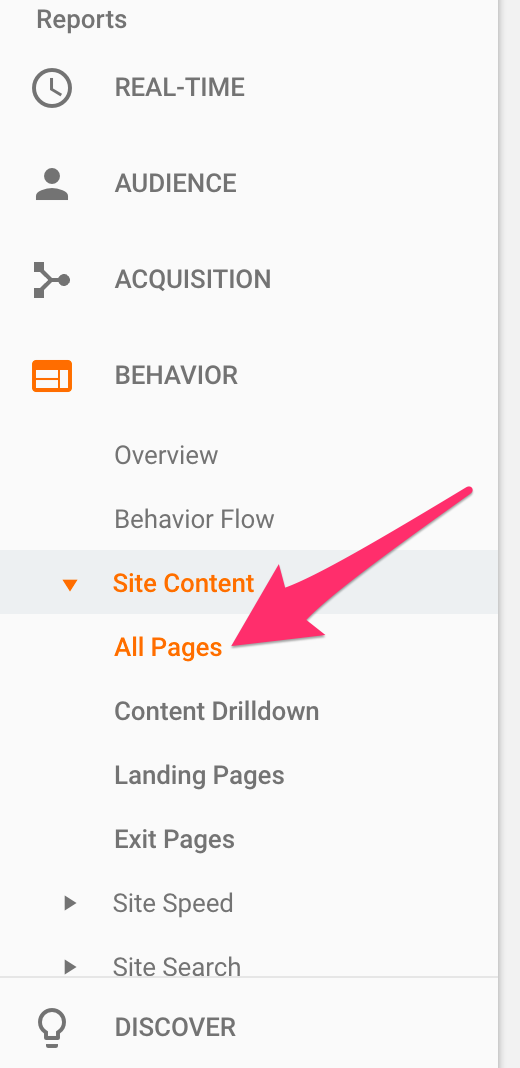
Then, click “Site Content” and “All Pages.”
On the stats dashboard, you’ll now see a section showing your bounce rate.
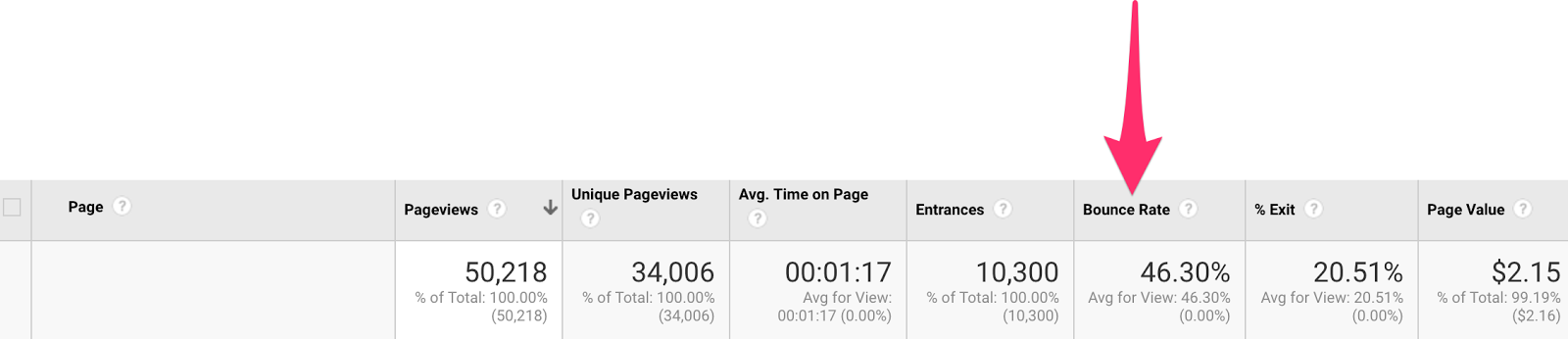
The lower this percentage, the better.
A bounce rate is the percentage of times that a visitor only views one page on your website before they leave.
When people bounce, it’s bad for your rankings. When people browse, it’s good.
But what percentage is good and what’s bad?
Here are the industry average bounce rates:
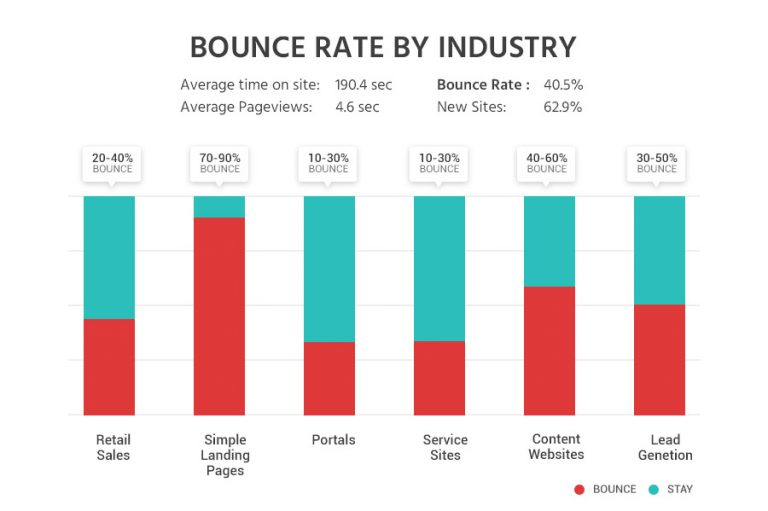
By focusing on audience, you’ll have a lower bounce rate, meaning you’ll have better rankings. Keywords can’t make the same promise.
10. Audiences increase time on page
In addition to helping your bounce rate, audiences also give you a better time on page.
Google’s algorithm takes this stat into consideration when ranking your website.
The higher time on page, the better.
If someone viewed your website for only 10 seconds, this communicates to Google that they didn’t like what they saw.
But if someone sticks around for a few minutes or longer, Google assumes your content is engaging.
To find time on page in Google Analytics, click on “Behavior” on the left.
Then click on “Site content” and “All Pages.”
Now you’ll see an average time-on-page stat on your dashboard. Reference this to get an idea of how engaging your website is.

An audience will stick around longer than SEO traffic because they’re loyal to your brand. Utilize your audience, and your rankings will increase.
11. A defined audience benefits your advertising campaigns
Social media has revolutionized advertising campaigns.
Since everyone’s data is now on the Internet, targeting your ideal client is easier than ever.
Everyone puts their interest, likes, dislikes, careers, and much more on social media platforms. Because of that, retargeting is now possible.
What is retargeting?
Retargeting is running ads on a social media platform as it learns about your ideal client based on how the ad performs with different people groups.
The platform targets the people who are most likely to click, purchase, or view.
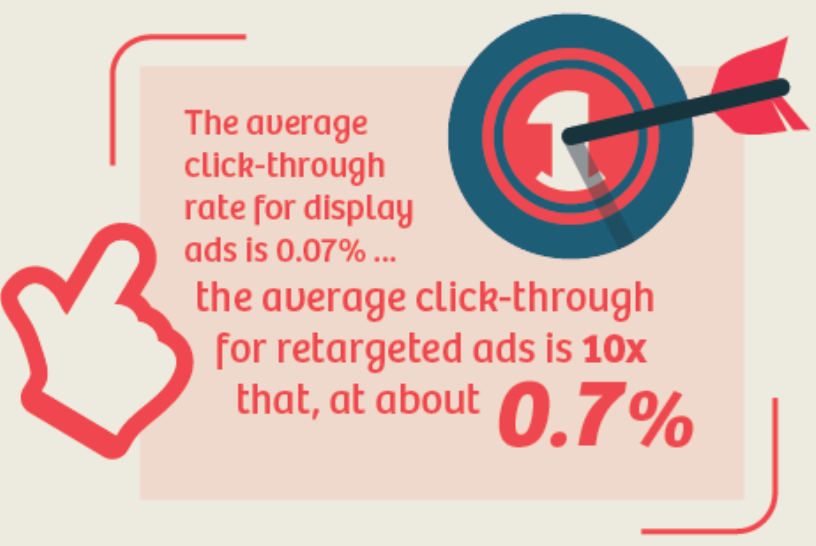
And just how powerful is retargeting? Retargeting campaigns see a 10x higher click-through rate than display ads.
And more people complete the checkout process with retargeting ads.
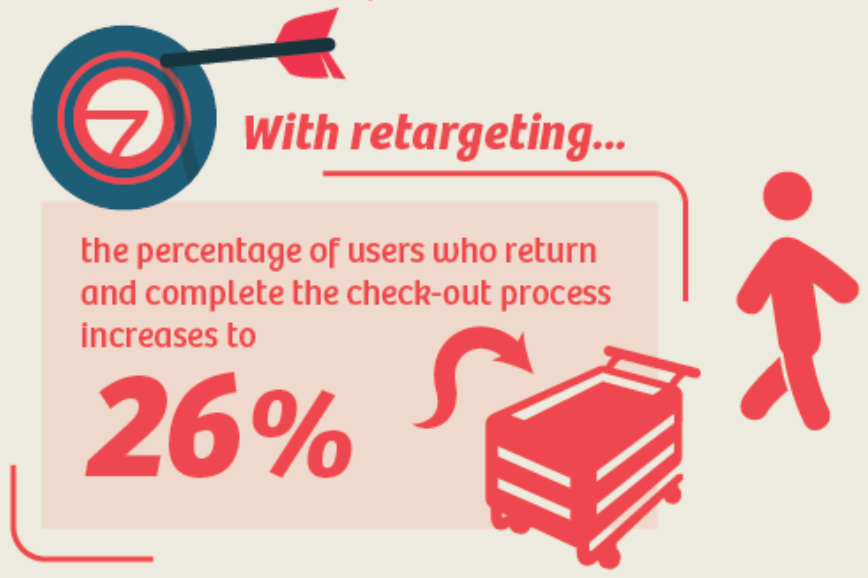
But why are retargeting ads so powerful? Because they focus on audience, not keyword stuffing.
They help you find the right person at the right time to receive your message.
By understanding who your ideal client is, your paid advertising campaigns will be more successful.
Conclusion
Audience is more important than keywords.
Keywords are useless without a person who is typing them into Google.
Meaning that if you don’t start with the audience, your business has a very small chance of surviving.
Audience engages more with your brand, they are loyal, they purchase more, they are less expensive, and they help your paid marketing campaigns.
If you’re lucky, keywords alone will increase your Google rankings. That is until people realize you aren’t targeting a specific audience.
On all fronts, audience beats keywords.
Why?
Because audience is relational and keywords aren’t.
That’s not to say that you should ignore keywords.
Start with audience and use keywords courteously.
Not the other way around.
Why do you think audience is more important than keywords?