
 Sign In






 Ubersuggest
  AnswerThePublic
In an age of marketing misinformation, the 4 Ps are more important than ever.
The “marketing mix” (made up of the 4 Ps) is a time-tested framework. It helps you achieve better product-market fit, boost revenue, and reach more people.
It doesn’t matter if you’re running a one-person small business or a global enterprise. The 4 Ps are essential tools in your marketing arsenal.
Key Takeaways
- The 4 Ps—Product, Price, Place, and Promotion—are the ingredients marketers mix together to meet their customers’ needs with a product (or range of products). As such, they’re often referred to as the “marketing mix.”
- The marketing mix is fundamentally a framework for helping with important marketing decisions.
- “Product” looks at how well features meet needs, “Price” at the amount customers are willing and able to pay, “Place” at how best to distribute a product, and “Promotion” at building market awareness.
- Many well-known, successful brands like Rolex, McDonald’s, and Red Bull have perfected the 4 Ps of their various products.
What Are the 4 Ps?
The 4 Ps, commonly known as the marketing mix, stand for Product, Place, Price, and Promotion. They’re a set of product factors that companies adjust to better meet the needs of their customers.
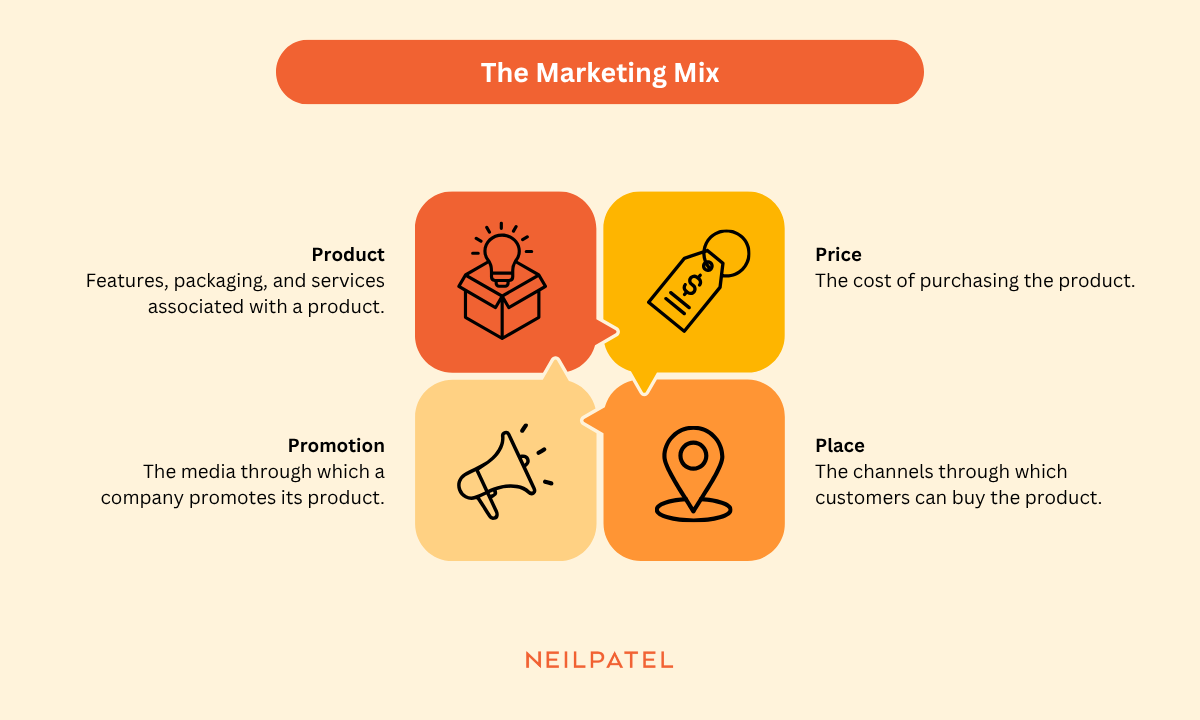
Here’s what each of the four “Ps” stands for:
- Product: The features, packaging, and supporting services associated with a product.
- Price: The cost of purchasing the product.
- Place: The channels through which customers can buy the product.
- Promotion: The means through which a company promotes its product.
To understand the 4 Ps fully, we need to take a step back. Mention “marketing” and most people think of customer-facing content—ads, social media posts, newsletters, and blog articles like the one you’re reading.
In fact, these represent one strand of a much bigger discipline. They’re only marketing communications, the “promotion” part of the mix. True marketing is a big-picture process that aims to meet all the needs of customers. And thinking in terms of the 4 Ps allows companies to do exactly that.
What About the 7 Ps and the 4 Cs?
Marketing professor E. Jerome McCarthy proposed the original 4 Ps in his book Basic Marketing: A Managerial Approach. Since then, new models have been suggested, with two in particular gaining traction.
Here’s a quick overview of the 7 Ps and 4 Cs:
- The 7 Ps add People, Process, and Physical evidence to the mix. These correspond to hiring, service-delivery processes, and the environment where business takes place. The idea was to adapt the basic model to better suit service-based businesses.
- The 4 Cs replace the 4 Ps with Consumer, Cost, Convenience and Communication. These overlap significantly with the 4 Ps but attempt to make the marketing mix more customer-oriented, by focusing on consumer needs rather than product features for instance.
My view is that while alternative models sometimes add useful nuance, the 4 Ps are still the best starting point for marketing campaigns. Work on adjusting the 4 Ps before considering other frameworks.
How to Use the 4Ps in Your Marketing Strategy
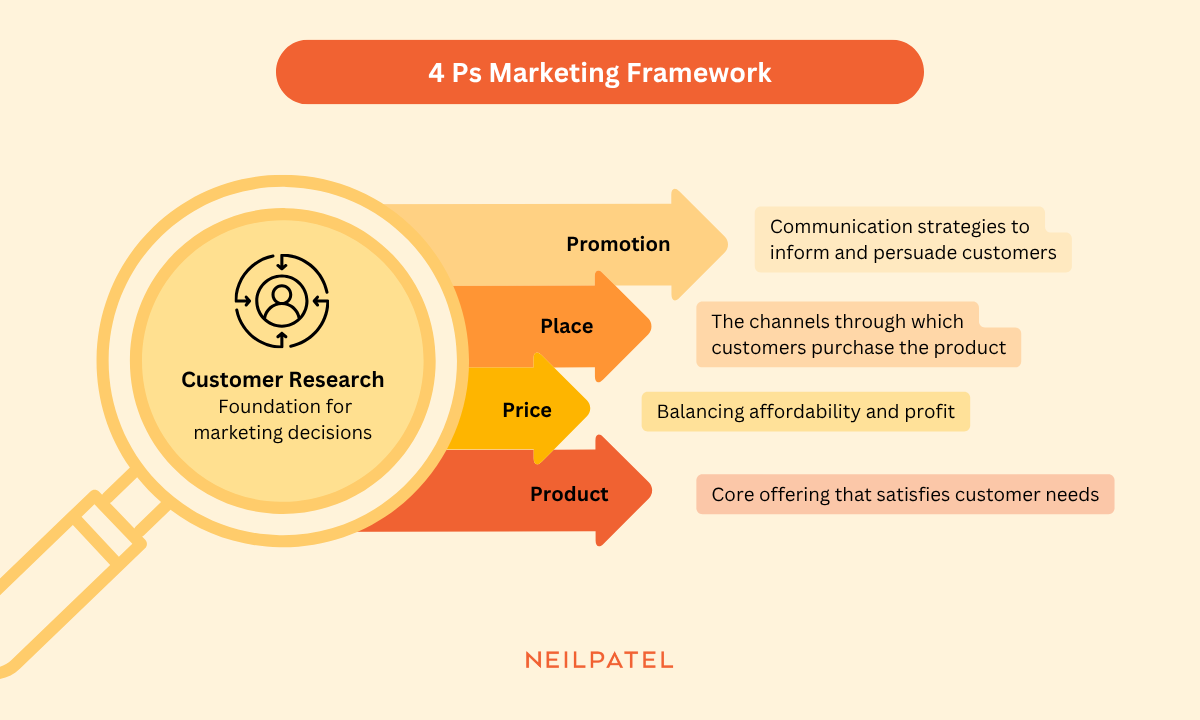
Customer research is the foundation of a successful marketing mix. You’ll use the information you gather to determine the best options for your Product, Price, Place, and Promotion.
Ask the following questions to build a clear picture of your customer:
- What are my customers’ most pressing pain points?
- What are their demographic and psychographic profiles?
- How much money are they willing to spend?
- Where are they located?
- What are their preferred physical and digital channels?
- What values and concerns influence their buying decisions?
Once you have detailed answers to these questions, you can draw on them to build and refine your marketing mix.
1. Product: Provide What People Actually Need
Products are the core offerings by which a company satisfies consumers’ needs. A product can be tangible, like a luxury car, or intangible, like consulting services. It also includes the “surrounding” value-adds, like aftercare and warranties.
A big part of defining the product part of the mix is determining which trade-offs to make. It’s not possible to have everything. You might sacrifice ease of use so you can offer a more complex feature set, but provide additional customer support and onboarding as a compromise.
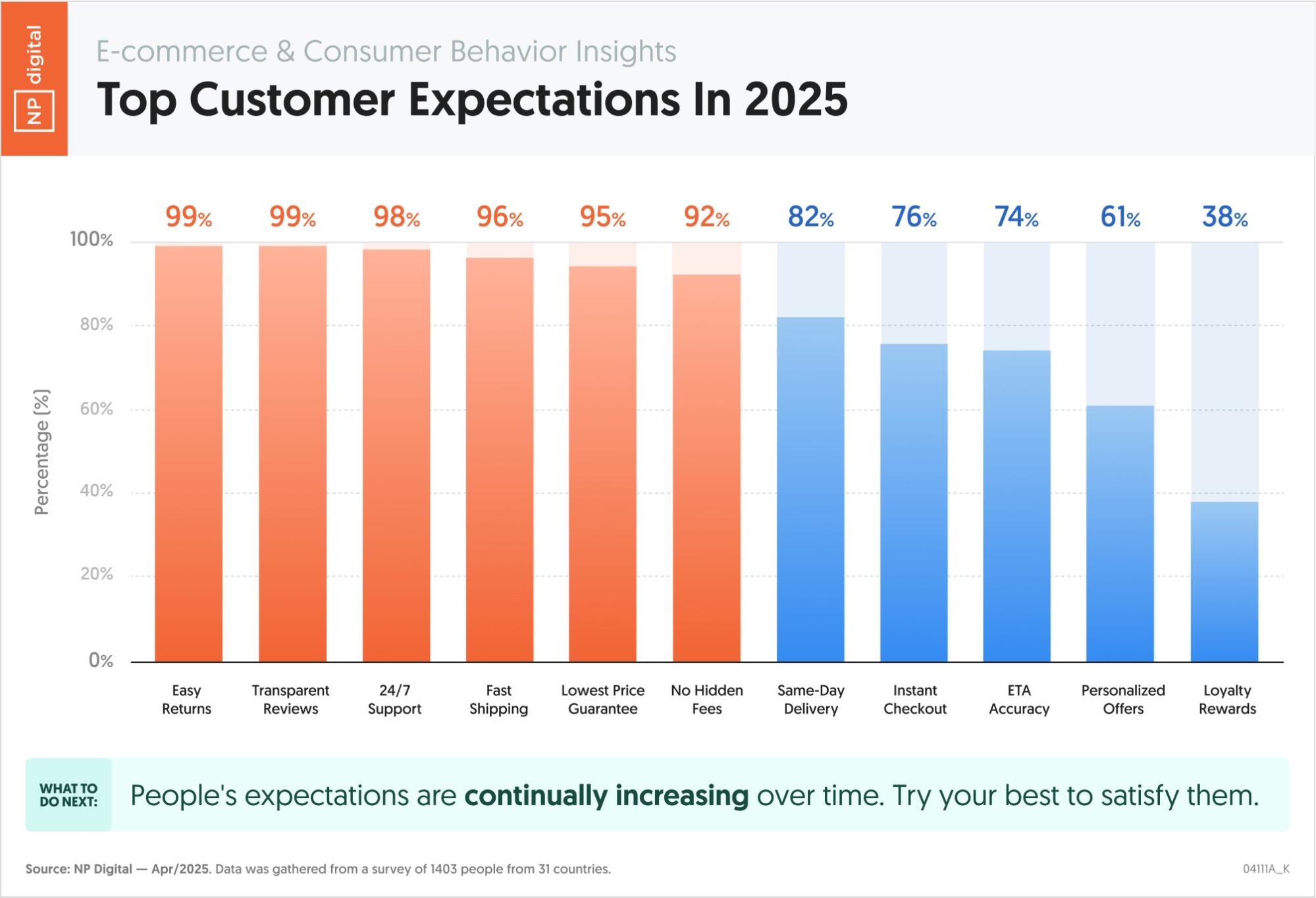
Our research, for example, shows that 99% of customers expect 24/7 support, whereas only 61% are bothered about personalized product offers. Always follow the data when deciding which trade-offs to make.
Ask these questions to find the best possible product-market fit:
- Do product features correspond to core customer pain points?
- Does my product improve on the value proposition (all of the benefits provided) of my competitors?
- Does product packaging and branding meet customer preferences while standing out?
- Is the product functionally easy to use?
- Is the product range organized to cater to different segments?
- Is the support package—covering customer service, warranties, and returns policies—competitive?
2. Price: Find the Ideal Mix of Affordability and Profit
Pricing matters because it determines revenue. Set it too high, and you’ll miss your sales volume targets. Too low, and you’ll see high sales numbers but little to no profit.
Setting price involves considering three main factors: production and distribution costs, what the competition is doing, and (crucially) what people are willing to pay.
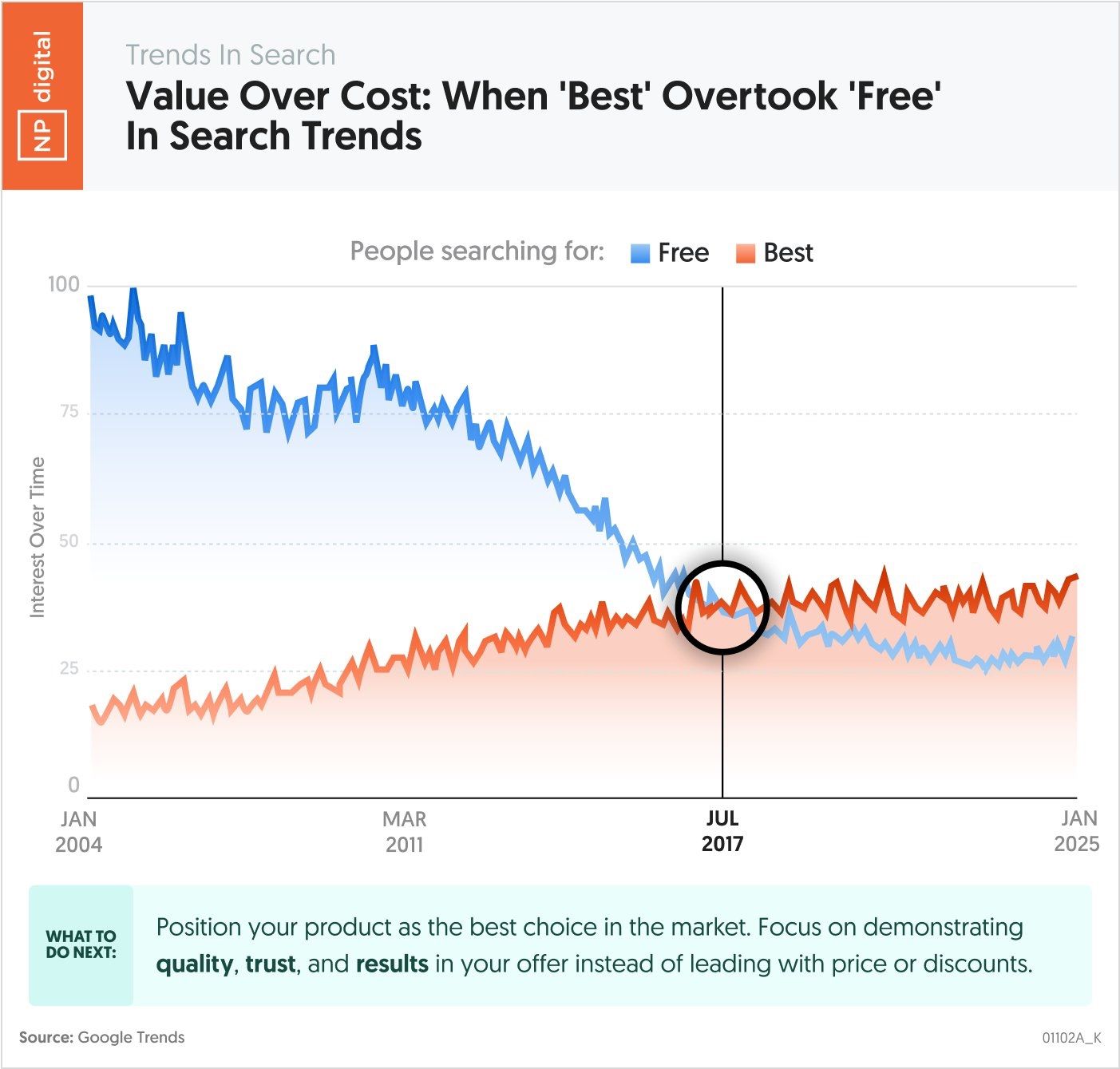
Interestingly, our research shows that an increasing number of consumers are willing to sacrifice inexpensive prices for an increase in quality. The best price isn’t necessarily the lowest.
Here are the main questions to ask to balance price and profit:
- Does the proposed price point allow for healthy revenue for the company?
- Does the cost match customers’ ability and willingness to pay?
- Is the price competitive when features are taken into account?
- Are payment terms—subscriptions, credit options, free trials—fully optimized for ease of purchase?
- Can discounts and special offers (e.g., for students or charities) be strategically used to boost revenue?
3. Place: Make Sure Customers Can Buy Your Product
Place is really about finding a balance between production and distribution. On the one hand, the location and cost of manufacturing need to be feasible for the company over the long term. On the other, it should be as easy as possible for customers to access the product.
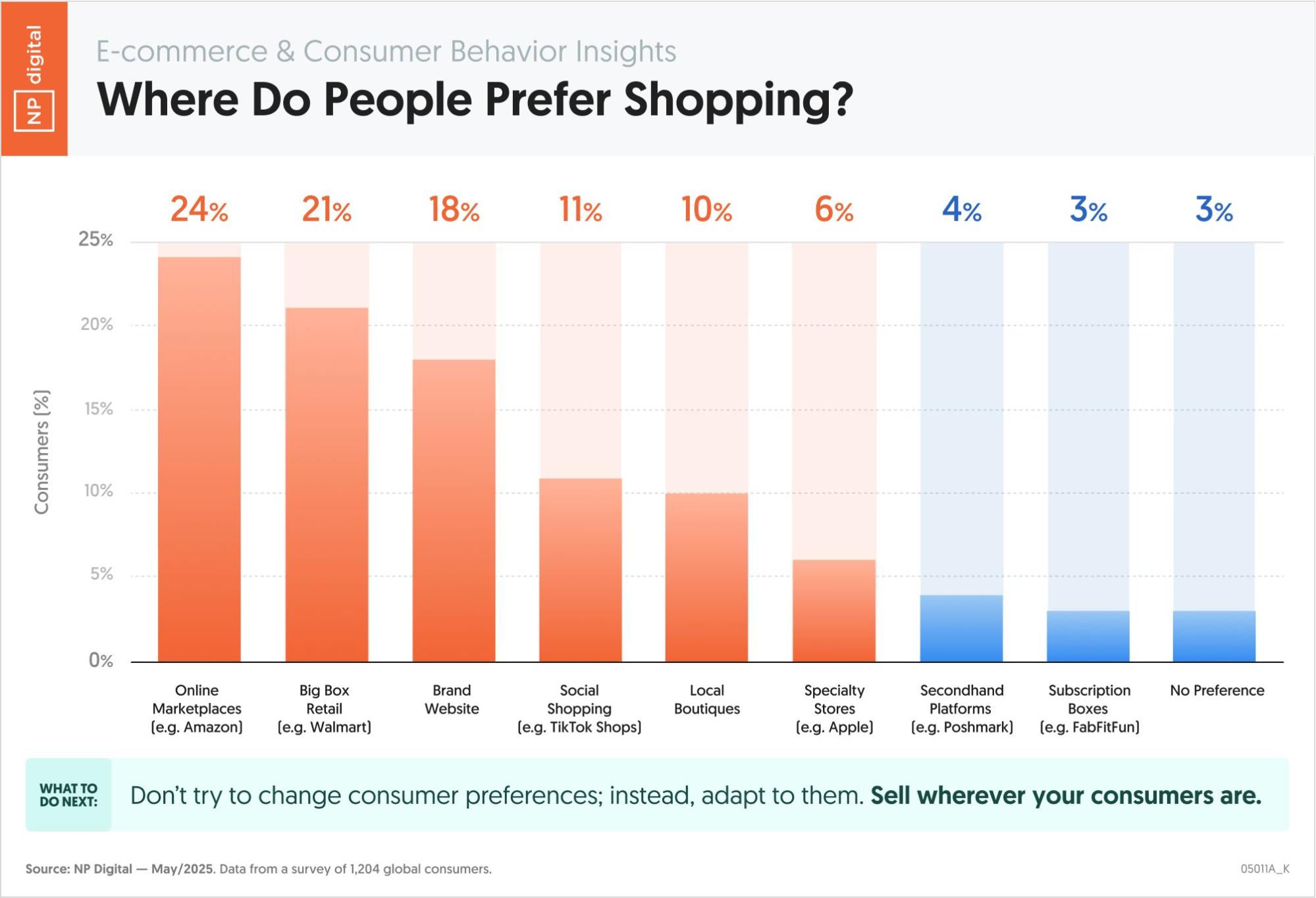
If you sell online, which is where most customers now shop according to our research, this balancing act is less of an issue. That said, you will still need to think about delivery logistics. For brick-and-mortar and in-person service businesses, physical location is very important.
Sometimes, the best approaches don’t always prioritize ease of purchase. The fact that Rolex, for example, makes all of its watches in Switzerland and distributes them through a select network of dealers is a large contributor to the brand’s perceived exclusivity.
These questions help you optimize the Place component of your mix:
- Will product distribution primarily be digital (online), physical (in-store), or a mix?
- Which physical and digital channels do customers primarily use to make purchases?
- Where are the majority of customers located geographically?
- Are there any relevant location-specific regulations that impact distribution?
- What logistical barriers exist to a well-oiled inventory and distribution network?
4. Promotion: Tell People About What You Do (Persuasively)
Promotion is the marketing communications element of the mix. It’s about telling your target market how your product can help them.
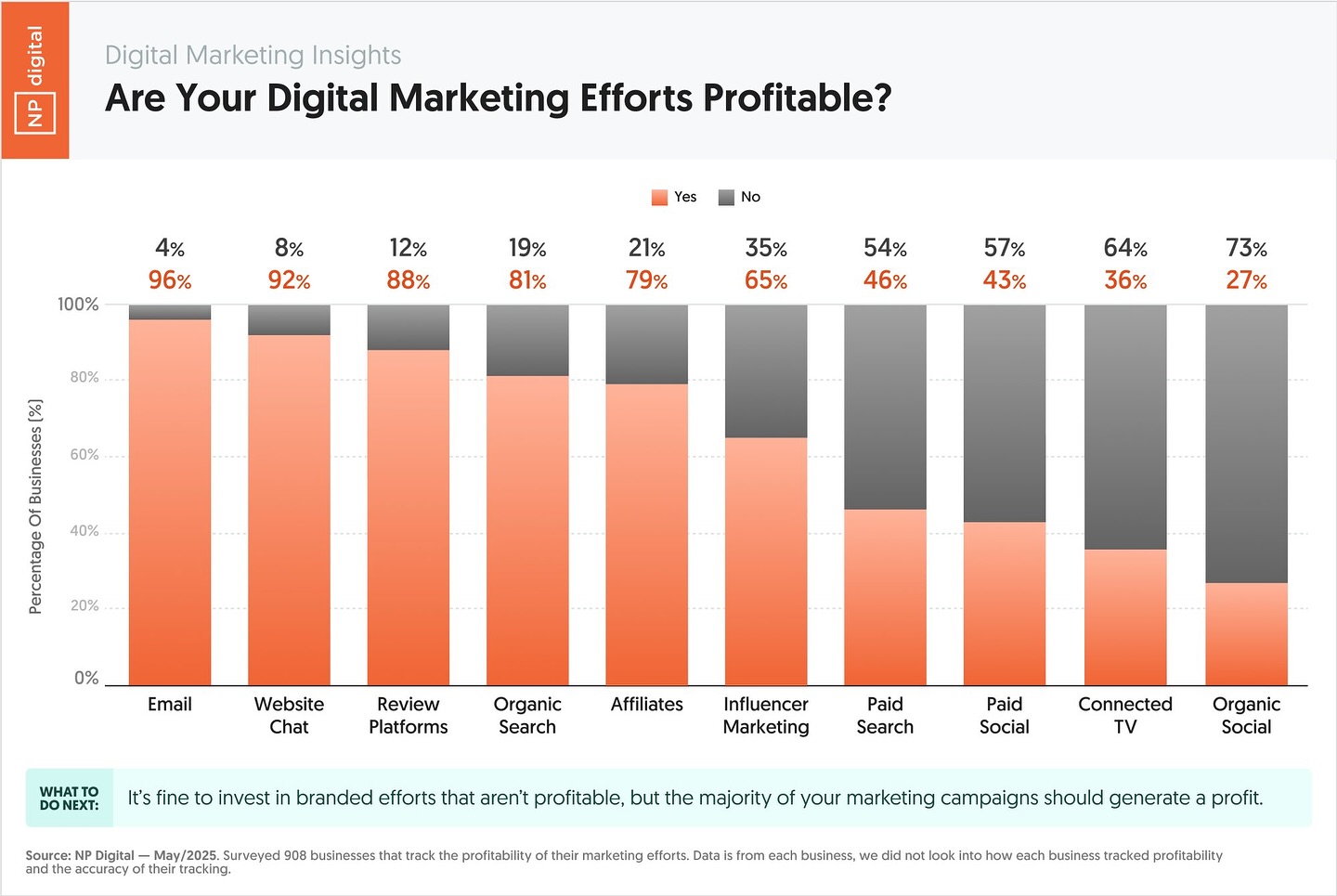
All promotional methods—ads, PR, sponsorship, whitepapers, case studies, direct mail, SEO, cold outreach—fall under this banner.
Ask these questions to find your ideal mix of marketing mediums:
- Do you have clear branding and messaging that can be implemented across all marketing communications?
- Which promotional channels do customers use most often to consume information (e.g., print media, Google search, email newsletters)?
- Historically, which marketing methods have worked for products like yours?
- Do budget constraints mean that certain promotional channels, such as paid advertising, are not viable?
- Are there any untapped marketing channels, such as new social media platforms, that could provide high return on investment (ROI)?
Examples of the Marketing Mix: The 4Ps in Action
Let’s look at some practical examples of how companies optimize the different elements of the marketing mix.
Example of Product: Ubersuggest
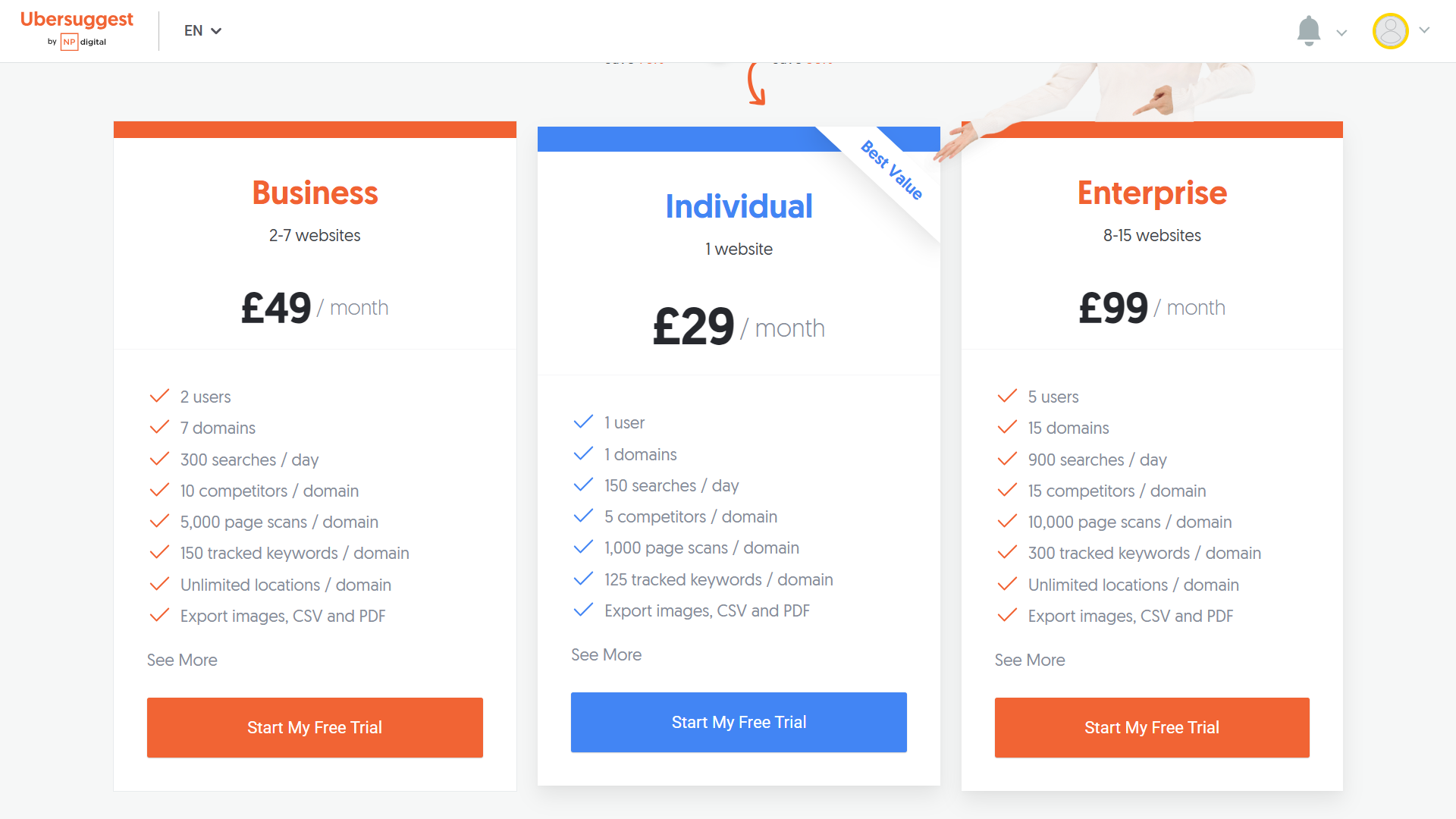
Ubersuggest is my keyword tracking and SEO tool. My core market for this product is individuals and small and medium businesses.
As such, I don’t offer an enormous feature set with hundreds of reports. Instead, I focus on usability.
My goal is to make Ubersuggest easy to use, especially for those new to marketing. On the flip side, my competitors focus on ad agencies and advanced marketers.
Example of Price: Rolex
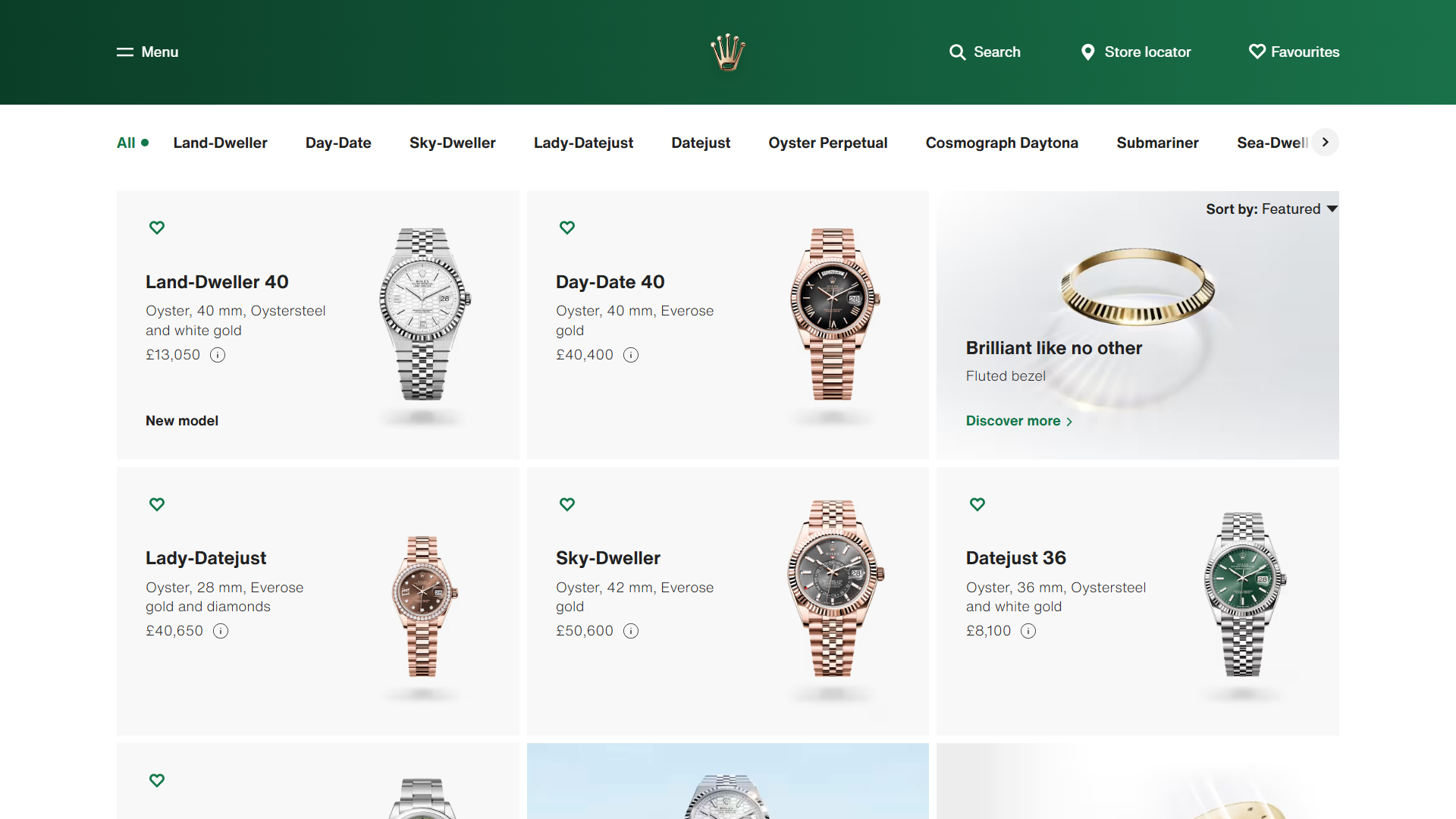
Rolex watches typically sit between $10,000 and $100,000. This price range positions the brand firmly in the luxury watch category and upholds its associations of aspirational luxury.
Rolex employs a tiered, product-specific pricing strategy. Price is based on manufacturing time, cost of materials, and the rarity of watches, with some items having very limited production runs.
Its multi-product catalog and strong brand storytelling allow the company to cater to customers with varying budgets without losing cross-market appeal.
Example of Place: McDonald’s

The primary distribution channels of McDonald’s are restaurants and kiosks. It also now offers home deliveries in association with partners like Uber Eats.
As a fast food company, McDonald’s has a relatively straightforward Place strategy. It picks areas of high footfall where people are looking for quick food options while engaged in other activities like shopping, working, and commuting. Most restaurants are located in busy urban areas.
Example of Promotion: Red Bull

People have joked that Red Bull is an extreme sports company that sells drinks. This is testament to the success of its promotional strategy.
Among other initiatives, Red Bull has seen significant marketing success by hosting events like the Red Bull Cliff Diving World Series and Red Bull Paper Wings (a paper airplane competition).
These raise a great deal of awareness of its range of drinks, often generating millions of views on social media and YouTube, and gaining valuable press coverage. It even has its own free streaming service, Red Bull TV.
Don’t Forget the Risk of Misapplying the 4 Ps
As with all marketing frameworks, there’s a risk of misapplication.
For the 4Ps, that risk comes in the form of disconnected decisions. The 4 Ps are interdependent. If one section of your team focuses on price, for example, without thinking about features, your marketing strategy will become lopsided.
That’s why it’s important for one person to have oversight and ownership. They can understand the links and ensure a well-rounded mix.
FAQs About the 4 Ps
Which of the 4 Ps is most important?
Ask a room of marketers which of the 4 Ps is the most important, and you’ll certainly hear a roomful of different answers. The truth is that, while you may be able to argue one is more important than the other, the 4 Ps rely on each other. By covering the whole marketing mix, you ensure you’re doing all the right things to optimize your revenue.
How do the 4Ps differ from the 4 Cs?
The 4 Ps—product, price, place, and promotion—and the 4 Cs—consumer, cost, convenience, communication—are both examples of marketing mix models. They both aim to boost sales, but the 4 Ps is more focused on the internal processes of the marketing strategy while the 4 Cs is more focused on the external processes that may influence a customer to buy.
How do the 4 Ps of marketing help businesses create effective marketing strategies?
A product’s features, price, distribution channels, and promotional strategy are the most important attributes that determine its success. By integrating all of these into a single framework, the 4 Ps ensure a business is ideally placed to meet consumer needs.