 Sign In






Key Takeaways
Digital marketing uses digital channels to promote a product or service.
- Examples of digital marketing include SEO, pay-per-click (PPC), social media marketing, and content marketing.
- Digital marketing techniques and strategies help businesses reach their target audience, engage with them, and convert them into customers.
- All businesses, regardless of size, budget, or industry, can use digital marketing to attract customers.
- AI is changing the way people view, consume, and value digital marketing content.
- Machine learning can help personalize marketing campaigns and track specific user behavior.
- To create an effective digital marketing strategy, research and understand your target audience, set well-defined goals, identify the right channels to use, and track your results.
What is digital marketing? It’s a set of strategies that help you find, connect with, and successfully sell services or products to your customers.
With more than 6.1 billion internet users worldwide, there are plenty of people to market to online. It’s vital to know which of those billions are part of your target audience, and which digital marketing channels best appeal to them.
The widespread use of AI has also changed the game, for better and for worse. Getting serious about digital marketing in 2026 means understanding all the ways AI has impacted the field.
In this digital marketing guide, I’ll give you the tools and tips you need to get started, right now. I’ll show you how to find your best audience, avoid AI pitfalls, and make machine learning work for you.
What Is Digital Marketing?
Digital marketing is the promotion of brands, products, or services through various digital channels.
Now you might ask, what are digital channels? They’re any online platform that lets you reach your customers. That’s not just social media or online ads, but email marketing, SMS, and search engine results.
Effective digital marketing uses these platforms to get your brand in front of the right audience and enhances your visibility to increase engagement, click-throughs, and conversions.
Digital Marketing vs. Online Marketing
When it comes to understanding digital marketing, you should know that it’s not just online marketing. The two are commonly confused, but they’re different in important ways.
Digital marketing is an umbrella term, referring to marketing across all digital channels. Your audience can see or interact with it anywhere digital content is available. For example, a digital marketing campaign can include digital out-of-home advertising (DOOH), which is digital content shown on screens in public places.
Online marketing is a subset of digital marketing. Your audience must be actively connected to the internet to see it. Online marketing involves more online-specific measures, like search engine optimization (SEO) strategies and pay-per-click (PPC) advertising.
B2B vs. B2C Digital Marketing
B2B (business-to-business) marketing involves selling products or services to other companies. This means working with multiple stakeholders and building trust with these clients over time. It also involves working in longer sales cycles and focusing on a solid return on investment (ROI).
B2C (busiess-to-consumer) marketing is when your brand or business markets directly to consumers or potential users. It’s a more intimate relationship between brand and customer, usually managed by a single person. This marketing structure is more fluid and lets you move faster. It also focuses more on creating brand loyalty through emotional connection with the customer.
Why Digital Marketing Matters
The global market for digital advertising is predicted to reach a staggering $1.3 trillion by 2027.
This massive investment reflects the growing power and potential of online marketing. So, why else should your business invest in online marketing?
- It provides you with valuable data. Digital marketing gives you access to vital analytics about your customers, including how they navigate the buying cycle and what products or services they want. You can use this information to analyze what works and make data-driven decisions to grow your business.
- It helps build personalization. Good digital marketing techniques help generate the type of data that makes personalization possible. This is one of the most definitive advantages of digital marketing, especially when done at scale.
- It helps you reach a wider audience. Digital marketing allows you to reach a wider, more global audience than traditional marketing methods. For example, it’s projected that 80 percent of the world’s population will use social media by 2028.
- It’s cost-effective. Digital marketing is more affordable than traditional marketing methods like TV or print advertising. With platforms like PPC advertising, you only pay when people click on your ad. You can also create highly targeted campaigns with a better return on investment.
- There’s a measurable ROI. With the right digital marketing strategies, return on investment is better and more dynamic. Digital marketing campaigns produce real-time performance data, which can be used to tweak or adjust things accordingly, rather than waiting for the end of a campaign.
- It offers greater engagement. You can use a combination of digital marketing channels to keep your audience engaged and build brand loyalty. For instance, creating a blog with informative content can showcase your expertise, attracting visitors and making them more likely to buy. Up to 71 percent of B2B buyers consume blog content as part of their research before a purchase.
Challenges of Digital Marketing
To get the most out of your digital marketing strategy, it’s important to keep up with changing trends and algorithms. Some things to keep an eye on include:
- Constantly changing algorithms. Major search engines like Google and most social media platforms tweak their algorithm formulas on a regular basis. These changes can make previously successful digital marketing techniques become toxic, negatively impacting SEO rankings and revenue streams.
- Data privacy and compliance. New laws like the General Data Protection Regulation (GDPR) and the California Consumer Privacy Act (CCPA) and a cultural shift away from third-party cookies make it harder to collect the type of personalized data that makes digital marketing so valuable. Instead, marketers must rely more on building first-party data, which is more difficult to acquire.
- Increasing competition. The rise of AI and the influx of other online tools have made it easier than ever to produce large amounts of content, and quickly. This has lowered the barriers of entry to digital marketing and flooded all digital channels with content.
- Attribution complexity. Even though digital channels generate a large amount of customer data, it’s still difficult to track a customer’s specific journey across the vast landscape of the internet. This can make it harder to understand when, how, or if your marketing strategies or ads are working.
- AI disruption to established channels. It’s not just the amount of AI-generated content causing problems. AI Overviews in prominent search engines are eating away at SEO click-through rates. The questionable quality of AI-produced content is also raising the bar for what’s considered “good” content.
Digital Marketing Channels
Digital marketing channels are what let you build your digital marketing campaign. They’re where you find your audience and create the kind of engagement you’re looking for.
Here are the digital marketing channels you can use to grow your business.
Search Engine Optimization (SEO)
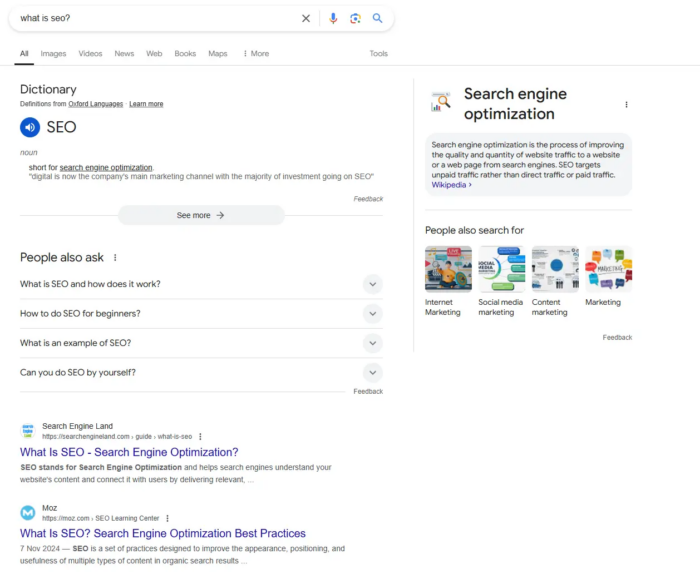
Search engine optimization is the practice of improving your website and its content to rank higher in organic search results on engines like Google.
Good SEO boosts your visibility, which can lead to increased website traffic and more conversions.
A well-structured SEO strategy involves:
- Detailed keyword research
- Optimized pages for readability and user experience (UX)
- High-quality content that generates backlinks
- Improved layout, responsiveness, and speed of your web pages
SEO attracts visitors who are actively looking for your product or service. It can help establish brand authority, which builds trust among customers, search engines, and AI models. It can also help get more eyeballs on your content without relying as much on ads, but it takes time to work. It’ll likely be months before you see results, but it’s well worth the wait and effort.
With Google and most other search engines now offering AI Overviews above organic search results, SEO strategies are continuing to evolve. Some of the best digital marketing tips to stay competitive with these AI-generated answers include:
- Using a clear heading hierarchy to better organize your website and break content into smaller, more concentrated sections
- Writing direct answers to the top queries you’re hoping to rank for
- Creating strong E-E-A-T (experience, expertise, authoritativeness, and trustworthiness) signals. Writing from the first-person perspective, including author credentials, and using valid sources help establish the first three qualities. This helps lead to trustworthiness, the point when other valued publications quote or reference your work.
Search Engine Marketing (SEM)
Search engine marketing is all about promoting a website through paid advertising.
The most popular form of SEM is pay-per-click advertising, like the ads you see on Google, Facebook, and other social media sites.

SEM works through an instant auction process. Advertisers place a bid for a particular keyword or serve their ad to a customer who matches their key demographic.
The SEM platform then chooses which ad to serve based on a variety of values, including:
- Bid amount
- Ad relevance
- Ad quality
- Expected performance
- Estimated value to customers
The main advantages of SEM are that it delivers fast results and has many precise targeting options, making it easy to reach the people most likely to convert.
However, it can be costly, especially if you don’t have a well-thought-out strategy behind it, and it stops working when you stop paying.
If you use Google’s Performance Max and Responsive Search Ads, you should consider slightly different SEM strategies. The programs use machine learning to generate and test ad copy combinations automatically. This frees you up to make higher-level decisions about campaign direction and create broader content, rather than focus on detailed keyword lists.
Content Marketing
Content marketing is a digital marketing strategy that involves creating high-quality, valuable content to attract and engage audiences.
This type of online marketing can come in many forms, including:
- Blog posts
- Case studies
- E-books and white papers
- Email newsletters
- Podcasts
- Infographics
- Quizzes
Rather than taking the direct sales approach, content marketing educates, entertains, or addresses consumers’ pain points. Over time, this develops a connection between a brand and its audience, making them more likely to become buyers.
According to a Content Marketing Institute survey of 980 B2B marketers:
- 87 percent say content marketing helped create brand awareness
- 74 percent say it generated more demand or leads
- 52 percent say it grew loyalty among existing clients or customers
- 49 percent say it helped generate sales or revenue
While content marketing is highly effective, it can take time to create great content that resonates with your target audience.
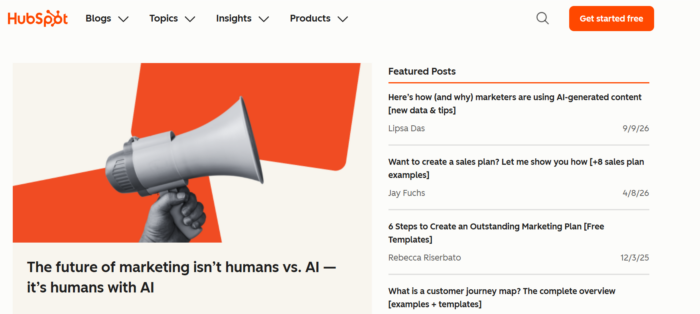
HubSpot is an excellent example of a brand that uses content marketing to its advantage.
It uses a combination of blogs, newsletters, videos, and podcasts to connect with its audience. It also provides free templates, e-books, workbooks, and courses that nurture prospective customers and encourage them to reach out when they’re ready to buy.
Video Marketing
Video marketing is when businesses use video content to promote their products or services—whether on a website, social media, or a platform like YouTube or Vimeo.
Short-form videos, like those on YouTube Shorts, TikTok, and Instagram and Facebook Reels, are the fastest-growing content format in recent years, engaging billions of users and acquiring trillions of views.
Around 78 percent of global smartphone users actively engage with short-form video content. The short-form video market, in particular, is estimated to be valued at more than $13 billion in 2026 and is expected to more than double by 2035.
The good news is, it’s easier than ever to make and upload a video. All you need is a smartphone with a camera and an internet connection, and you’re good to go. Still, there is a lot of competition online. This means you need to make sure your videos stand out from the rest.
Social Media Marketing
Social media marketing uses platforms like TikTok, Instagram, X, and YouTube to reach your target audience. It’s also a good way to create brand awareness and promote products or services.
Regularly publishing content can drive website traffic, build customer relationships, and enhance sales. You can also use paid social advertising to more precisely target users.
The vast audience base and access to a wide range of analytics are the main advantages of social media marketing. The sheer amount of content on social media, plus changing platform algorithms or policies, are some of the biggest challenges to look out for.
To be successful with this digital marketing technique, it helps to focus on the best social media platform for your target audience and engage with them regularly. Marketers who try to build a strong presence on every platform tend to underperform on all of them.
Wendy’s is a brand that stands out on social media. The fast-food chain isn’t afraid to poke fun at its competitors and takes the time to engage with followers playfully.

Influencer Marketing
Influencer marketing is when a business collaborates with a high-profile, trusted, authoritative personality on social media to promote products or services.
Influencer approval of a product or service can be an effective way to reach a wider audience and build trust. More than three-quarters (76 percent) of Americans say they follow influencers on social media, and 66 percent say they’re more likely to remember a brand that influencers recommend, compared to one they see in traditional advertising.
While influencer marketing can build brand awareness and target new customers, it’s vital to plan a thorough campaign. Choosing an influencer who shares your values and has a track record of creating compelling content is essential.
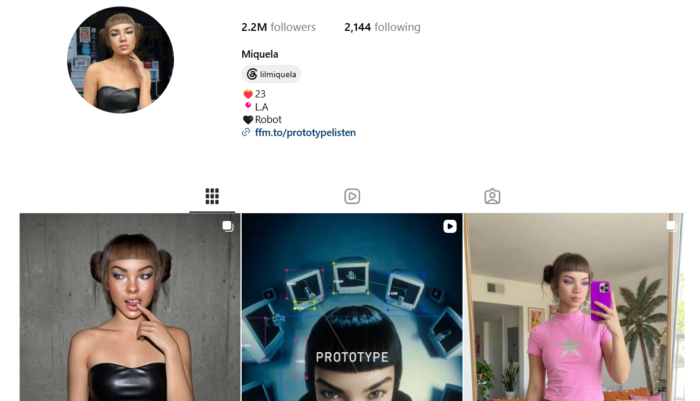
AI-generated influencer content and actual AI influencers are also beginning to compete for ad dollars and attention. The global virtual influencer market topped $6 billion in 2024 and is only expected to grow. Keeping an eye on this emerging dynamic can help you navigate the changing market.
Affiliate Marketing
Affiliate marketers promote products and services through mailing lists, website content, YouTube, and other online marketing platforms.
When a buyer clicks on an affiliate link and completes a purchase, the affiliate marketer earns a commission through a unique tracking link.
Affiliate marketing works hand in hand with influencer marketing. Influencers can advertise products and services to their followers and receive additional income.
As a digital marketing strategy, affiliate marketing gives your products and services a much wider reach and is cost-effective, as you only pay when an affiliate makes a sale. On the negative side, affiliate schemes can be challenging to manage, especially if you work with many affiliates.
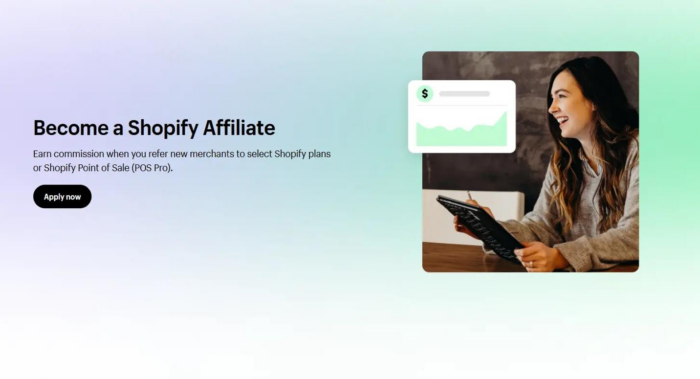
Shopify offers up to $150 for qualified referrals, but there are other affiliate marketing platforms out there, too. Here are some of my favorites to inspire your affiliate marketing strategy.
Email Marketing
Email marketing works by encouraging users to sign up for mailing lists through lead magnets, websites, and opt-in forms. Buyers might also sign up for a newsletter when buying a product or service.
Email marketing is one of the most popular, cost-effective digital marketing channels, with an average ROI of $36 to $45 for every dollar you spend. This is because you’re sending highly personalized content to people who have actively signed up to hear more about your products and services.
The biggest challenge of email marketing is legal compliance and ensuring that your use of email complies with regulations, including the CAN-SPAM Act and the GDPR.
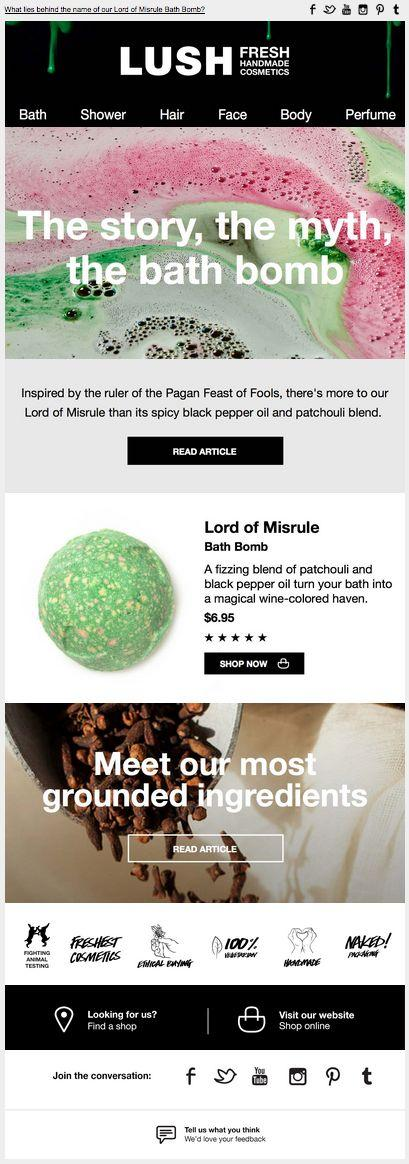
Lush is just one company embracing email marketing. Its emails are bright and vivid, in line with its brand identity, and they feature recommended products and fun elements like videos and quizzes, which is another digital marketing technique to keep customers engaged.
[source]
OTT Advertising
Over-the-top (OTT) advertising is when businesses advertise on streaming platforms or devices to reach prospective customers.
More people use streaming services than ever before. A whopping 89 percent of U.S. households with access to the internet have at least one streaming subscription, according to the research firm Parks Associates. Among them, 45 percent watch free services that include ads. Further, 59 percent subscribe to video-on-demand services using the basic tier, which still includes ads.
The key benefit of OTT advertising is the many platforms and advertising options to choose from—everything from Netflix and Hulu to smaller, more niche platforms. More people watch streaming services than subscribe to satellite or cable, and an estimated 9 out of 10 Americans under age 50 consuming streaming programs.
However, it’s trickier to track the customer journey than on other digital marketing channels. This means it’s harder to see if your advertisements lead to sales and conversions.
SMS Marketing
Short message service (SMS) marketing involves sending text messages that promote your products and services directly to people’s phones.
As well as sending special deals and discounts, you can send appointment reminders and ask customers for feedback.
Ninety percent of people open a text within three minutes, making SMS marketing a fantastic way to reach your customers with marketing and promotional offers.
However, with the rise of spam and scam messages, people can be reluctant to share their phone numbers.
As far as digital marketing tips go, having a solid privacy policy that states how you will use customer data is essential. It can help build trust and encourage people to give you their number.
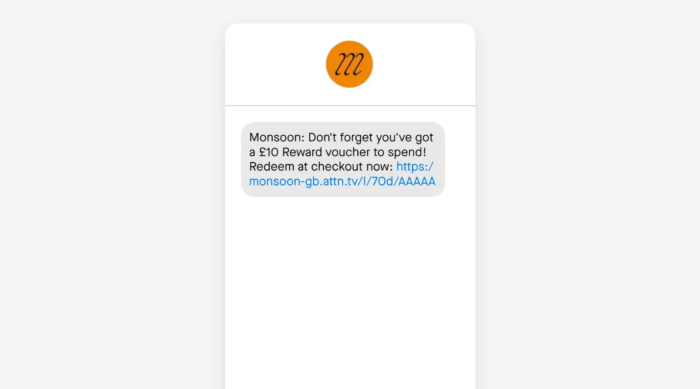
Clothing brand Monsoon embraced the power of SMS marketing and boosted online sales by 10 percent by offering discounts.
Native Advertising
Native advertising is designed to blend into the platform it appears on, matching the look, feel, and function of a page to create maximum impact.
This type of digital marketing guides users through ad content in a gentler, more familiar way. That can help build trust and make the overall user experience much more pleasant.
It can also create results. The native ad market was more than $146 billion in 2025, and is estimated to reach more than $300 billion by 2031.
Native advertising is adaptable to a number of formats, including:
- In-feed ads, appearing on a user’s news feed or content stream
- Sponsored posts on social media
- Promoted listings in search results
- Recommended content widgets on news sites
It’s important to note that native ads should always be disclosed as ads, in some way. Failing to do so is against the law, and it can destroy user trust in a brand.
Marketing Automation
Marketing automation lets computers take the lead on certain aspects of marketing campaigns.
Workflows are developed to direct the technology to manage repetitive tasks, such as:
- Collecting data from user actions, like sign-ups and purchases
- Sending nurturing emails or texts based on website interactions
- Orchestrating multi-channel campaigns from a single platform
- Monitoring customer engagement to determine when they’re ready for outreach (lead scoring)
New AI marketing technology has taken automation to another level. Programs like Meta’s Adromedas and Google’s Performance Max take granular audience targeting to scale, matching ads to individual users from enormous fields of potential buyers.
These programs use the creative itself to find the right customers. Instead of ads tailored to highly-specific audiences, broader copy gives the AI the biggest base to work with. Producing high-quality and high-volume creatives is the best way to make this type of automation work for you.
Omnichannel Digital Marketing
Omnichannel marketing is the practice of creating a seamless experience across all the marketing channels you use.
Using multiple channels to reach your customers is one of the most reliably successful digital marketing tips. But even across these various platforms, it’s essential to keep a consistent branding and communication style.
For example, let’s say a prospective customer finds out about you through a Google search ad. They check you out on social media and then sign up for your email list. The higher quality and more consistent the experience across channels, the more likely they are to buy.
Digital marketers who use three or more channels in one campaign see 250 percent more consumer engagement than those using single channels.
Mapping the customer journey is key. Identify your customers and the platforms they use, then optimize your channels to provide the best experience.
How AI Is Changing Digital Marketing in 2026
[source]
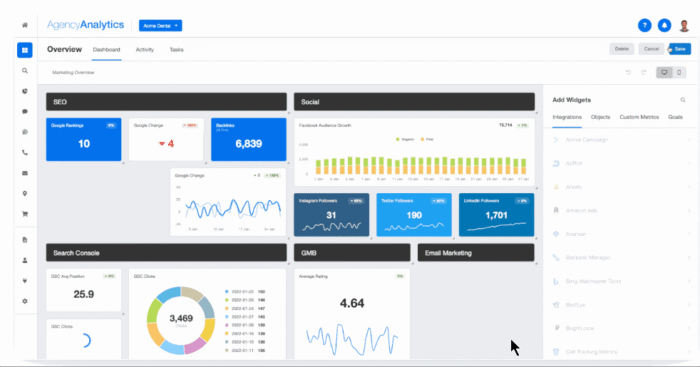
One of the biggest changes to digital marketing in 2026 and beyond is artificial intelligence. Machine learning has flipped the script on creative ad strategy and how paid advertising is managed. At the same time, AI-powered content has flooded the market and created mistrust among many users.
In any case, AI is likely here to stay, so it’s important to understand all its uses and applications.
AI-Powered Content and Creative
One of AI’s widest applications is in content creation. When it comes to digital marketing, this has had a two-tone effect: lowering the barrier to entry but raising the bar on what constitutes “good” content.
In other words, AI makes it easier than ever to create content, but the sheer amount of new content on the market makes it even harder to stand out.
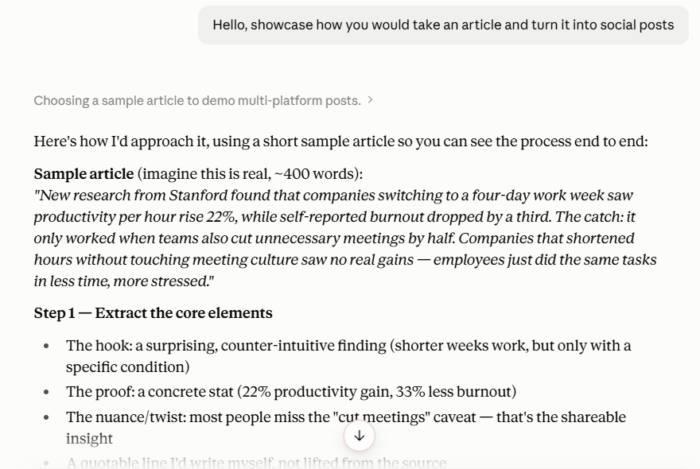
The way to rise above the AI noise in 2026 is developing a genuine brand voice, powered by original research and first-hand human expertise. Following E-E-A-T guidelines is a good way to establish yourself as a trustworthy and worthwhile business or brand.
AI can still be helpful, however. It makes a great starting point, in terms of developing outlines, drafts, or ideation. It’s also useful for things like variant testing. But ultimately, human editorial judgement should determine what the final product looks like.
AI in Paid Advertising
Google’s Performance Max and Meta’s Advantage+ programs use machine learning to generate, test, and optimize ad campaigns simultaneously across multiple platforms and channels.
In terms of SEM, AI can guide smart bidding to generate a higher target return on ad spend (tROAS) and a lower cost-per-action (CPA). The technology handles bid adjustments in real time, making it far more nuanced and reactive than even the best human managers. Still, it’s important to understand how AI bidding works before building any in-house policies, and to look for agencies with experience managing AI-driven campaigns when consulting with PPC experts.
By allowing AI to take over more tedious tasks, human digital marketing managers can step away from the detail work to manage higher-level goal setting and creative strategy.
AI-Powered Personalization
AI technology has access to a vast ream of customer data and a huge trove of ads, allowing it to deliver personalization at scale, and in real-time. This translates to a number of advantages. AI-driven personalization can:
- Increase revenue by 5 to 8 percent
- Enhance customer satisfaction by 15 to 20 percent
- Reduce the cost to serve up to 30 percent
When combined with thoughtful marketing automation strategies, personalization becomes even more powerful. Machine learning can be used to intuit what your customers want, when they want it, making your ads more anticipatory than reactive. This also frees you up to focus on higher-level goals.
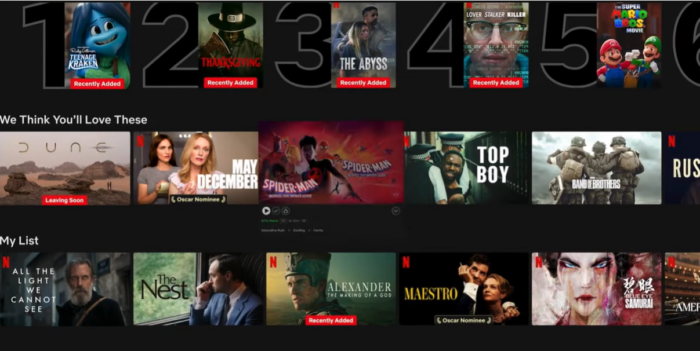
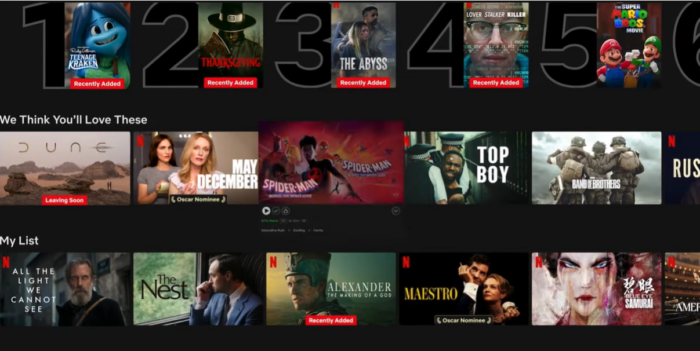
Streaming services like Netflix are a prime example of how this strategy works. Using AI-powered personalization, Netflix can suggest certain shows to customers based on their previous watch history and other metrics. This increases the odds that those customers will stay on the platform.
AI Search and GEO/AEO
Search engine optimization is still an important digital marketing strategy. But content should now be optimized with AI in mind, too.
Creating content to answer a cluster of related questions (i.e. What is digital marketing? What are good digital marketing tips? How can I get better at digital marketing?) helps your work become more visible across various AI platforms.
Maintaining consistent product information across all platforms is also important, both for improving the accuracy of AI responses and increasing the likelihood of citation.
For written pieces, it’s good to imagine AI-generated summaries. Using your cluster of questions as headings, write the answers in a way that would be easy for the machine to extract and replicate.
Many AEO/GEO strategies mirror SEO fundamentals. Building strong E-E-A-T signals and producing content that AI systems consider authoritative is still important. The biggest difference is that SEO helps your website rank on traditional search engines, while AEO focuses on building content that AI models and voice assistants can extract from directly.
If you’re interested in learning more, NP Digital offers AEO/GEO services that provide tips and tools for success with these strategies.
4 Steps to Build Your Digital Marketing Strategy
Whether you run an established business or a small start-up, a well-executed digital marketing strategy can help you achieve your marketing objectives and grow your business.
If you’ve never developed a digital marketing strategy, the process can feel intimidating. Fortunately, there are only four key steps to keep in mind.
1. Research and Understand Your Audience
Before getting started with digital marketing, you need to understand who your target audience is. This is the group of people most likely to buy your product or service.
Researching your target audience helps you identify the right digital marketing channels to use, the messages you want to convey, and how you can solve their problems.
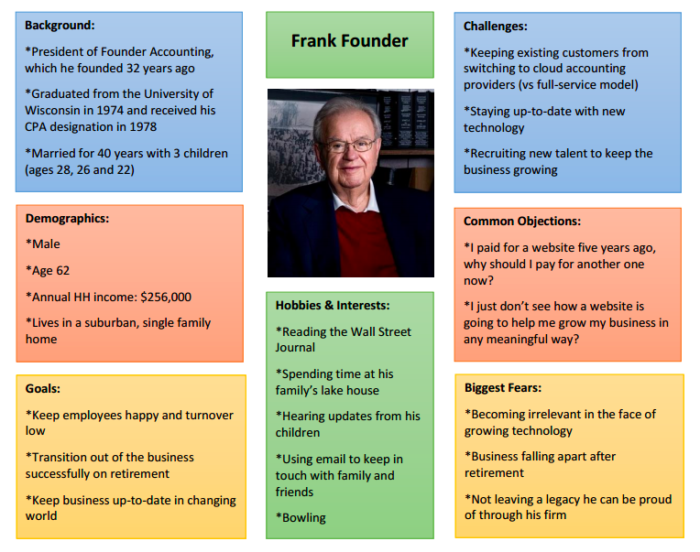
I recommend starting with a general idea of your ideal customer. You can then use data to narrow down your audience.
For example, let’s say you initially identify that your target audience is young men working in sales. You then carry out market research and competitor analysis and discover that your target audience is men working in sales, between 25 and 35 years old, living in Colorado, with a monthly income of $4,000 to $6,000.
Once you’ve nailed down your target audience, you can determine what type of content they like to consume, which social media platforms they use, and which websites they get their news from. First-party data generated from email behavior, site analytics, and customer relationship management (CRM) makes a solid foundation for audience research, especially as third-party cookies become less reliable.
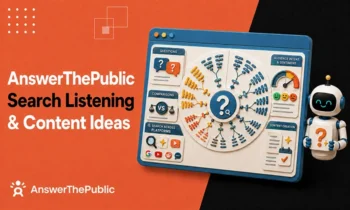
Tools like BuzzSumo or AnswerThePublic make this digital marketing strategy even easier, by picking up on trending content and social listening to generate ideas for your target audience.
2. Set Digital Marketing Strategy Goals and KPIs
Setting goals and key performance indicators (KPIs) makes it easier to track your digital marketing channels and gives you something to work towards.
KPIs show how effectively you’re achieving your business objectives and help you measure your goals. Good examples of KPIs to track include:
- Conversion rates
- Social media engagement
- Click-through rate (CTR)
- Customer lifetime value (CLV)
- Share of voice in AI search results
- Email open rates
- Organic traffic retention, post-AI Overview rollout
Quality beats quantity. It’s better to monitor one or two KPIs thoroughly than several KPIs that you can’t do anything with.
When setting goals, make sure they’re SMART (specific, measurable, achievable, realistic, and timely):
- Specific. What do you want to do?
- Measurable. How will you know when you’ve reached it?
- Achievable. Is it in your power to accomplish it?
- Realistic. Can you realistically achieve it?
- Timely. When exactly do you want to accomplish it?
For example, “I want to increase sales on my website” isn’t a SMART goal.
However, “I want to increase sales on my website by 20% by the end of the year, through the use of SEO and PPC advertising” is a SMART goal.
3. Choose Your Channels and Create a Digital Marketing Strategy
Once you’ve determined your target audience and goals (as well as worked out your budget), you need to identify which marketing channels to focus on.
If this step stresses you out, don’t worry. One of the reasons this decision can feel so intimidating is the fear of investing in a channel that won’t work.
I recommend starting with a small, hyperfocused campaign. This lets you see if a marketing channel is right for you without spending thousands of dollars.
For example, are you interested in paid social media ads? Set a goal, implement a small marketing push, and analyze how valuable paid social ads are to your brand.
If you see success, you can increase your paid social budget. If you don’t see success, you may want to adjust your strategy.
Crafting a balance of paid and organic channels is another important digital marketing strategy, as these offer different benefits. Paid channels will deliver results quickly, but they stop working once you stop paying. Organic channels take longer to develop but have staying power and even build over time.
For example, organic-dominant businesses have a median customer acquisition cost that’s 41 percent lower than other businesses. But that type of efficiency only accrues after establishing organized, optimized content libraries. Paid advertising helps that content gain traction in the first place, buying time for customers to learn about and engage with organic campaigns.
4. Continue Improving
Between algorithm tweaks and lightning-fast trends, the internet is a fickle place. To keep up, digital marketing strategies should be regularly reviewed and changed as needed.
A/B testing is a time-honored technique for gauging what your customers like, want, or respond to. Even if you’re using Andromeda or other AI marketing programs, these algorithms still require diverse creative options to help them pinpoint the best possible audience. In these cases, A/B testing would focus more on broader concepts than incremental changes to copy.
Expanding the digital channels you use can be another way to shake things up. You may find a different, or even better, audience hiding in plain sight. Just remember the importance of consistency when using omnichannel marketing.
Monitoring KPIs is also important. This can be a tell that something isn’t working. Is your ROAS shrinking? Your CPA growing? If so, it’s time to investigate further. Are these changes related to poor cash flow management, or do they point to bigger problems with your targeting and creative campaigns?
Savvy businesses know that it’s not about short-term gains but long-term wins. Growth is not always linear, and sometimes, experimentation is necessary to identify successful channels and campaigns.
The best digital marketing tips will remind you to keep collecting valuable data and developing sustainable plans to create continued success.
Essential Digital Marketing Techniques
These digital marketing techniques can help you execute your plan across multiple digital marketing channels:
- A/B testing. This is a good strategy if you’re unsure which version of your website, app, or other promotional material works best. A/B testing shows roughly half of your audience one version, and the other half another. You can use AI to help develop testing ideas and track audience data and responses.
- Conversion rate optimization (CRO). This helps you get more out of the audience you already have, by getting more of them to click, buy, or sign up. Heat maps and metrics like bounce rate and session duration can help you understand where the problems are. Address these needs, then run more analytics to see if the changes are helping or hurting.
- Retargeting. If a customer visited your site, but didn’t complete the action you want, you can gently remind them of their unfinished business. Targeted ads use cookies to show your ad to customers, even when they’re on different websites. Make sure to track conversion rates to understand if this digital marketing technique is working.
- Marketing attribution. Identifying which touchpoints are delivering your sales or conversions can make a huge difference in implementing the best digital marketing strategies. Analyzing ad clicks, social media posts, email openings, and other outreach efforts helps you understand where your traffic is coming from, and what’s working best.
- Audience segmentation. Machine learning has changed the speed and scale at which ads can be personalized. This makes granular audience segmentation less important, but humans are still needed to interpret audience behaviors, and to craft business goals, brand voice, and other high-level strategies accordingly.
- Content repurposing. You don’t have to get rid of existing content every time you change your digital marketing strategy. Instead, consider ways to tweak the content you already have to share it in a different way, or with a different group of people. For example, a blog post can be shortened, refreshed, or turned into an infographic or video.
Partnering with a Digital Marketing Agency
Digital marketing can be rewarding, but it’s not without its challenges. For example:
- You might not have the time or resources to carry out effective digital marketing.
- You might have experience in SEO but don’t know where to start with social media.
- You may have a basic strategy in place but need help increasing your overall market share.
- If you need a little extra support, a digital marketing agency can determine the right digital marketing solutions for your problems.
A digital marketing agency can:
- Provide deep expertise. Digital marketing agencies have expertise in specific roles or industries due to their specialization and experience with multiple clients. When hiring an agency, you gain access to a team with diverse skills and networks.
- Offer scalability. With an agency, you don’t need to worry about hiring new staff as you grow, which means you can upscale effortlessly and quickly.
- Grant access to enterprise tools. Digital marketing agencies have access to premium digital marketing tools that will help you gather powerful data and get an edge over your competitors.
In 2026, how an agency deals with evolving digital marketing realities is especially important. When evaluating potential partners, make sure they:
- Integrate AI tools into their workflow
- Have GEO/AEO capabilities
- Are measuring and reporting on AI search visibility, alongside more traditional research metrics
Want to see if working with a digital marketing agency is right for your business? I have multiple agencies in various countries worldwide, all dedicated to helping businesses excel online.
FAQs
What is digital marketing and how does it differ from traditional marketing?
Digital marketing uses online channels to reach potential customers. Traditional marketing uses offline methods, like print ads, TV spots, and roadside billboards.
Which channels are commonly included in a digital marketing plan?
Search engine optimization (SEO), search engine marketing (SEM), content marketing, video marketing, social media marketing, email marketing, over-the-top (OTT) advertising, and affiliate marketing are some of the top digital marketing channels. Which ones you include in a digital marketing strategy depend entirely on your plan, budget, and desired audience.
How can an organization measure digital marketing performance effectively?
Having specific goals and key performance indicators (KPIs) helps you track your various digital marketing channels and gives you something to work toward. Organizing performance data lets you understand what’s working and tweak your digital marketing strategies accordingly.
What role does content play within a digital marketing approach?
Content is the meat of your digital marketing strategy. It’s what helps you draw in, communicate with, and convert your target audience.
How do digital marketing agencies typically support campaign planning and execution?
A digital marketing agency can help you turn broad plans into specific business objectives or goals. It can advise which digital marketing channels may work best and help with audience research, content production, and data tracking.
Conclusion
Now you know what digital marketing is and how to do online marketing that drives clicks, leads, and conversions for your business.
No matter your ultimate goal or budget, you’re now well-positioned to put a digital marketing plan in place and start reaching new audiences.
Don’t forget that digital marketing requires continuous learning, and embracing existing and emerging tools is vital to stay ahead of the curve. The fundamentals of reaching the right audience with the right message at the right time remain the same, but the channels, tools, and tactics for doing it are evolving faster than ever.
At NP Digital, we can help you master both more traditional and emerging digital marketing techniques, to get the most out of your campaigns.