
 Sign In














People always ask me how the heck I’ve been blogging for over 10 years. And how I’ve written thousands of blog posts (4294 to be exact).
I usually tell those people that blogging is like any sort of long-term relationship. Some days are great. Others aren’t so great, but you’re in it for the long haul.
Blogging also requires a lot of time, and when you’re starting out, pretty much every day is a hustle.
In other words, blogging successfully takes a lot of work. But that doesn’t mean blogging has to be difficult.
After several years of blogging, I realized there was a process behind it all. I learned how to cure blogging burnout, and I pinpointed the important things I was doing to keep up my blog.
I still find myself working a lot, but it doesn’t feel like work. After you hit the gym for a while, exercising becomes just another part of your day. It’s the same with blogging. And these important things help to make it all easier.
Today, I want to share those important actions with you.
I’m not promising you’ll become a blogging sensation if you do these things, but I am promising that your blog will become better, and you’ll feel better about blogging.
Without further ado, here are 5 things that will help you never quit blogging and more importantly blog consistently like me.
Learn how I generated 195,013 visitors a month through blogging.
1. Identify and organize your tasks
Stop and think for a minute: What do you do during a typical workday?
By “workday,” I mean the time you set aside for blogging. Let’s say that’s an hour a day.
(If “scrolling through Facebook” is high on your list, your workday isn’t as optimized as it could be.)
You probably can’t name every little thing you do during that hour, but it’s important to be aware even on that tiny level.
You could be wasting time without realizing it. You don’t notice it, but it adds up. Even “good” things like double-checking (or triple-checking) your work can suck time away from you.
Here are some common time wasters, courtesy of Time Doctor:

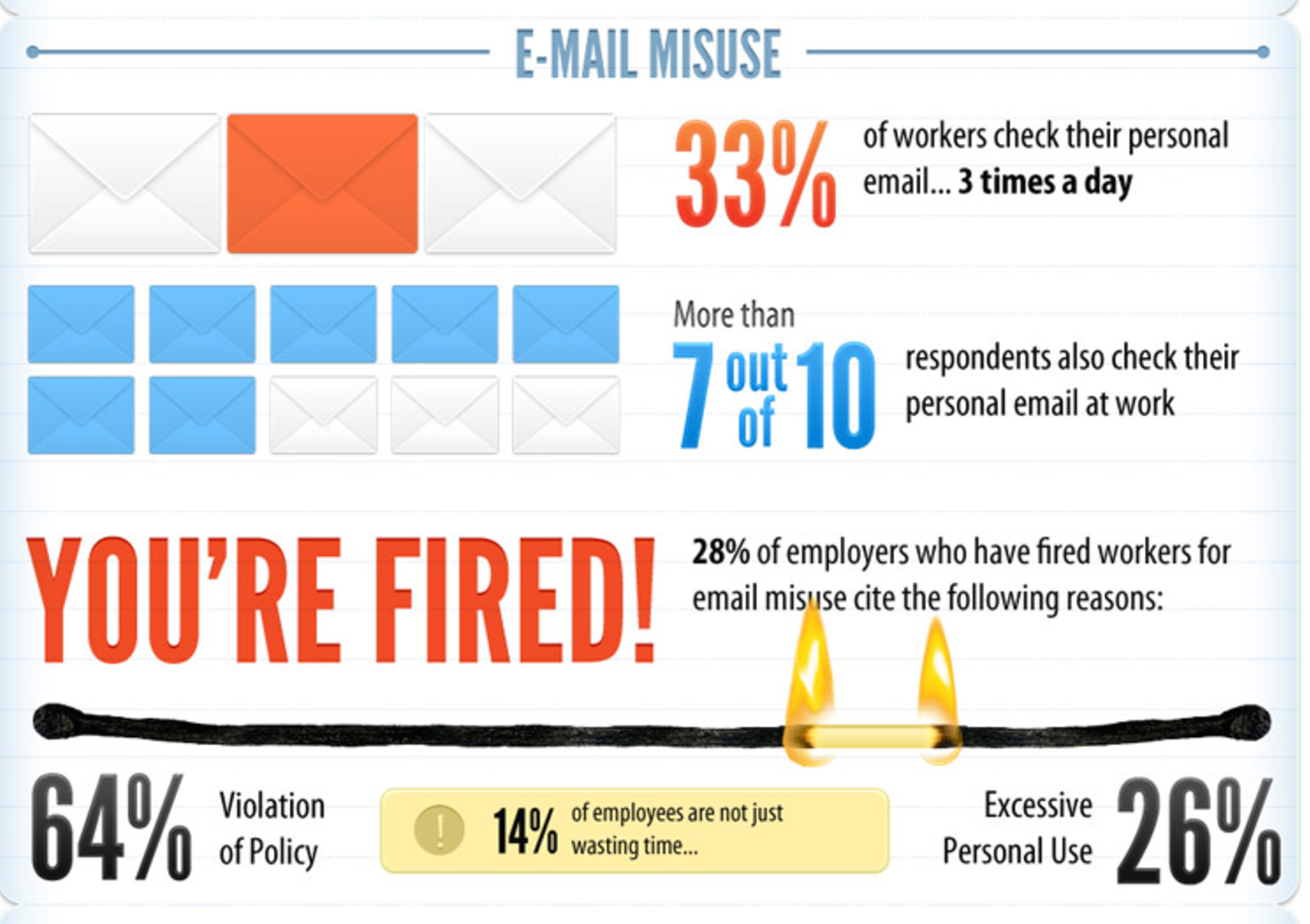
But identifying your tasks isn’t just about sniffing out wasted time. It’s also about putting yourself on autopilot so you get more efficient at everything you do.
So get out pen and paper or a new text document and write down everything you do in a typical blogging workday. Use timestamps to estimate how long each action takes you.
Don’t leave any small details out. If you refill your water bottle from 12:32 to 12:34, write it down.
This sounds intimidating, but there are some big payoffs.
First, if you’re wasting time, you’ll know what you’re doing and how much time you’re wasting. Then you can make changes to make your day more productive.
For example, if you find that you spend 10 minutes checking Twitter at the beginning of your blogging time, you’ll know you need to stop.
Second, once you know what you have to do, you can structure those tasks.
Try to break down your blogging workday into essential and nonessential tasks. Which essential tasks take priority over others? Map these out and find a way to measure what you’re accomplishing during any given workday.
Author and advisor Tim Maurer uses Trello to organize his daily tasks:
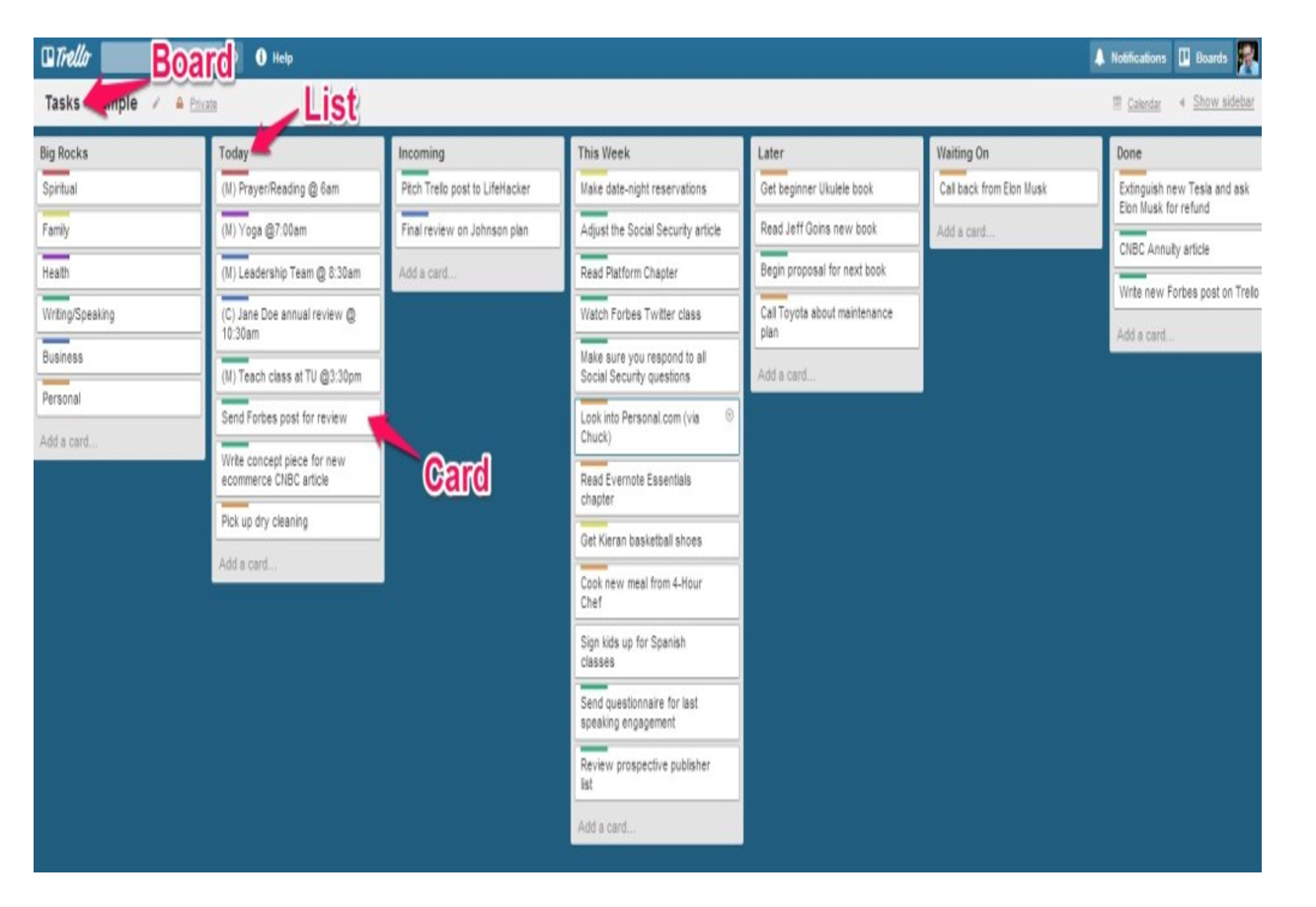
Here’s how you can use Trello to organize your tasks.
If you don’t already have a Trello account, visit Trello.com and click the big “Sign Up” button on the first page.

Fill in your information and hit “Create New Account.”
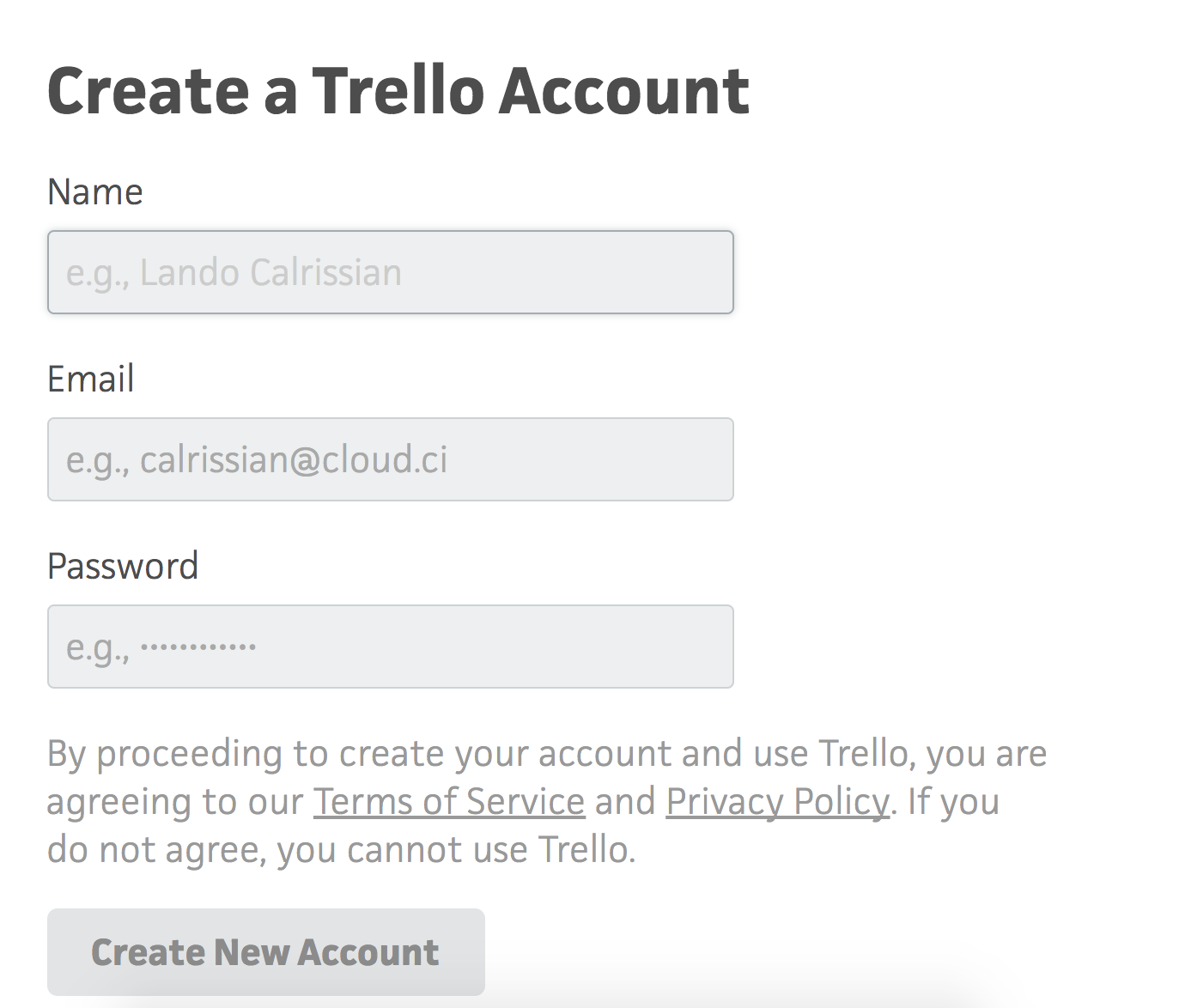
Once you’ve created an account, you’ll see this screen:
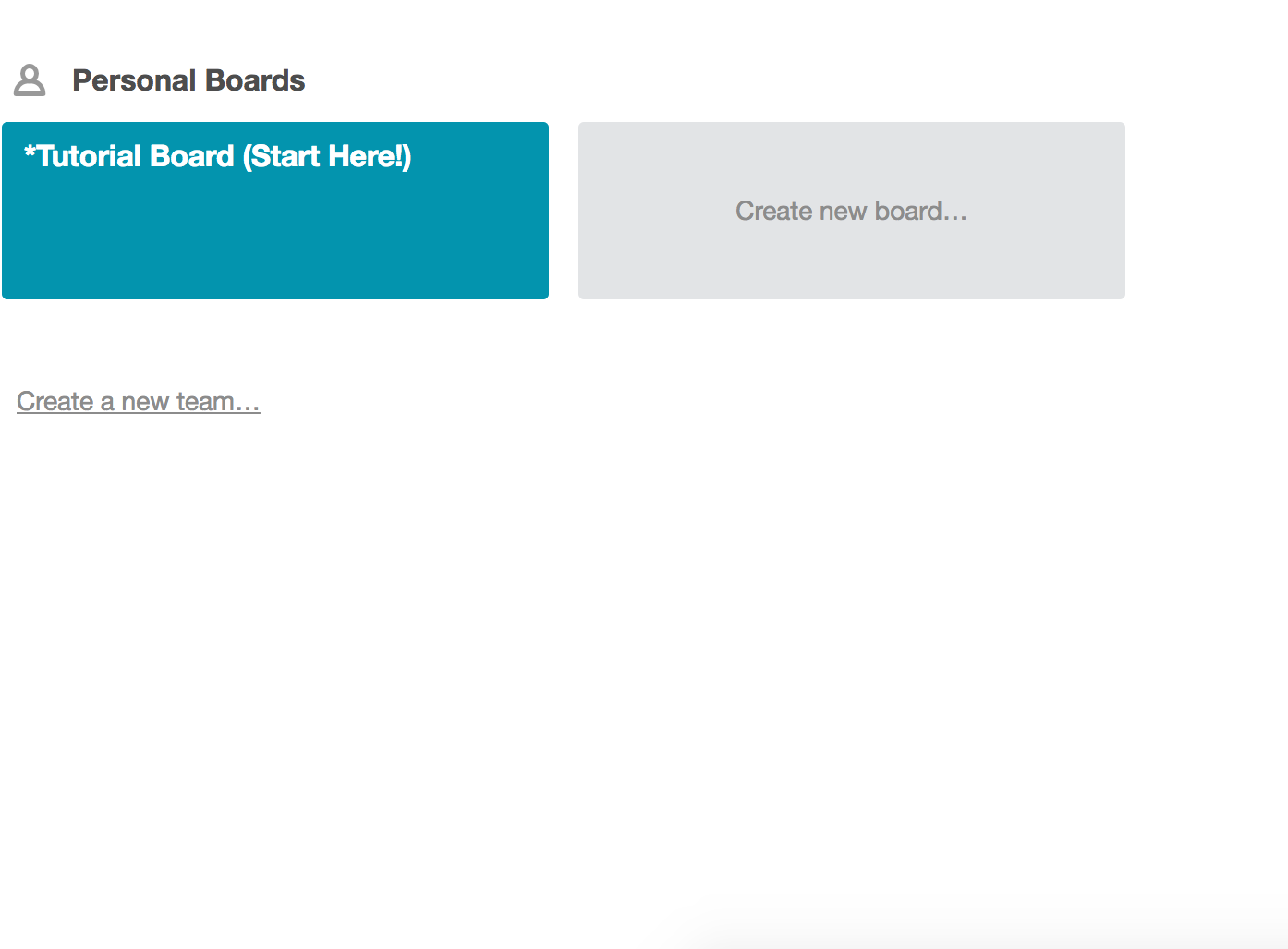
Click “Create new board…” Give your board a name (in our case, “Facebook Ads”).
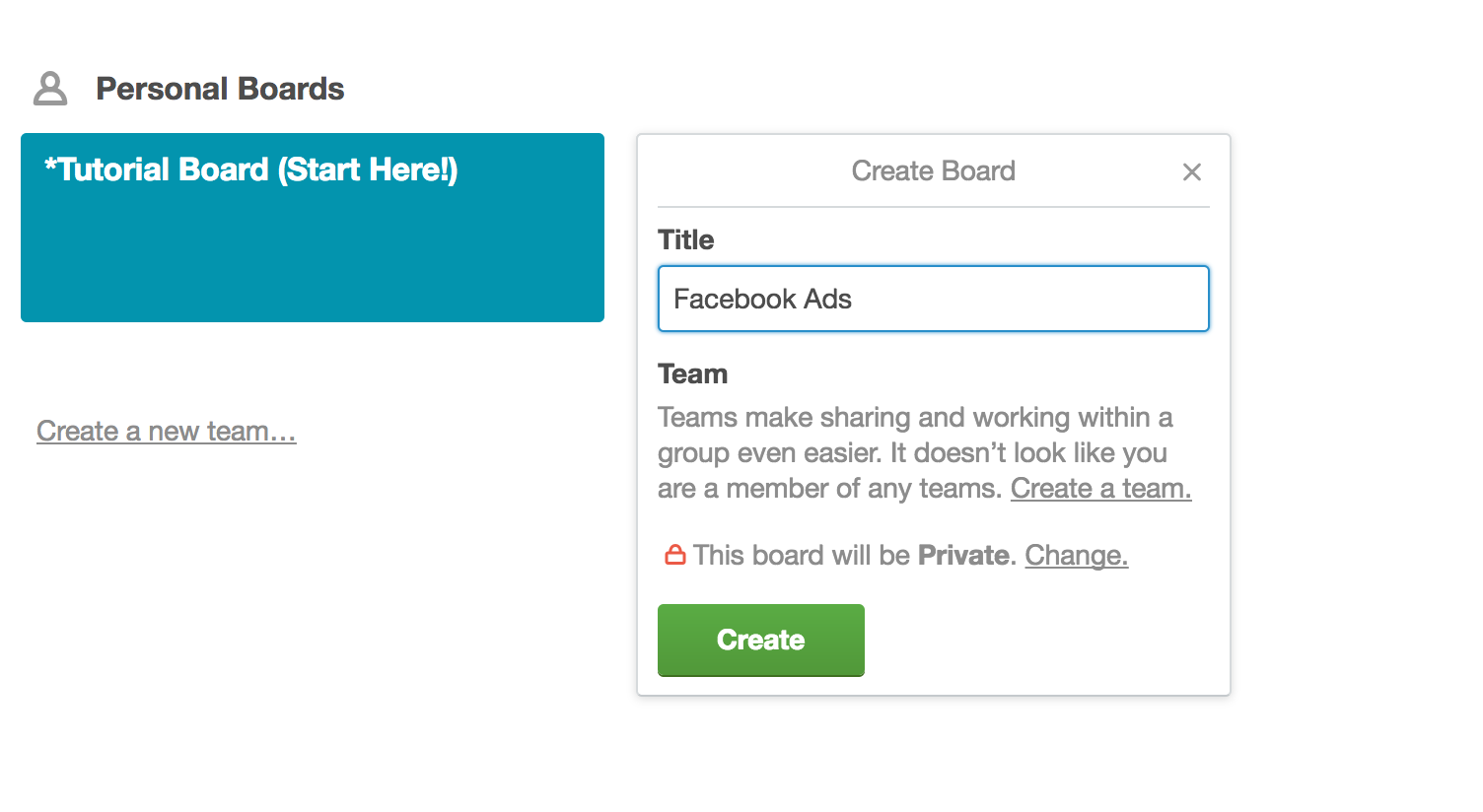
You’ll see an option to “Add a list…”
But what exactly is a list? Trello uses two main components: lists and cards. Lists are vertical columns that hold cards, which are the smaller parts.
In our case, lists will be for general categories, and cards will be the specific tasks for those categories.
Add a new list and give it a name:

Now you’ll want to add your tasks as cards. Click on the “Add a card…” button at the bottom of each list to add a card to that list.

Now you can customize your cards. For example, if you have “Facebook ads” as a general category, you could list things like “change CTA” and “increase budget” as cards in your list.
A sample list might look something like this:

When you click on cards, you can edit them in this screen:
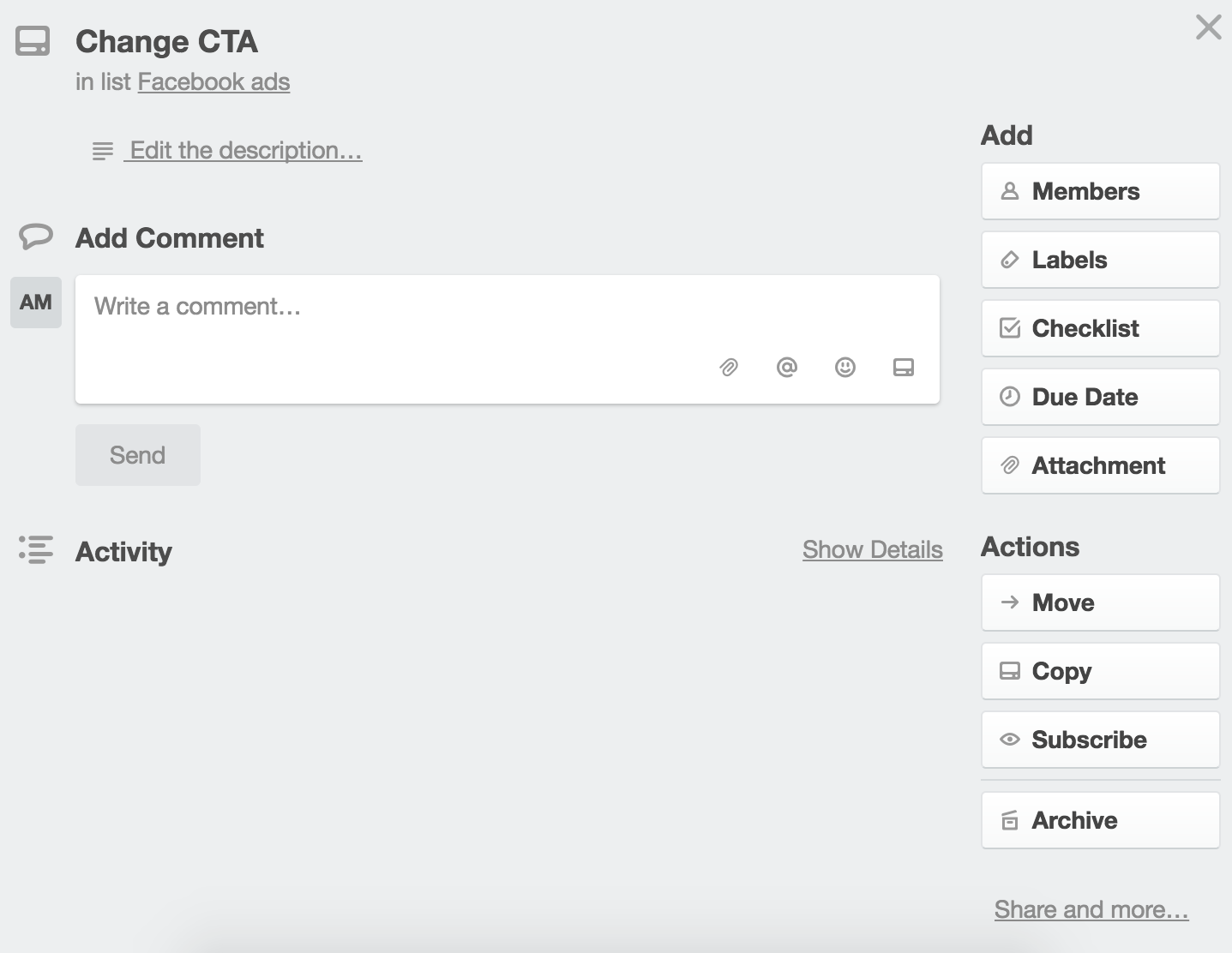
Organizing your tasks will allow you to put your mind on autopilot. You won’t be stressing out over every little task. Instead, you’ll know how to navigate all the bumps that might get in your way.
You’ll be amazed at how much this process will improve your productivity.
2. Write down 10 ideas every single day
I’m not a genius when it comes to having ideas. In fact, some of my ideas suck.
But not all of them do, and that’s what matters.
Truthfully, everyone has tons of great ideas inside their heads. (Yes, that means you too!) But too many people never realize this.
The way to get good ideas is to get lots of ideas and throw the bad ones away.
And that’s exactly what you should do. Specifically, you should try to write down at least 10 ideas every single day.
They don’t have to be good ideas––they just have to be ideas. You can weed out the bad ones later.
There are lots of ways to record your ideas, but James Altucher recommends carrying a waiter’s pad with you at all times.
Why? Altucher’s explanation:
A waiter’s pad fits in your pocket so you can easily pull it out to jot things down.
It also forces you to write down your ideas in compact form so you capture them right away. You want a list of quick ideas, and a waiter’s pad is ideal for that.
Some great blog post ideas can come out of ideas that seem silly at first. Take this post by Kevin J. Duncan of Be A Better Blogger:

Admit it––if you’d had that idea, you would’ve thought it was absurd. And it is! But it works.
Even absurd ideas have their place in the realm of blogging. In some cases, absurd ideas can be better than “normal” ideas for blog posts.
Don’t judge your ideas too quickly. Jot them down so you can evaluate them later.
The great thing about writing down 10 ideas a day is that you’ll become, as James Altucher says, an idea machine.
10 ideas may not seem like a lot. But in a week’s time, you’ll have 70 ideas. In a month’s time, you’ll have 300 ideas.
And if you write down 10 ideas a day for a year straight, you’ll have an unbelievable 3,650 ideas at your disposal.
Will you use all of those ideas? No way. But think of how many ideas you will use.
It’s a great habit to get into. Start today and don’t look back!
3. Write on the go
When you think of a writer at work, what do you think of? I’m guessing it looks something like this:

That’s Ernest Hemingway, picture courtesy of Biography.com. This mental image––sitting down at a desk, fingers on the keyboard or with pen and paper––is what a lot of people think of when they think of writing.
But that’s rarely what it looks like today. Even writing in a cubicle is becoming outdated. This is especially true for bloggers.
Bloggers work anywhere and everywhere. A desk at home, a coffee shop, a library––these are all fair game for bloggers.
In fact, I’ll often work on blog posts when I’m waiting in line or going on a car ride. (While I’m the passenger––don’t blog and drive!)
This is another reason you should carry a notepad or waiter’s pad around. You need to be able to jot down ideas the instant you get them.
The lesson here is that you can (and should) use any spare time you have to work on blogging. You might even come up with some new ideas you wouldn’t have otherwise thought of.
The most efficient way to do this is to work on your phone. Which brings us to #4:
4. Blogging on your phone
Phones are amazing. You can write, publish, and share an entire blog post right from your mobile device.
I’m going to show you a step-by-step process to creating an awesome writing process on mobile. You’ll be able to automate a large part of your workday without any hassle.
You’ll need a word processor that’s easy to use, and you’ll also need to be able to access all of your files on the go.
In my opinion, the best option is Google Docs, hands down. It’s cloud-based, and you can sync files between the desktop and mobile applications.
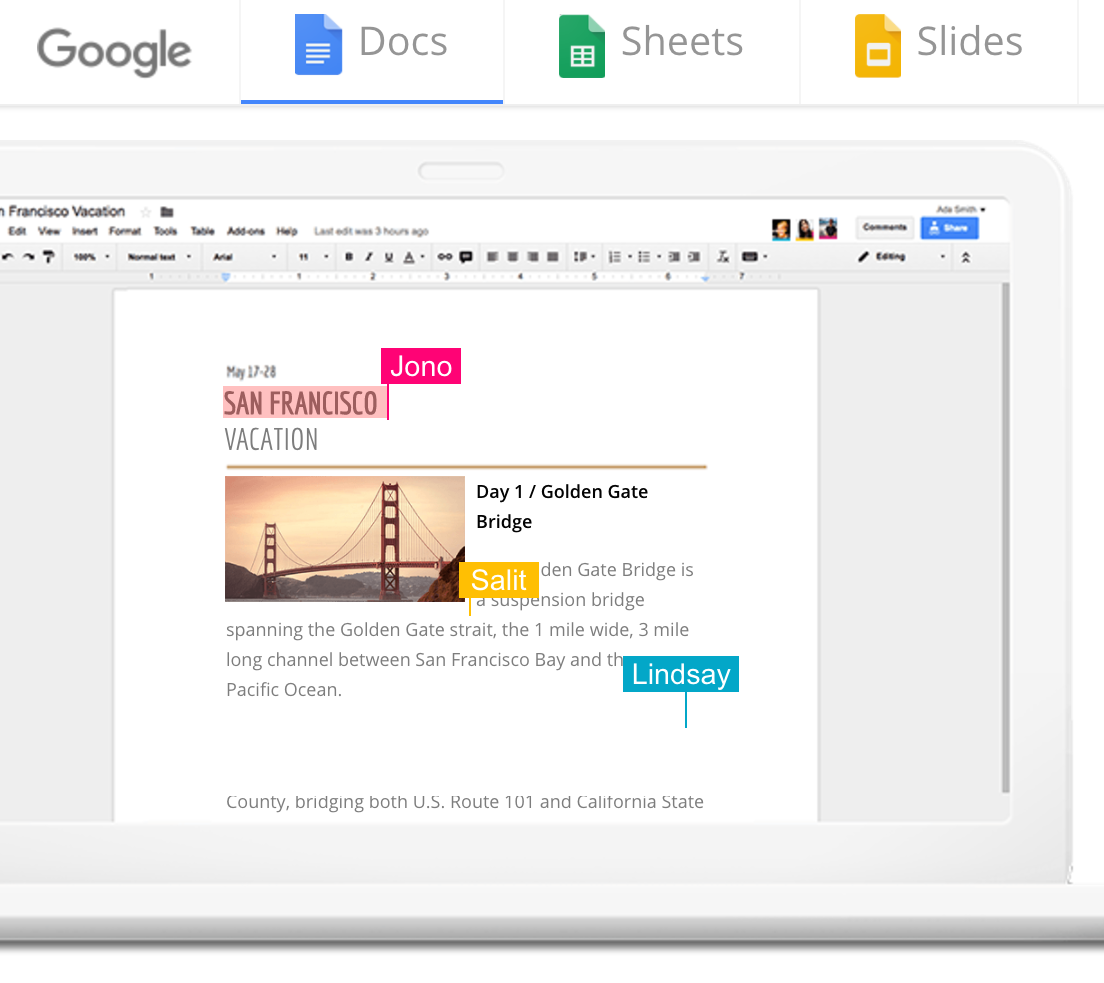
Google Docs gives you all the standard word processor abilities, and it’s also insanely flexible. Every article you see on my blogs had its birth in Google Docs.
Best of all, it’s easy to use on mobile.
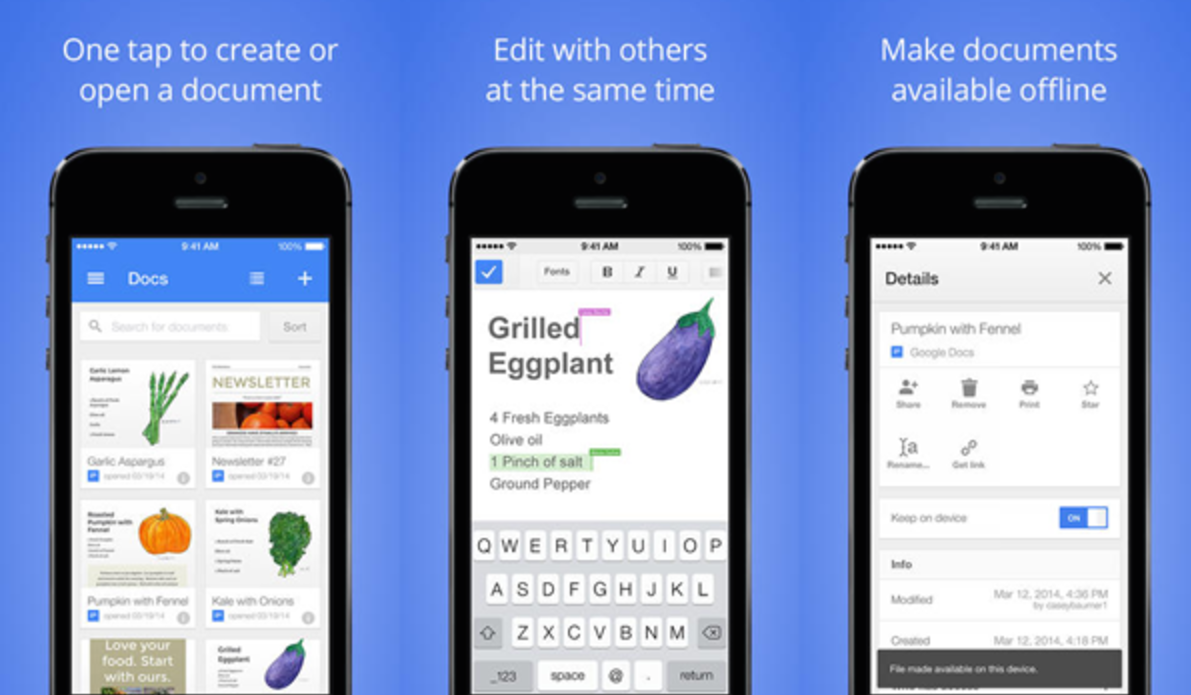
You can also use tools like Evernote or Microsoft OneNote, but personally I find Google Docs to be the best.
A lot of time when I’m taking an Uber or on a plane, I pull out my phone to work on my articles.
If I start a draft, I just make a note of it directly in the title.

And then I start typing…
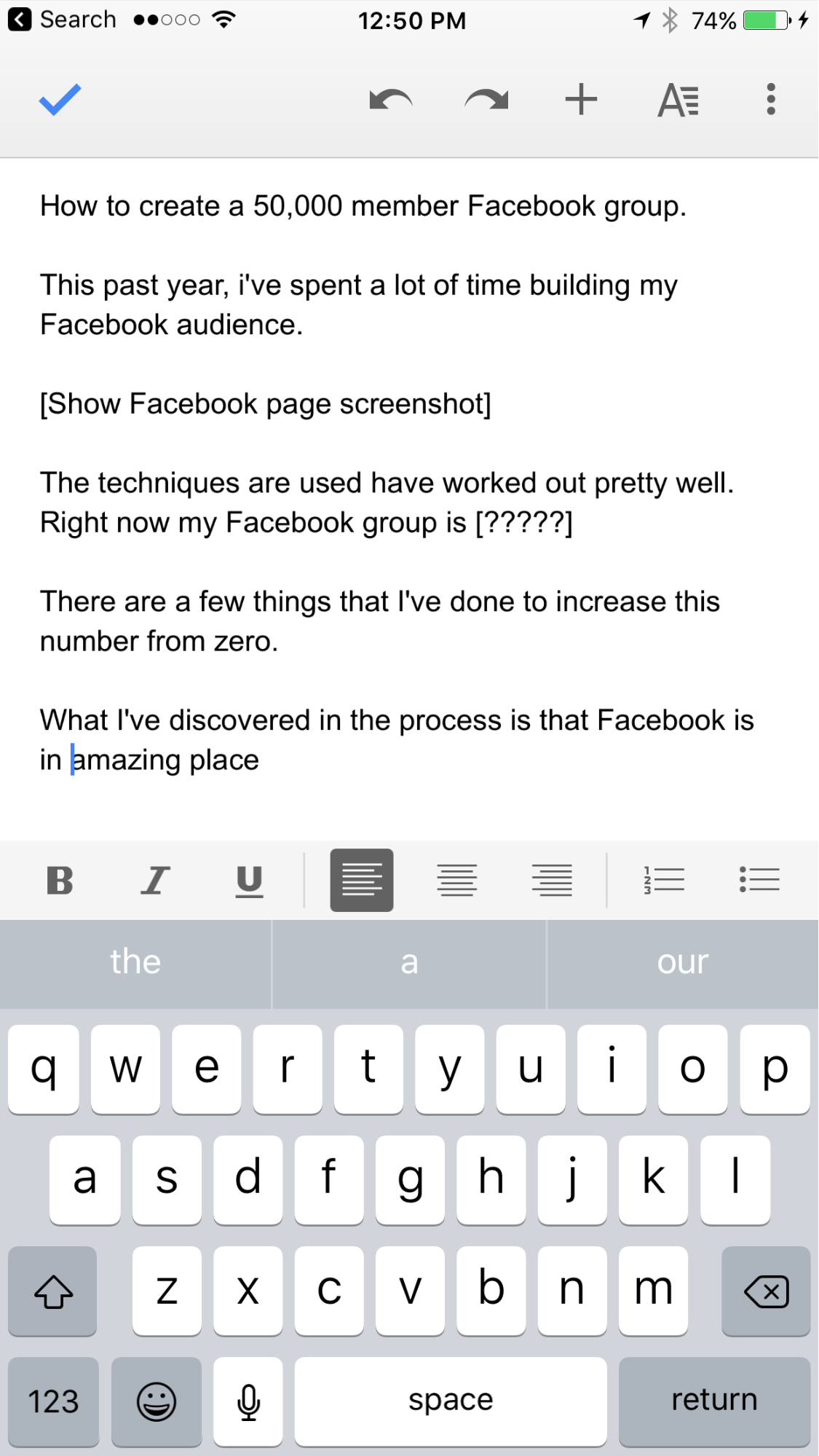
But what about the stuff you can’t do well on your mobile device, like research or finding media? I typically make notes in the text of what I need, and I make sure it’s bolded or highlighted so I notice it.
A lot of times, I’ll put stuff in brackets and then come back to it later.
Then, when I get to my computer, I run through the article and find all the necessary research and media.
This has saved me so much time. For a while, I wasted lots of time trying to do research on mobile. Unsurprisingly, it’s pretty difficult and not intuitive.
This isn’t the perfect process, but right now, it’s as good as it gets.
If you have a tablet, try to carry it with you as much as possible. I’d recommend carrying a physical notepad, a phone, and a tablet everywhere you go.
If you’re pressed for time and need to jot something down, write it on the notepad. If you have a little bit of time, use the phone. And if you want to record more involved ideas, use your tablet or laptop.
5. Automate your publishing schedule
A blog post is useless if you don’t publish it. More importantly, you need a publishing schedule that can be almost entirely automated.
Too many bloggers screw up their schedule by not publishing on time. And they’re not publishing on time because they haven’t automated their schedule.
You need to be able to painlessly schedule your posts, and I’ll show you how to do that on a WordPress site.
First, you should ideally write several posts ahead of time. I like always having at least a week’s worth of articles at any time, so I’m always a week ahead.
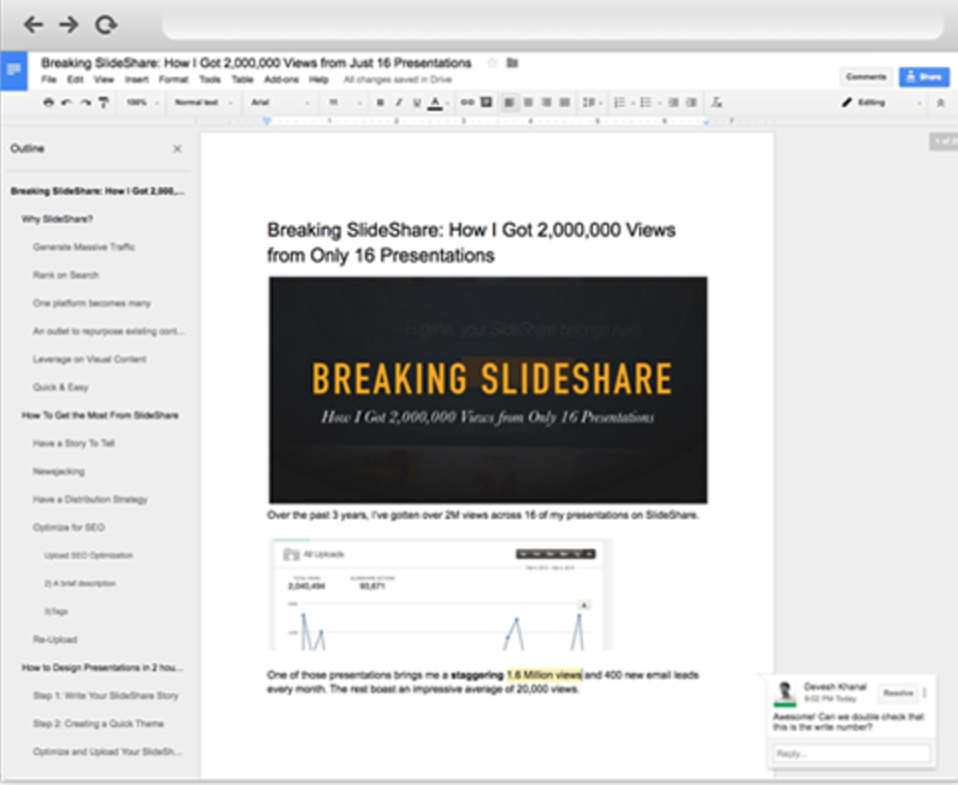
For this article, let’s say you’ve written your five articles in Google Docs.
Second, we’ll get your content off Google Docs and into WordPress using a great (and free!) tool called Wordable.
Wordable allows you to export your Google Docs straight into WordPress with a single click. Yep, you read that right.
And the best part: It preserves your formatting. Anyone who’s pasted a Google Doc into WordPress can tell you how awful it looks at first. With Wordable, your formatting stays exactly the same.
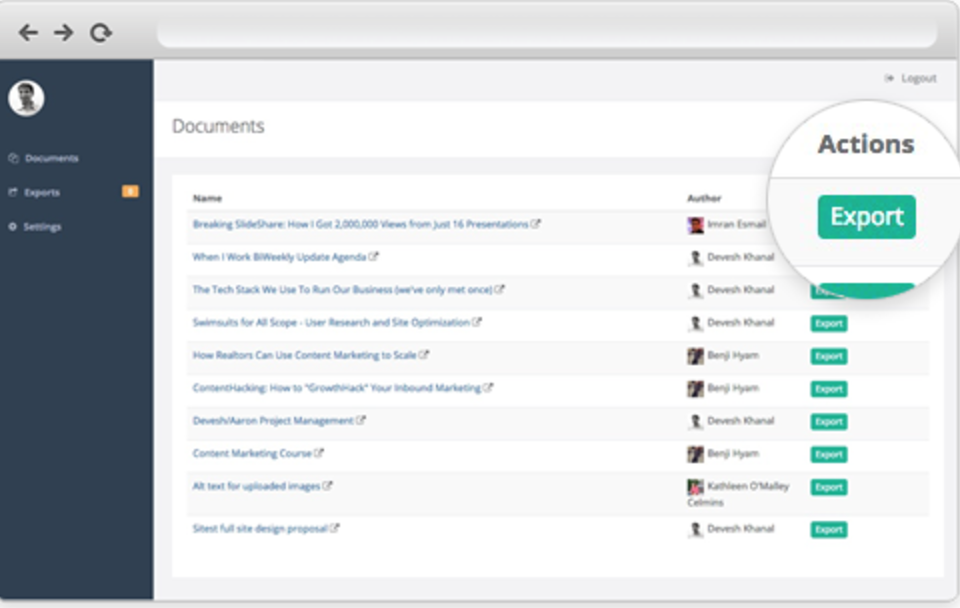
Once you’ve got your content into Wordable, you need to schedule it. With WordPress’s native options, you can only schedule one post at a time, which isn’t ideal.
So we’re going to use the Drafts Scheduler plugin to schedule multiple posts at once.
Once you have the plugin installed, make sure all your posts have been moved over from Google Docs. They should be drafts in the Posts tab.
Next, go to Posts > Drafts Scheduler.
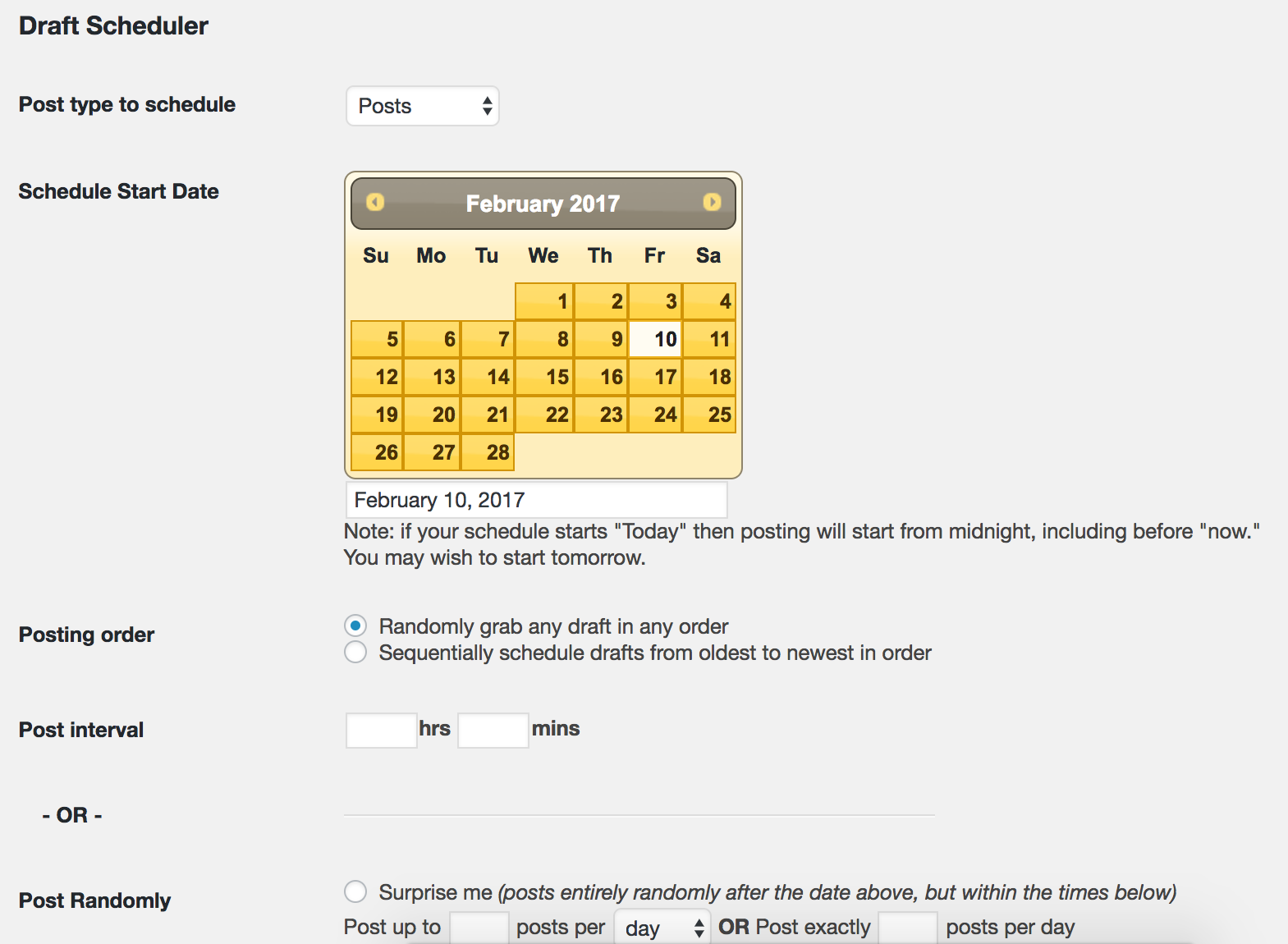
Make sure Post type to schedule is set to Posts.

Next, choose a start date for your posts. So if you wanted to schedule them for the week of the 12th, your start date could be that Monday, the 13th.
Under Posting order, you can choose to either publish the drafts randomly or sequentially. I like the sequential method because I can arrange drafts in a particular order.
Next, choose your post interval. This is a great feature because it’s so flexible. You can make the post interval a few hours, a day, or several days.
Finally, hit Schedule Drafts, and you’re done!
This entire process will save you so much time. The typical 500-word blog post takes about 1-2 hours to write and publish. With this process, you can shave off a nice 15-20 minutes.
(And if your posts are longer, you’ll save even more time.)
Conclusion
Blogging takes a lot of work when you do it right. But it takes even more work when you do it wrong.
That’s why so many people give up blogging, and it’s why blogging seems impossible. It seems like you have to devote hours a day to blogging and consistently come up with great ideas.
In reality, it’s about being prepared and building a process that will help you go on autopilot.
The best bloggers have action plans. They don’t sit down and wonder what to do. They’ve planned out every detail so they can get stuff done.
You can be wildly productive and maintain an awesome blog if you take the steps now to build a rock-solid foundation.
I’ve survived over a decade of blogging because I have all of these systems in place. Now, writing a blog post doesn’t take much effort because I’ve done it thousands of times.
Do these 5 things, and you’ll be surprised at how much easier blogging gets. It won’t be boring or intimidating. In fact, you’ll actually enjoy it.
What’s your blogging routine? How have you used your routine to keep you from quitting?