 Sign In













B2B content marketing and B2C content marketing are not the same.
I know that sounds obvious, but it’s something that most marketing professionals seem to forget when they’re giving advice.
To begin, here’s a great infographic from MarketingProfs illustrating a few of the differences:
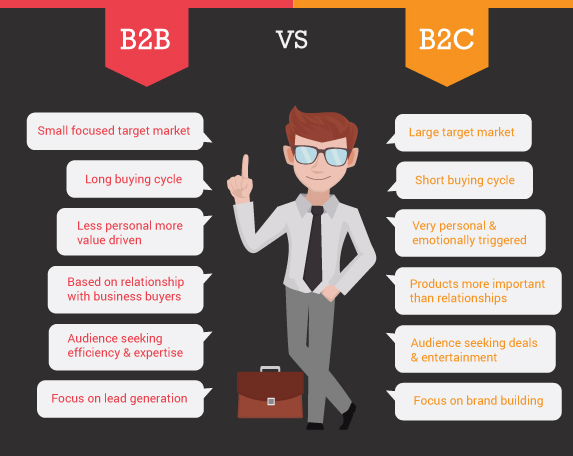
Your audiences have different needs. The reasons they choose to buy are different. Even the way you choose to promote your content has the potential to be different.
But despite all its differences, B2B content marketing actually has one major thing in common with B2C content marketing.
The reality of content marketing is that whether you’re speaking to the typical modern consumer or to an SMB, the fundamentals of creating engaging content remain the same.
With all the conflicting information about what content marketing tactics you should be using, it’s important to take a step back and identify the techniques that actually matter.
Which is why today we’re going to take a look at some of the more promising B2B content marketing tactics of this year and help you get a leg up on the competition.
Before we dive right into this subject, go ahead and take a look at the list of topics below.
If any of them have been giving you a rough time, feel free to jump right in and get the answers to your questions.
Once you’ve done that though, make sure you come back up here and read the entire article the whole way through.
Every one of these tactics has the potential to help your business. Even if you’re familiar with one of the topics listed, I guarantee that you’ll learn something new by reviewing it here.
1. Sell the story before selling your product
If this one sounds a bit on the dramatic side, that’s intentional. I wanted to draw attention to this particular aspect of content marketing.
Like Kickstarter shows us here, a compelling narrative can work wonders for your brand.

I didn’t put it first on the list for nothing.
There’s an understanding among the B2B marketing community that businesses aren’t going to spend money frivolously.
That’s just not how this works.
Other businesses spend money on your business for one very specific reason: It’s going to make them money somehow.
Of course, the way your business ends up making them money will differ greatly based on what kind of products and services you offer.
But at the end of the day, you’re either saving them money or making them money.
In other words, you’re offering tangible value that an employee can take to their manager or that a manager can take to an exec.
With this focus on tangible value in mind, it’s easy to see how that could bleed into the way you create content.
And to be fair, there’s nothing wrong with creating content that’s centered around the concept of tangible value.
Heck, I do it all the time!
The problem is when you start to let that affect the quality of the content you’re creating.
There are two ways that I usually see this manifest in a B2B content marketing strategy.
- The content has such a focus on being straightforward that it forgets to be engaging.
- The content turns into thinly-veiled self-promotion articles that essentially beat the reader over the head with the fact that they should use your business.
Again, I’ve got no problem with self-promotion. I’d be a hypocrite if I told you to cut it out.
But this is where the focus on fundamentals comes into play.
Content is, no matter how you look at it, a way to tell a story.
Sometimes that story can be entertaining, like this Moz video on Star Wars.

Sometimes it can be educational, like this video by Tim Ferriss, where he teaches the fundamentals of speed reading as a way to promote his podcast.

But no matter what style of content you’re creating, it has to be engaging.
Because you can’t expect people to extract value from your content if they’ve fallen asleep reading it.
Of course, this brings up an important question. How do you consistently create engaging content?
Simple. Focus on the story you want to tell, and then worry about selling your business within the content.
Every business has a story. If you’re struggling to come up with anything, here’s a little experiment.
Take a look at your audience. What industries are they a part of? Look at the impact that those industries have in the world for inspiration.
Still stuck? Okay, try this one.
Go straight for the employees and execs themselves. Your product/service solves a problem, right? Craft a narrative that revolves around how this will change their lives.
It doesn’t have to be Shakespeare to be engaging. The narrative just has to have enough structural integrity to get people to the juicy, valuable bits.
Make no mistake, your content is far from the only place you can sell your product. A high-quality call to action can do most of the heavy lifting for you there.
2. User experience matters
You’ll notice that I spend a lot of time talking about the way your audience experiences your content.
Why do I do that?
Because it’s the cornerstone of effective content marketing. More specifically, it’s the place where your marketing funnel meets your sales funnel.
The actual content you create isn’t just important because of the inspirational or educational message you’re promoting.
The inevitable endgame is getting businesses from point A to point B to finally convert them.
Essentially, it’s about moving through the sales funnel, as shown here.

And that’s impossible to do if the way users experience your brand doesn’t register as compelling.
While it’s a vital first step, it’s simply not enough to create content that solves problems.
Your audience needs to connect with your brand in some way, and your brand has to differentiate itself from the competition through your use of content marketing.
If you’re at all confused, just think of it this way.
Creating a moderately valuable piece of content is good. Creating highly engaging content that a variety of different customers can identify with is great.
User experience matters for the simple reason that it leads to brand loyalty.
And brand loyalty matters because it’s the difference between selling a smartphone and selling an iPhone.
Here’s a look at one of the lines for the iPhone 6 launch:

Being the cheapest option available isn’t enough to ensure that your customers will choose you. You have to offer a unique experience that breeds customer loyalty.
Having a strong product is how you make the sale today, but having a strong brand is how you make the sale tomorrow.
3. Cross-pollination and the importance of collaboration
When you get caught up in the process of creating content, it’s easy to forget about one of the most important factors of content marketing.
That is, how the heck am I going to promote this thing?!
Well, there are plenty of tools at your disposal that I’ll get to later, but right now I want to focus on an undervalued resource.
That’s right, I want to talk about guest posts.
No, I’m serious.
I’m not exactly sure when it stopped being cool to collaborate with other businesses when it came to content marketing.
Sometimes it seems like business owners are unsure about whether or not they should team up with other businesses.
The answer, as far as I can tell, is typically “yes.”
You’re not trading company secrets here, guys. You’re sharing platforms.
Here’s me hopping on Entrepreneur and contributing:
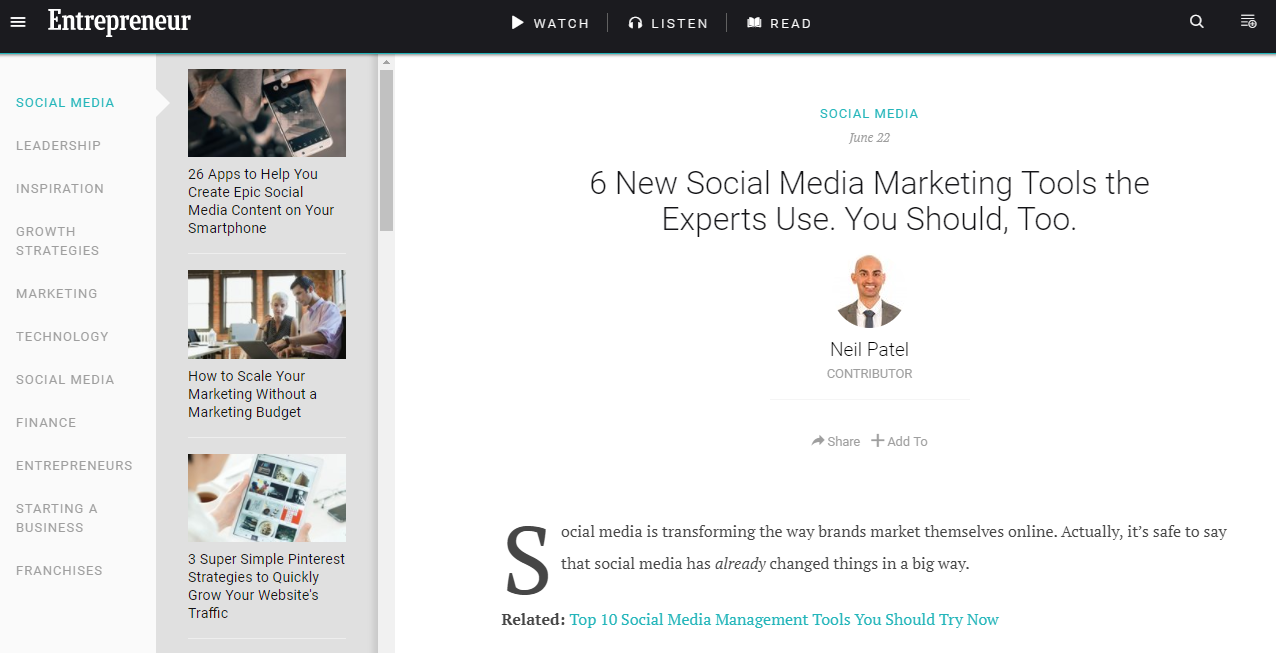
Your collaborators are able to put up an article on your site and promote to your audience.
You’re able to increase exposure for your content and send traffic back to your site or social media profiles.
That’s about as win-win as it gets.
This cross-pollination approach is essential for not just getting your content out in front of more people, but for helping establish your online authority in your industry.
Let’s say I’m an exec at XYZ company. If I see your content on your site, that’s definitely going to help develop your online presence.
But when I see your name and content pop up on all my favorite industry-leading sites, that signals to me that you may be an online authority.
Plus, don’t forget about the benefits of hosting other people’s content on your site.
It’s essentially content curation, but without having to hunt down the content yourself!
Your audience sees that you’re showcasing high-quality work from other industry leaders and recognizes that you clearly have a strong understanding of what’s truly valuable.
This strengthens your reputation with your audience and within your industry.
And all you have to do is share some content with another business.
4. Create multi-layered content
If you’ve been paying attention to the evolution of content marketing, this next tactic should come as no surprise to you.
But even if you’re experienced in B2B content marketing, it’s worth clarifying what it actually means to create engaging, multi-layered content.
Which then begs the question, what does multi-layered content look like?
Typically, the best content is going to incorporate aspects of both text-based and visual content to create as engaging of an experience as possible.
I like to break it up into three categories.
- Text
- Images
- Video
The text aspect is typically the part that businesses struggle with the least. More often than not, it’s the only one of the three categories that the businesses have experience marketing with.
Imagine just a never-ending stream of this.
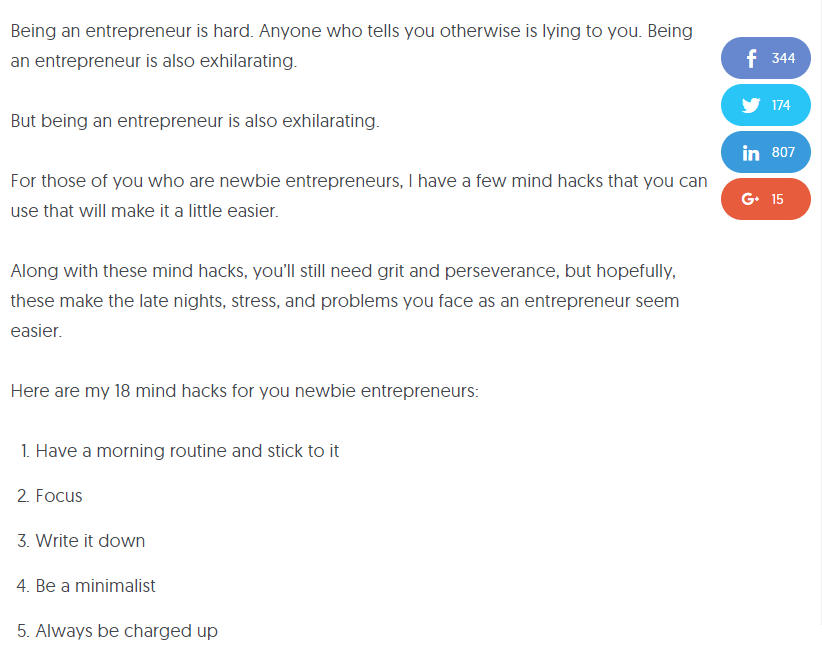
Scary, right?
And that’s why those other two categories are just as, if not more, important.
Images can be anything from screenshots of relevant data to custom-made infographics.
Here’s one of the images I used to break up the text from the blog post you just saw.
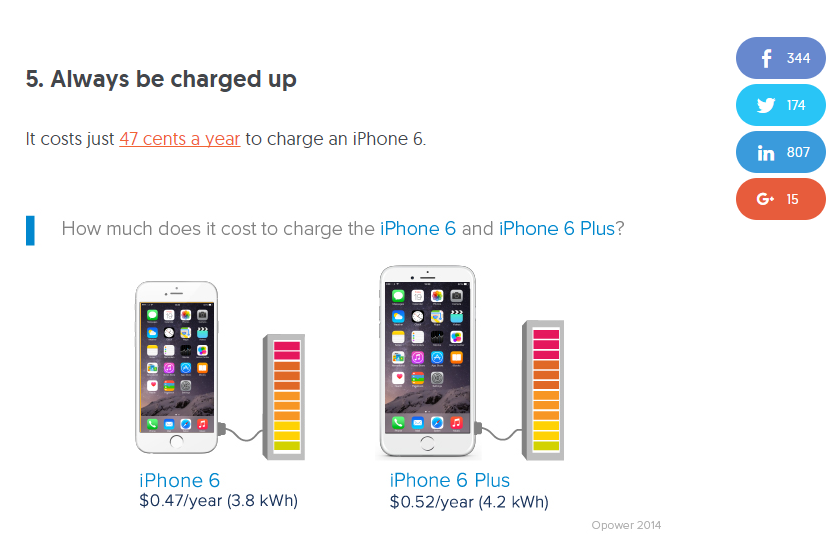
Much better.
There are plenty of stats showing how effective it can be to add a simple infographic to your text-based content.
From there, we enter the world of video.
I’ll be the first to admit that getting into video marketing with no prior experience is hardly an easy thing to do.
But the reality of digital media marketing is that if you can integrate any type of compelling video into your content, it’s going to end up much stronger because of it.
Notice how I said “compelling” and not “high-quality.” The content should always provide value, no matter what category it falls into.
But the interesting thing about video content is that it doesn’t have to look like a Hollywood movie to communicate your message effectively.
The key is to make your video content just as engaging as your text-based content to ensure that the entire piece ends up being worth your reader’s time.
Of course, it’s important to acknowledge that every business is inevitably going to have their own approach to this process, so none of this is etched in stone.
But if you’re looking for examples, all you have to do is look at my work.
It’s not exactly light reading. Most of my articles are roughly 3,000 words.
With that in mind, I make sure that my content has a strong visual media element.
There are two reasons that you’ll want to try this.
- It’s a great way to engage audience members that aren’t huge reading fans.
- It’s an even better way to break up the monotony of giant blocks of text.
5. Metrics are the key to long-term growth
Throughout this process, you’re going to be doing a lot of experimenting.
Okay, let’s call it what it is. You’re going to try lots of stuff that doesn’t end up working.
There’s no shame in that, by the way. Even with thorough planning beforehand, there’s no way to accurately guess from the start what kind of content is going to resonate with your audience.
Fortunately, that’s why we have metrics.
The initial stumbling is forgivable because you’re operating under assumptions about what your audience wants, not facts.
But once you’ve started trying things out and experimenting with different styles of content, it’s time to step up your game.
Tracking the success or failure of your content marketing efforts lets you do two things.
- It keeps you from making the same mistakes over and over again.
- It helps you start building a marketing strategy that’s centered around something your audience actually relates to.
This is what long-term, consistent growth is based on in the marketing world.
Not only should you be able to avoid the tactics that didn’t work for you, but you also should create strategies built around tactics that have actually worked for your business.
It may not seem like much at first. But the reality is that over time, those minor victories will help strengthen your business’s content marketing campaigns and make all the difference.
6. Take advantage of paid ads
It wouldn’t be a content marketing article if we didn’t take a minute to discuss the importance of paid ads.
To be clear, this particular topic is dense enough to write multiple articles about (something I’ve actually done).
But in the spirit of keeping things simple, we’re going to focus on specifics and keep this as straightforward as possible.
If you’re B2B and you hear paid ads, your mind probably jumps to something like LinkedIn, right?
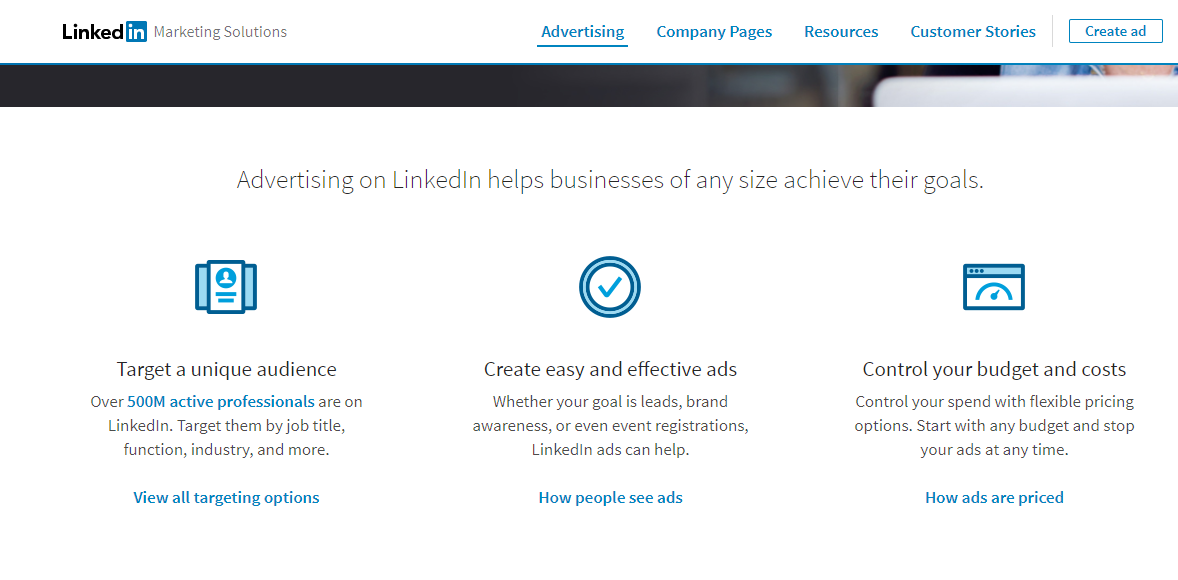
I don’t blame you. LinkedIn is a great tool for B2B, and you can experience quite a bit of success marketing there.
But there’s one paid ad platform that most of your competitors are ignoring.
Facebook ads.
I can hear it already. “But Neil, Facebook isn’t targeted enough! I’ll just be throwing money down the drain!”
Fortunately, the data says otherwise.
Take a look at the number of shares on a topic like demand generation, which Contently illustrated beautifully below.
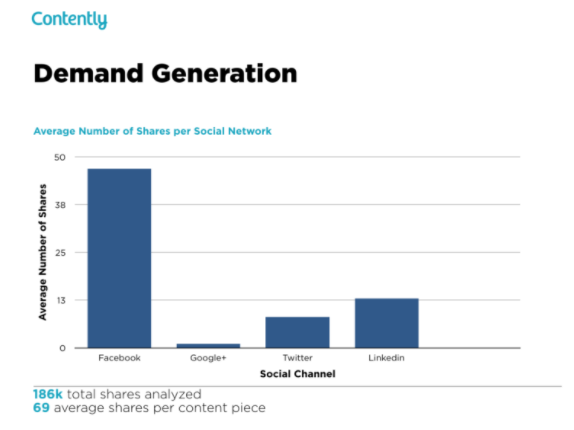
Gaining more shares means gaining more attention. More attention means more potential for conversion.
Simple as that.
Facebook ads work because you’re not just casting a bigger net, you’re engaging with a community that actually cares about B2B content.
Don’t judge a book by its cover, folks.
Conclusion
B2B content marketing presents all sorts of unique challenges when it comes to both promotion and creation.
There’s no getting around the fact that you’re in for a difficult road ahead.
Fortunately, there are a few things you can do to make the process as easy as possible.
Make sure that you’re actually using your content to tell compelling stories and not just bombard your audience with self-promotion.
Recognize the importance of the user experience and the potential for brand loyalty that exists within your content marketing efforts.
Collaborate with other businesses and embrace the guest post for the wonderful promotional tool that it is.
Make sure that your content has depth, incorporating both great copy and strong visuals.
Track metrics and learn to create content that’s data driven to ensure your marketing efforts become more successful over time.
And don’t be afraid to venture out into the world of paid ads, using sites like LinkedIn and Facebook to raise awareness for your brand.
If you’re able to do all this, there’s a good chance you’ll be able to connect the dots of B2B content marketing and create something truly impactful in the process.
What do you think the difference is between B2B and B2C content marketing?
Have you experienced any success promoting B2B content via paid ads?