 Sign In








 Ubersuggest
  AnswerThePublic

Mark Twain once said that,
“The difference between the right word and the almost right word is the difference between lightning and a lightning bug.”
The right words will always nudge, push, and/or compel people to take the right action — and increase content engagement, audience engagement, and social media engagement.
Used correctly, words can transform your blog posts from “what a mess” to “that’s fantastic!”
No matter what type of content you’re creating and promoting, at some point you’ll need to use words.
Whether you’re writing an email newsletter, social media content, a bit of web copy, a press release, long-form article, and even visual content – you need to integrate the right words.
These words, together with other elements on your page, will produce a spontaneous reaction in the reader and can even increase your conversion rate. The right words are a paramount part of your content strategy.
When you want to share your powerful message, the wrong choice of words can cripple your life-transforming story and can turn valuable content into something dull, dreary, and dire for audience engagement.
Words drive the important elements of landing page conversions, contribute to brand awareness, and reduce your bounce rate.
For example, with the right words in the headline, you grab people’s attention. This is your first aim when attracting audience engagement across the social media channels and as part of your content marketing.
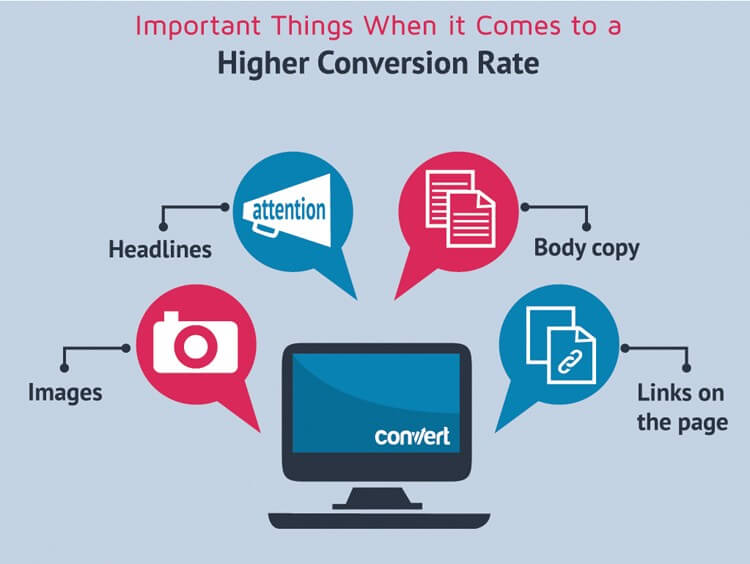
In the same way, if your body copy is filled with power words, you’ll build a strong desire for your product in the customer’s mind. And, they’ll likely purchase your product.
You’ll also become a better writer by learning to use the right trigger words in your content.
So, let’s explore 14 trigger words that you should consider using in your next blog post to increase audience engagement:
1. Free
“Free” is far more effective than, “almost free.”
In his book, Predictably Irrational: The Hidden Forces That Shape Our Decisions, Duke professor Dan Ariely said that,
The word “free” “… gives us such an emotional charge that we perceive what is being offered as immensely more valuable than it really is.
Nearly everyone loves free stuff. By including the word “free” in your blog posts, copy, email letters, and social media posts, you can appeal to lots of people at the same time.
This is sure to boost your twitter engagement, social media campaigns, and content strategy with immediate effect.
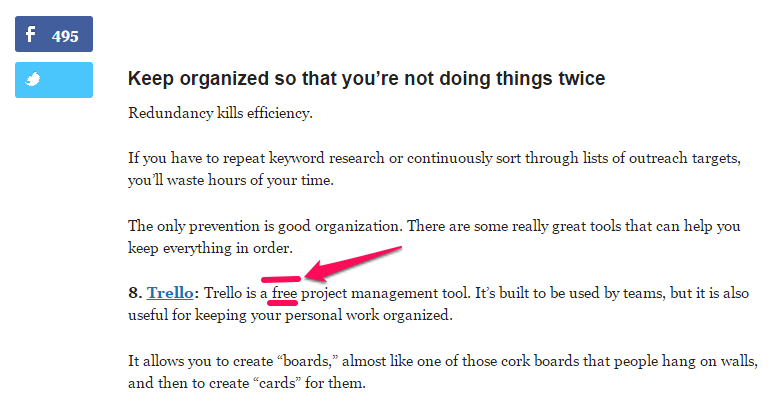
People want a bargain. Studies have shown that people don’t like to spend money when they can get a great deal for free.
2. New
People are looking for new things on a regular basis: new software, new blogging techniques, new content strategy ideas, new social media tools, new ways to make money, new car smell, and so forth.
When you include the word, “new” in your blog posts, readers will stay alert and excited, knowing that something new, which they probably have never experienced before, will soon be revealed to them.
What’s more, your target audience will share the post on their social channels, if it contains some new insight or valuable information that delivers valuable content to them.
You can include “new” in your title or introduction.
3. Proven
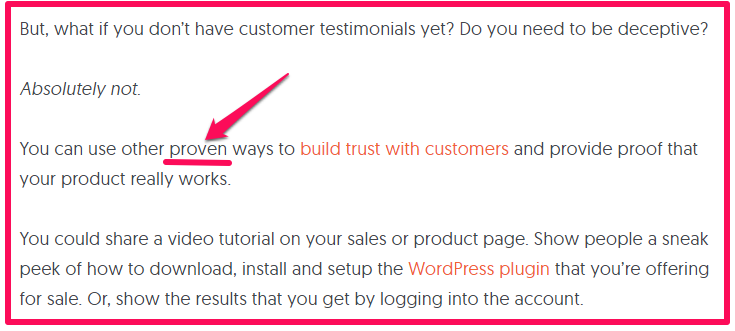
Another trigger word that will ignite audience engagement and Twitter engagement with your blog post is “proven.”
When an idea, piece of advice, strategy, or technique is solidly supported, then you better indicate that you’re dealing with proven information.
Brian Tracy, one of the most respected personal development coaches and public speakers, uses the word “proven” all of the time – to build trust.
When you read his headlines, the first thing that comes to mind is, “Brian must be a genius: his strategies are proven.” Your target audience is more likely to go that extra mile with social media engagement if they believe you are a trustworthy source.

Users love, “proven” strategies.
Nobody wants to waste time with assumptions or guesswork and it doesn’t deliver valuable content or give readers faith to share that content on their social media channels. Anyone who decides to try something and fail, before learning how to get it right, is probably wasting time.
Why not go after proven social media marketing and content strategies that work?
I use the word, “proven,” not only in my blog post headlines but in the content as well.
4. Easy
Even when an idea or strategy is simple, the execution of that strategy isn’t necessarily easy.
When creating your blog posts and sketching out your content strategy, keep in mind that your target audience is looking for simple ideas that won’t take a long time to implement.
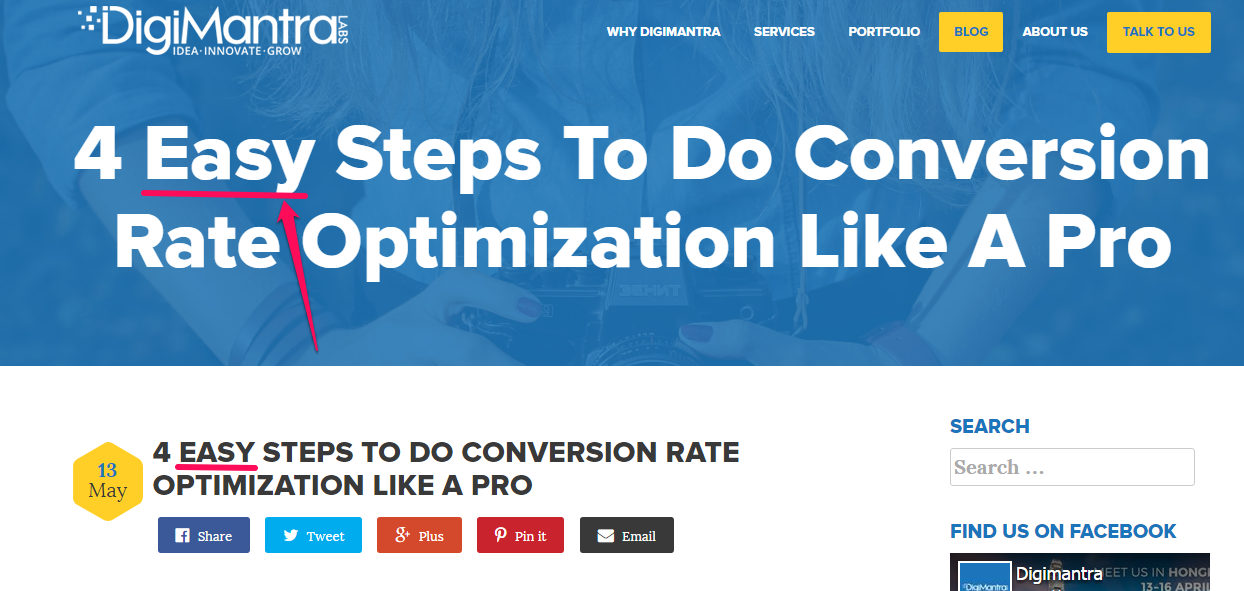
If the headline conveys that something is easy, people will click on it and read on which can lead to higher social media engagement and reduced bounce rate. If it seems difficult, or the word “impossible” is used, people are much less likely to respond.
As a writer or content marketing specialist, it’s your responsibility to take a complicated or confusing topic and make it easy for your target audience to understand. That’s what leads to valuable content being shared across social networks.
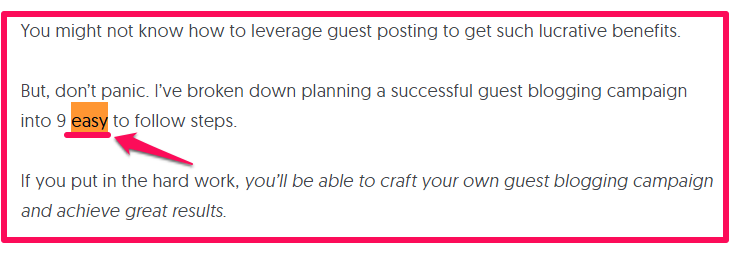
Break down your key points. Ideally, use a step-by-step method to format your post. That way, people will find the otherwise-difficult topic relatively simple and easy.
For example, “conversion rate optimization” is a complicated digital marketing topic, especially for beginners.
By including the word “easy,” and actually making the content easy to implement, you’ll win loyal customers and attract more clients.
5. Secret
There’s a secret that the successful digital marketers aren’t telling you. You read their blog posts, and watch their training videos, yet you can’t put your finger on what those “secrets” are. They seem to have high twitter engagement levels, thousands of Instagram account followers, a killer social media strategy, and great post engagement results – and you don’t know how.
When people are confused about a given topic, or they want to expand their knowledge base, you can trust that they’ll be searching for coveted ideas and strategies.
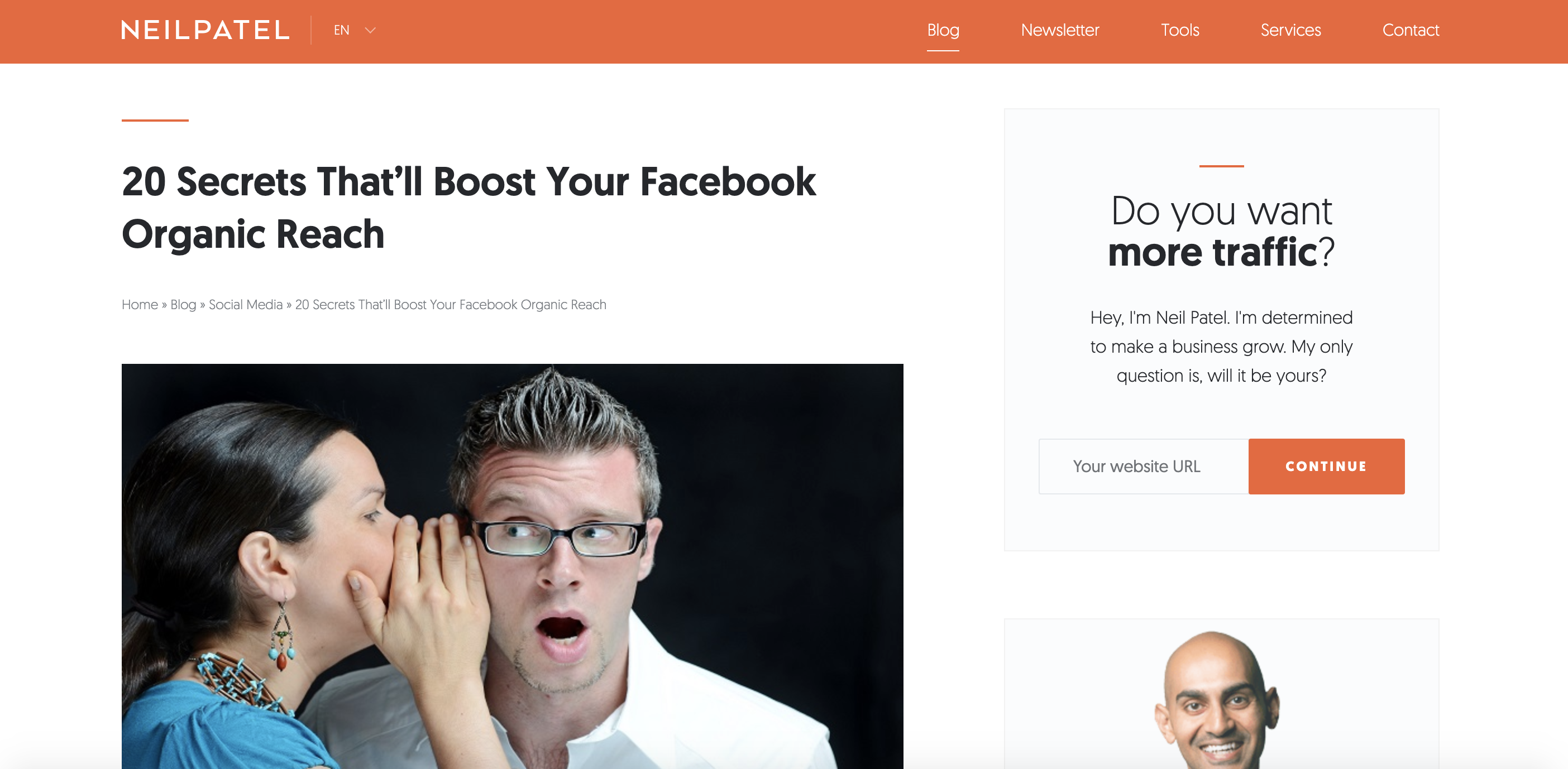
There’s no secret, actually. It’s only a secret when you don’t know it.
“Secret” inspires a sense of wonder. It causes people to be curious and it triggers a desire for knowledge and increases audience engagement.
Use the word “secret” in your blog post headlines, the body, and even in the call-to-action, when you’re unveiling something new or delivering a piece of particularly high-quality valuable content.
6. More
If you can deliver more valuable content in your blog posts, you’ll build a loyal audience faster, you will see an increase in your Twitter engagement and social media engagement. In fact, it will improve your content strategy overall.
I use trigger words in my blog posts, not as clickbait, but as an avenue to express my thoughts clearly, and as a bonus, it does drive up social media engagement.
When I’ve conducted a new study, only the right words can communicate my results and data clearly.
A while back at Crazy Egg, we tested adding the word, “more,” in our exit popup and it helped us to more easily convert visitors who were leaving the site, therefore, reducing the bounce rate.
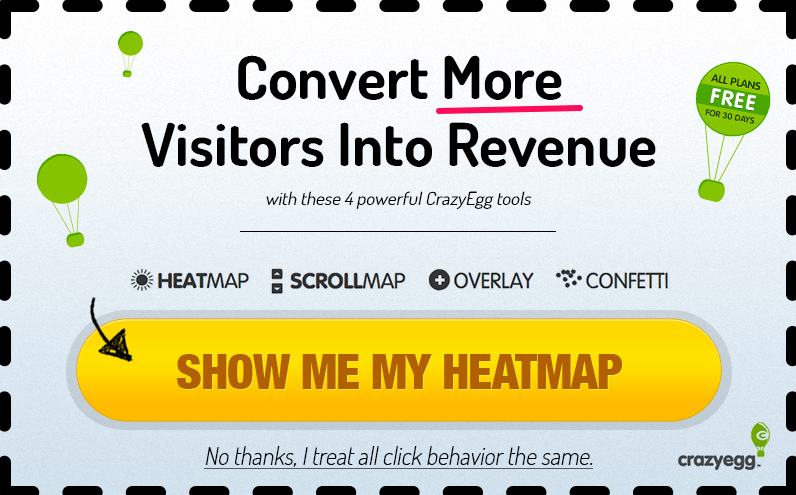
The word “more” is one of those words that you can use to show that you’re not finished yet.
When your readers think that all of your ideas are exhausted, you need to come up with “more” ideas, insights, and engagement strategies.
When customers see the word, “more” in either your headline, body copy, call-to-action, or email subject lines, they’ll know that they’re making the best decision.
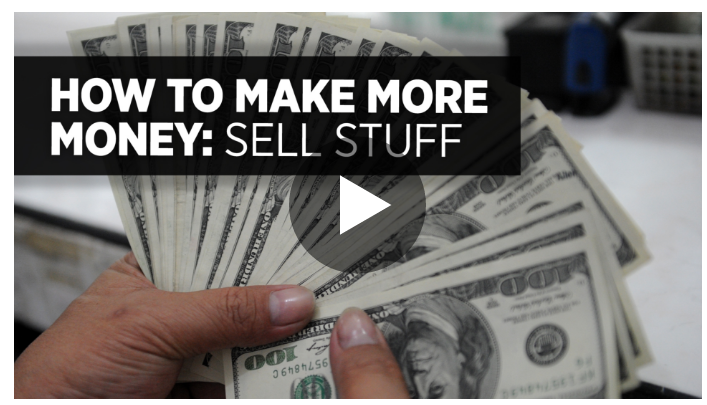
Thousands of people have watched this video. Why? Because it shows the proven ways to make more money.
The more valuable content you create to answer your readers’ biggest questions, the happier they’ll be – and the longer they’ll stick around, help to boost your social media engagement, and improve your content marketing, and media presence.
7. The
Customers don’t usually want more than one solution. They want, “the” solution.

Why is it so important to use “the” as opposed to other articles, such as “an” or “a”?
The difference is in the reader’s perception.
“The” is a definite article (remember your English grammar class). The other indefinite articles (i.e., a & an) are used to show there may be other options or alternatives.

But, “the” is used to showcase the importance of a particular item, product, strategy, or idea.
Use the word, “the” when you want to engage with your target audience. You want them to be focused and not to look for alternatives.
8. Yes
What does, “yes” mean to you?
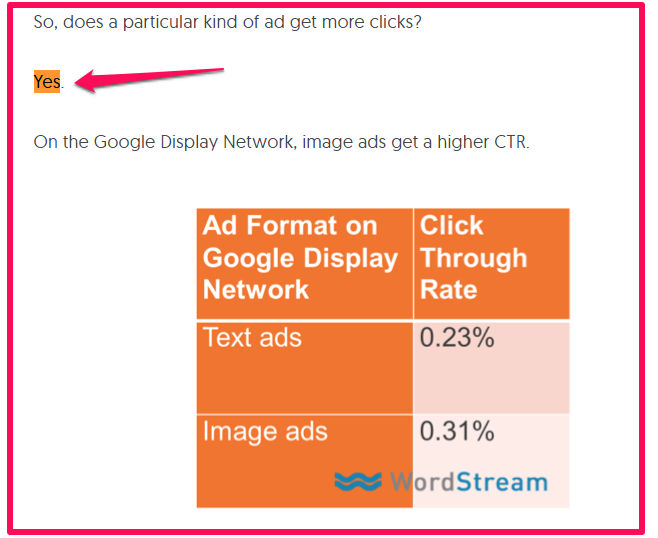
To me, it creates a positive atmosphere. It signifies an affirmation. It’s particularly useful when you’re a teacher or instructor. It’s used to answer the question that you’re sure about.
In The Power of Yes!, author Tony G. Boehm said that,
YES is Your Empowerment System; for YES always works to attract back to you that which you have sent forth as a dominant thought, want or desire.
If you teach or mentor other people, you can use the word “yes” to inspire them. It also works well with your customers and across the board when it comes to audience engagement.
Yes, they can achieve it. If people want to learn programming, but they’re scared of writing code, you can assure them that they can do it.
Your blog post headlines can be similar to these:
- Yes, You Can Become a Programmer in 90 Days
- PHP Website Development: Yes, Beginners Can Get Started in 15 Minutes
“Yes” is an inspiring word to use in your content strategy.
If you use it in your email subject line, be ready to get more opens and a higher click-through rate.
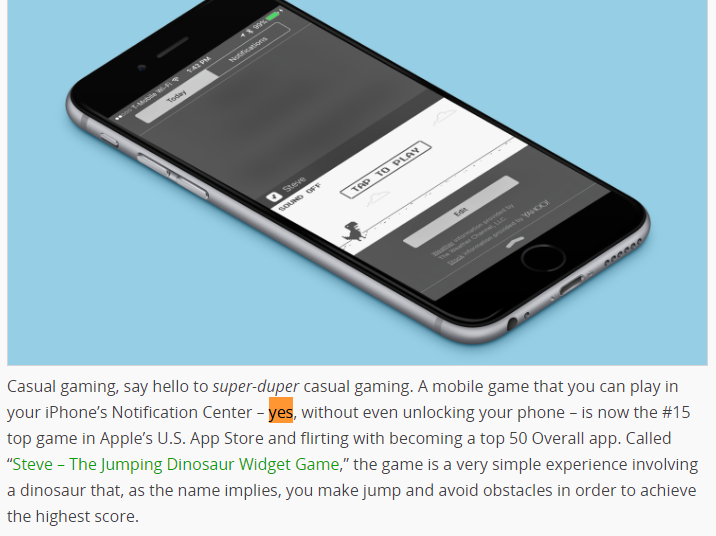
TechCrunch adds “yes” to posts in order to convey their message better and to increase audience engagement.
9. If
“If is such a small word, but it’s so powerful.” – Mark Batterson
What if your customers choose to read your post – what will they get from it? How many times have you given people the masterplan on how to achieve results, only if they take the necessary action steps?
You should use the word, “if” when you want to show your target audience and readers that they have a responsibility.
If is used to show a conditional statement. For example:
If you implement this 3-step strategy, you’ll double your twitter followers and improve your social media presence.
You can also use if to show possibility or outcome.
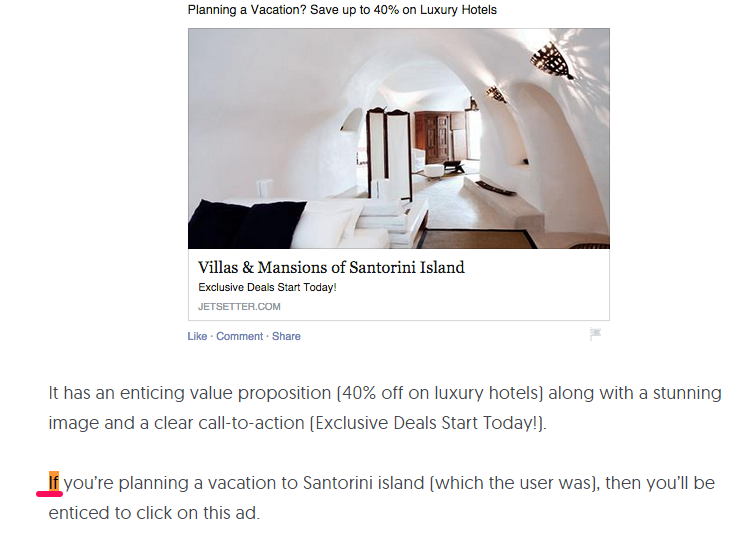
When you’re speaking to B2B companies or marketers, use “if’ to show them that your advice and strategies only yield results when they play their part in the content marketing plan.
Otherwise, you’ll be seen as a fraud if they don’t get the promised result.
10. Never
“Never” is a negative word, but it’s an invaluable word, in the right context, showing the reader what not to do. See how I used it in my the blog post headline below:
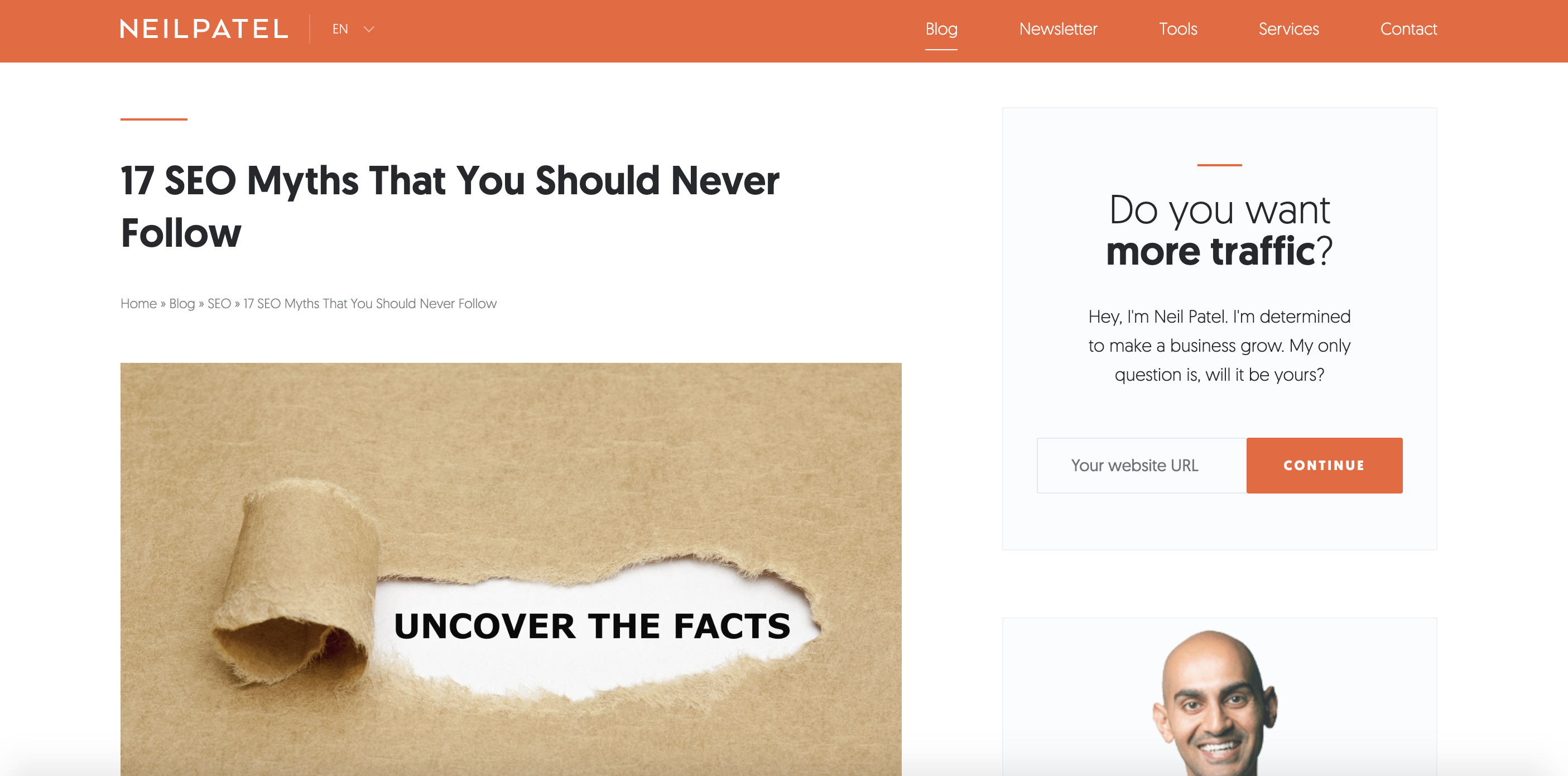
What do you think will happen when a customer knows that clicking a headline will save them money and arm them with the tools that they need to stop wasting money? Do you think they’ll click on the headline?
I bet they will!
Use never to drive your message home.
Don’t let anyone hold you responsible for something beyond your control. This is especially important when working with new clients. Never make a promise that you can’t fulfill.
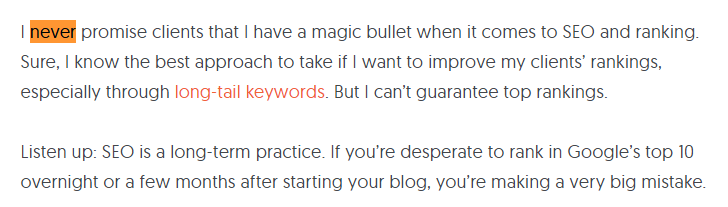
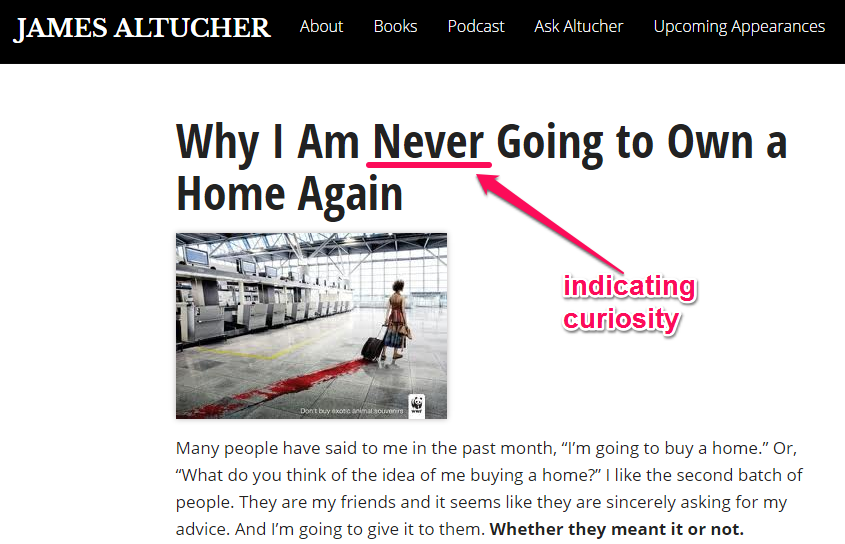
“Never” can also be used to make a surprise announcement or to give an update, so that your loyal audience can be well-informed.
People will be curious to find out why you took that step. James Altucher does this in his headlines. Take a look:
11. Imagine
Is it really possible?
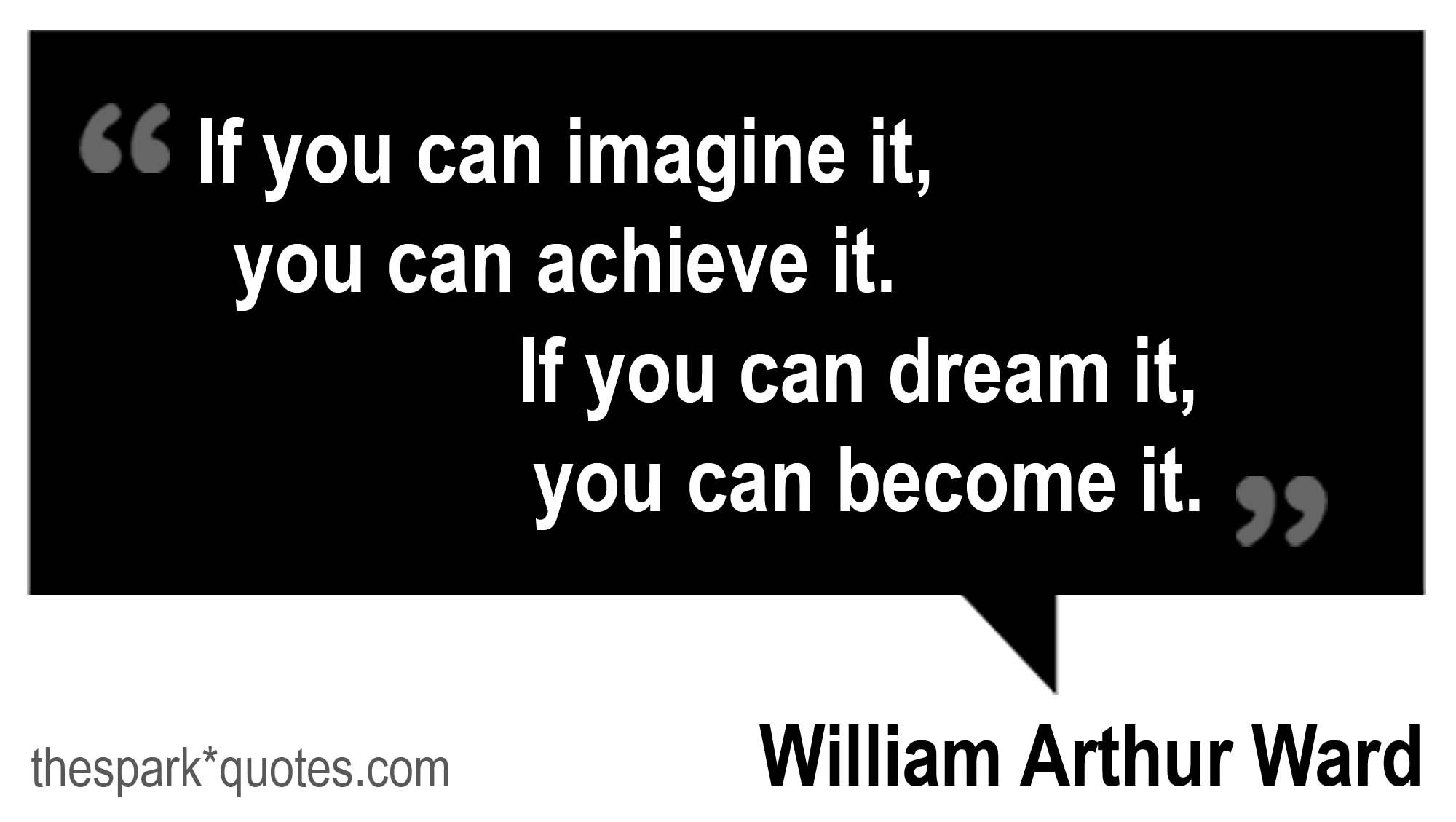
The word, “imagine” shows your target audience that they can achieve it 100x over.
Imagine a new story or achievement for your life and start living it.
As a blogger and specialist in content marketing, it’s no longer enough to piece a bunch of words together and click the publish button on WordPress and pray it triggers better social media engagement.
If you’re not motivated to make a difference, then quit doing business entirely.
The word “imagine” is one of those words that catapults your reader from where they’re currently sitting and reading your blog or social media post, to a whole new realm, where all things seem possible.
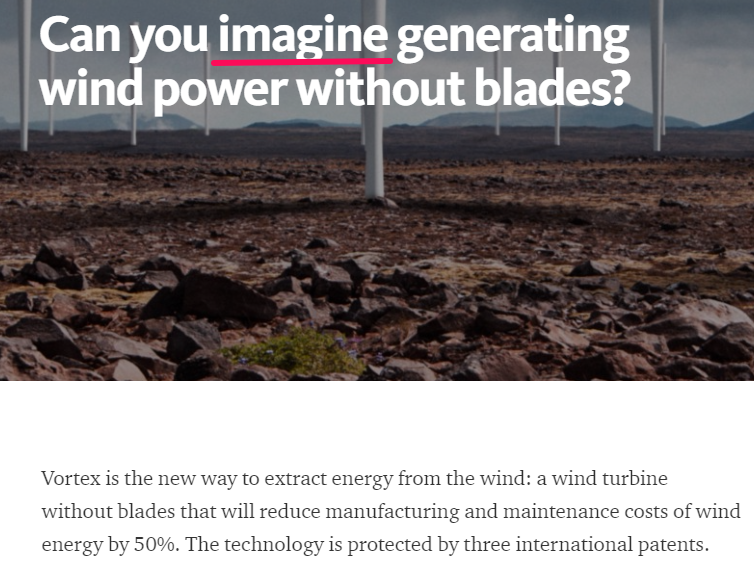
You could start your blog post introduction like this:
Imagine earning 30 new links from authoritative and trusted blogs by this time next month. How much organic traffic will you enjoy?
Captivate your readers to reduce the bounce rate. Don’t let them close their browser whenever they’re reading your blog post.
People want to see a difference in their lives, to have something inspiring to share on their social media. Boring posts will only chase away your readers and customers, whom you worked hard to get in the first place.
When you go through Jon Morrow’s posts, you see that he understands this concept – the proof is in his compelling content.
But, for better clarity, use the word.
If it doesn’t flow smoothly or read naturally in your headline, then move it to your subheadings, paragraphs, or conclusion.
12. Instant
“Instant” shows immediate rewards and triggers higher audience engagement.
When people are tired of experimenting and waiting for results, it can be frustrating.
But, you can always help them, by presenting valuable content, thoughts, topic, ideas, or strategy in such a way as to enable them to get instant, or near-instant, results.
As an example, we all know that building backlinks to a new blog is difficult. But, you can write a post on the “2 steps to instantly crush it with link building” or “ways to instantly boost your Twitter engagement”.
Without a doubt, your readers will click on those headlines and read every word on the page. Why?
It’s because they can get instant rewards, rather than waiting for months or even years to build links that improve their search rankings or waste time waiting for their Twitter engagement numbers to shoot up.
Make no mistake about it: People love instant rewards. That’s why downloadable information products sell like hotcakes.
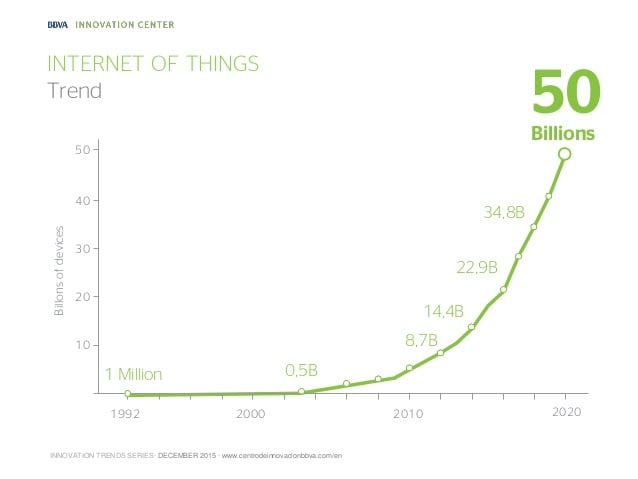
Customers like the idea of paying for an ebook and downloading it instantly. Just look at the upward sales trends for ebooks, heading towards 2020. This doesn’t happen with physical products, such as clothing or wrist watches.
13. Convert
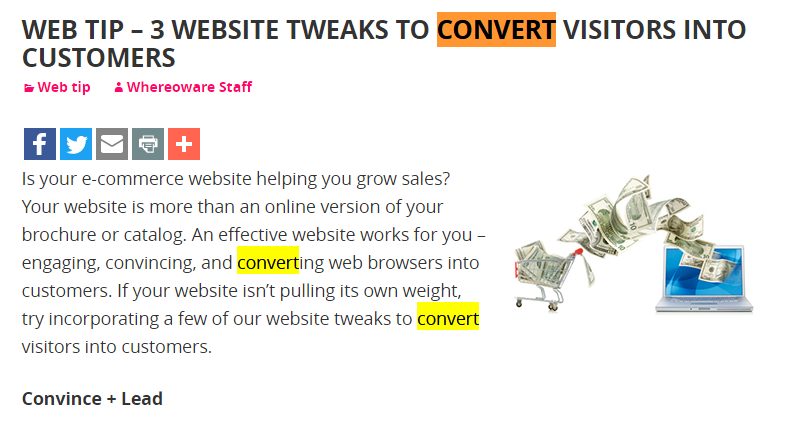
“Convert,” is a powerful word that nudges people from the inside.
It always works. That’s the major reason why you find a lot of copywriters, bloggers, and SEOs using it when talking about content and social media strategy.
I like to include the word “convert” in my blog posts because it walks the reader through the entire process of transforming something into another form — usually readers into followers or prospects into customers.
In other words, “convert” isn’t just about the technical website definition. It shows how you can move from Point A (where something is not working) to Point B (where you see better results).
14. You
“You” rock!
You is an irresistible word. It shows personality. If you’ve been reading my posts, you’ll notice that I use the word, “you” quite a bit. This is a great way of improving audience engagement.
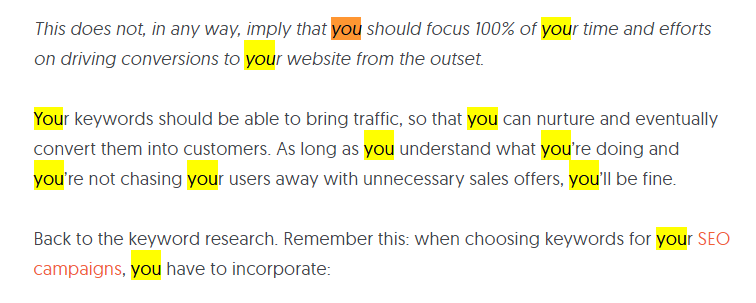
In your blog posts, use the word “You” to hold your user’s attention. They’ll see that you created the content for them, even though tens of thousands of people will have access to it.
Your readers will perceive that you’re speaking specifically to them. You can also use the word, “you” in your email subject lines, to increase open rates, in your videos, to increase views, and in your call-to-action to get a higher CTR.
Conclusion
Writing is an art because it requires the right use of words to create a meaningful communication of a thought or piece of information.
I’m sure that you’re familiar with virtually all of these 14 words (of course, there are many more of them), but the ultimate question is, “how many of these words do you use to ignite user engagement in your blog posts and to improve your own social media strategy?
These trigger words are power words, too — they can transform a boring blog post headline, introduction, subheadings, or paragraph into a captivating masterpiece.
Which of these trigger words do you use regularly, when you create new blog posts?
Are You Using Google Ads? Try Our FREE Ads Grader!
Stop wasting money and unlock the hidden potential of your advertising.
- Discover the power of intentional advertising.
- Reach your ideal target audience.
- Maximize ad spend efficiency.