 Sign In








AI SEO Budget Plans
Info
-
Source: NP Digital
-
Date: November 2024
-
Category: SEO & Keyword Strategy
-
Study Methodology: NP Digital survey; sample size: 11,093 marketers; geography: worldwide; collection method: survey.
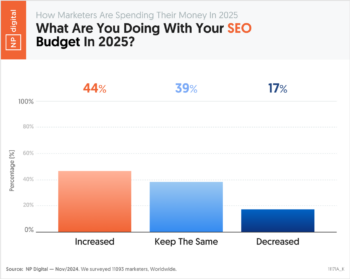
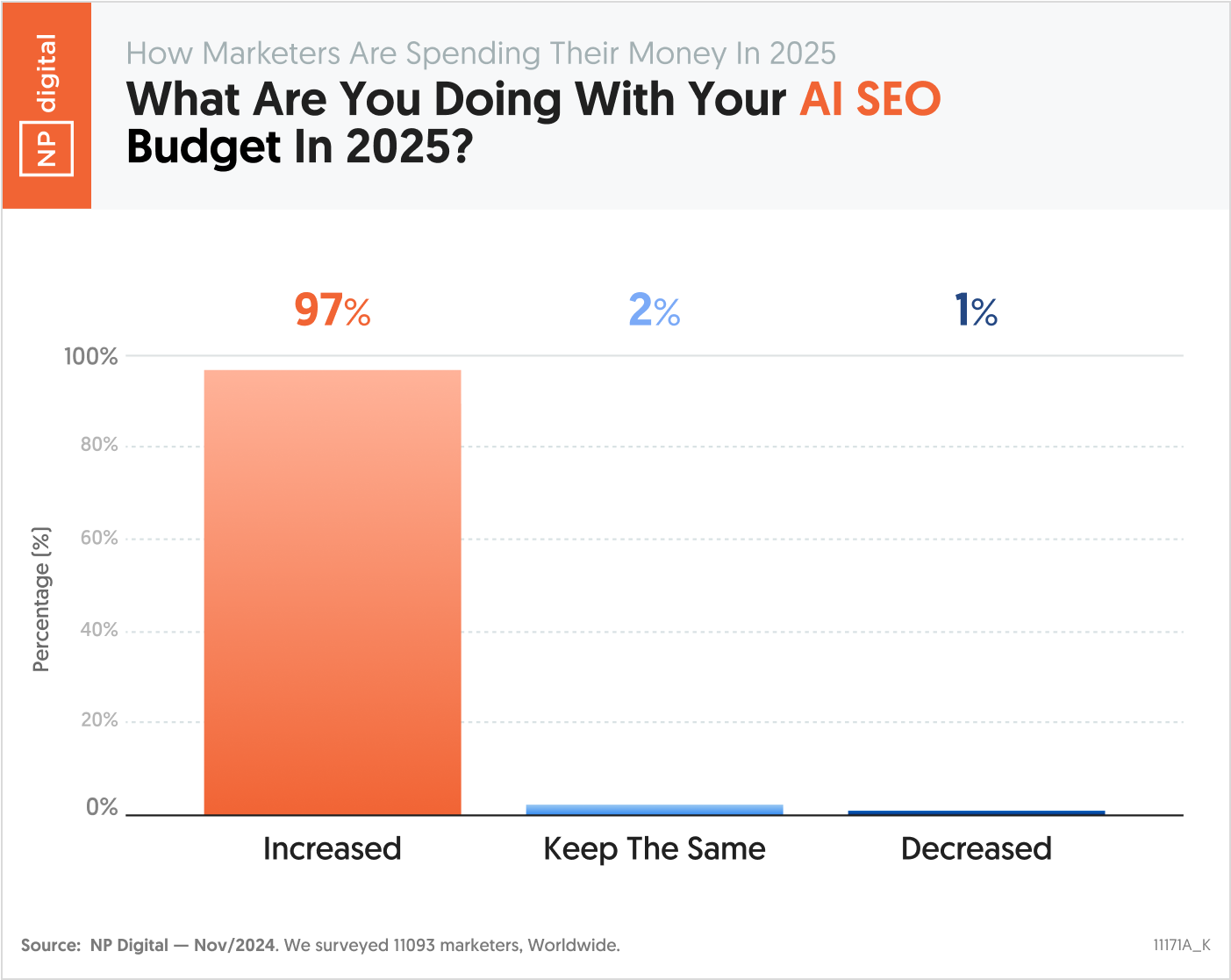
AI SEO is moving from experiment to line item. When nearly everyone is increasing spend, it means teams expect AI-driven search surfaces to impact pipeline, not just awareness. This chart is a budget signal more than a tactic list. The smart move is to align resourcing, measurement, and content workflows now so spend translates into outcomes.
Essential Statistics
- 97% of marketers say their AI SEO budget will increase.
- 2% plan to keep their AI SEO budget the same.
- 1% plan to decrease their AI SEO budget.
- Net sentiment is overwhelmingly expansion, not optimization.
- Flat or reduced AI SEO budgets are statistically rare in this sample.
Key Takeaways
- AI SEO is being treated as a priority investment category for 2025.
- If you wait to resource this until results drop, you will be behind competitors who are already scaling.
- Budget growth implies leaders expect new SEO deliverables beyond traditional rankings.
- Measurement expectations will rise, because increased budgets demand attribution and reporting.
- Teams will need clearer roles across SEO, content, and engineering to execute AI SEO work well.
- Early movers will set the benchmarks others copy, including what good looks like in AI-driven SERPs.
Actionable Insights
- Set a clear definition of AI SEO before you spend. With 97% increasing budgets, vague scope will waste money; define the exact outputs you are funding (content refreshes, structured data, entity coverage, or technical improvements).
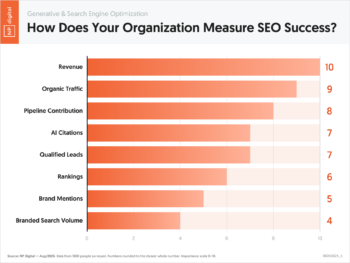
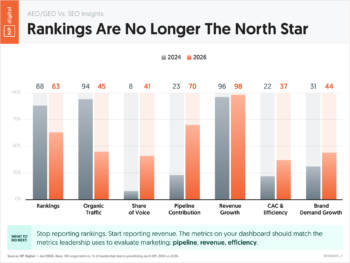
- Build an AI SERP tracking baseline now. If budgets are rising this fast, leadership will ask for proof; start reporting on AI surfaces, citations, and assisted conversions so you can show progress quarter over quarter.
- Prioritize entity and topic coverage gaps. Increased budgets should go toward coverage that improves discoverability across AI-driven results, not just publishing more pages that compete with each other.
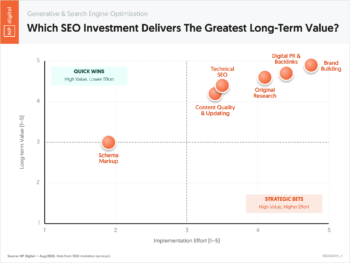
- Fund technical enablement, not only content. Allocate part of the increase to schema, internal linking, page performance, and crawl efficiency so your best content is eligible to be surfaced by AI systems.
- Create an experimentation roadmap with 30-day cycles. With only 1% decreasing budgets, the winners will be the teams who test, learn, and redeploy spend quickly instead of locking into one approach for a year.
- Align AI SEO work to revenue pages first. Use the budget increase to improve visibility for pages tied to pipeline, then expand to TOFU once you can tie gains to business outcomes.
Budgets are telling you what leaders believe will matter next. If 97% are increasing AI SEO spend, the advantage goes to the teams who turn that spend into measurable visibility and revenue, not more content for the sake of it. – Neil Patel